Serotonin is commonly known as the “feel-good” neurotransmitter, as it is primarily associated with mood regulation. However, recent research has unveiled the complex role it plays in various bodily systems; particularly in the immune system. Here we will explore the fascinating relationship between serotonin and autoimmune diseases, offering insights into how this important neurotransmitter impacts immune responses and overall health.
Understanding Autoimmune Diseases
Before diving into the role serotonin plays, it’s essential to understand what autoimmune diseases are. In simple terms, autoimmune diseases occur when the body’s immune system mistakenly attacks its healthy cells. This miscommunication can lead to inflammation and damage in various organs and tissues, resulting in symptoms ranging from mild discomfort to severe illness.
 Some common autoimmune diseases include rheumatoid arthritis, which affects the joints and causes pain and swelling; lupus, which impacts multiple organs, including the skin, joints and kidneys; multiple sclerosis, which affects the nervous system and can lead to muscle weakness and coordination issues; and type 1 diabetes, which occurs when the immune system attacks insulin-producing cells in the pancreas. While the exact causes of these conditions are complex and multifaceted, a growing body of evidence points to an intriguing link between serotonin and autoimmune diseases.
Serotonin and the Immune System
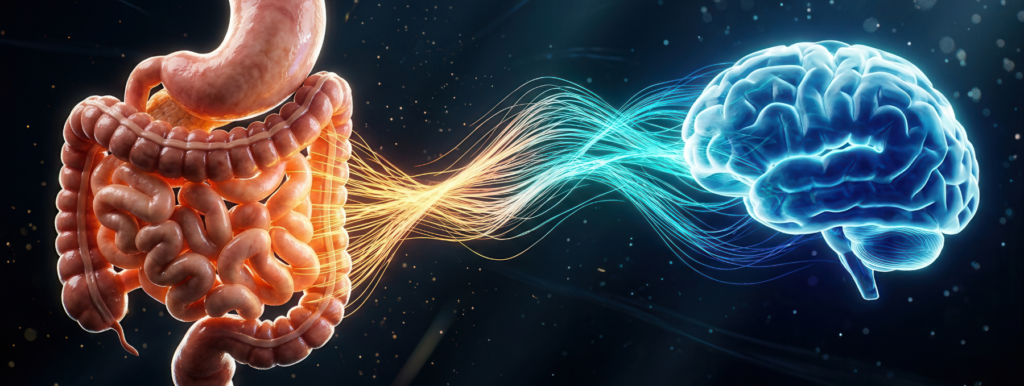
Traditionally, serotonin has been celebrated for its role in mood stabilization and mental health because it helps to regulate emotions. Serotonin also influences sleep patterns, due to the fact that it is a precursor to the sleep hormone melatonin. However, interestingly, about 90% of the body’s serotonin is found in the gastrointestinal tract rather than the brain, indicating that its functions extend far beyond mood alone; it also influences appetite and digestion. Recent studies have shown that serotonin also plays a significant role in immune responses, interacting with the immune system in several ways.
The first way that serotonin affects the immune system is through its pro-inflammatory properties. Namely, serotonin can trigger the inflammatory responses that are beneficial for fighting infections. However, in the context of autoimmune diseases, this overactivity can lead to excessive inflammation and tissue damage, contributing to various symptoms that patients experience. Secondly, almost all immune cells have receptors for serotonin, allowing it to directly influence immune cell function. For instance, serotonin can affect T cells and macrophages, both of which are critical components of the immune system. This interaction means that serotonin can modulate the aggressiveness of the immune response. Finally, cytokines—signaling molecules that regulate immune responses—are also influenced by serotonin, as it can affect their production and release, further impacting inflammation levels and overall immune system activity.
The Feedback Loop: Serotonin and Autoimmune Diseases
The relationship between serotonin and autoimmune diseases is often characterized as a feedback loop: High levels of inflammation can alter serotonin production and function, while changes in serotonin levels can further influence inflammation. This mutual influence complicates our understanding of both serotonin and autoimmune diseases. Via this feedback loop, serotonin can exert a variety of effects on specific autoimmune conditions.
Systemic Lupus Erythematosus (SLE)
Systemic Lupus Erythematosus is a chronic autoimmune disease that affects multiple organs. Research has shown that individuals with SLE often have altered serotonin levels, particularly during flare-ups of the disease. Higher serotonin levels in these patients have been linked to increased disease severity. This suggests that serotonin may play a role in the inflammatory processes that exacerbate SLE.
Rheumatoid Arthritis (RA)
Rheumatoid arthritis is characterized by joint inflammation and pain. Studies indicate that serotonin may influence the progression of RA through its pro-inflammatory effects. Additionally, individuals with RA often experience mood disorders, emphasizing the interconnectedness of serotonin levels, pain perception and emotional well-being.
Multiple Sclerosis (MS)
In the context of Multiple Sclerosis, fluctuating levels of serotonin can impact both mood and physical symptoms. Many individuals with MS experience depression and anxiety, potentially linked to altered serotonin synthesis due to chronic inflammation. The inflammatory processes in MS might, in turn, affect serotonin regulation, creating a challenging cycle.
 Type 1 Diabetes (T1D)
In individuals with Type 1 Diabetes (T1D), the immune system mistakenly attacks and destroys the insulin-producing cells in the pancreas, leading to insufficient insulin and challenges in regulating blood sugar levels. Research indicates a potential connection between serotonin levels and glucose metabolism, suggesting that serotonin might play a role in complications related to T1D. Additionally, factors like stress and emotional well-being can impact both blood sugar and serotonin levels, making it even more challenging to manage this condition effectively.
The Mental Health Connection
Chronic inflammation associated with autoimmune diseases can lead to various mental health issues, including depression and anxiety. The connection between emotional well-being and serotonin is well-documented, and this relationship appears to be particularly pronounced in those with autoimmune conditions. Chronic inflammation can significantly affect neurotransmitter synthesis, including that of serotonin. Elevated levels of inflammatory cytokines can inhibit tryptophan, a precursor for serotonin, resulting in reduced serotonin production. This biochemical shift can lead to mood disturbances, further complicating the mental health landscape for affected people.
Additionally, the stress of living with a chronic disease often leads to increased cortisol levels, which negatively impact serotonin receptors and contribute to feelings of anxiety and depression. This situation creates a vicious cycle in which emotional distress exacerbates inflammatory responses, and low serotonin levels can further increase emotional distress.
Possible Therapeutic Implications
Given the intricate relationship between serotonin and autoimmune diseases, researchers are currently exploring various therapeutic strategies that could target serotonin pathways to improve patient outcomes.
1. Serotonin Modulators
Medications that influence serotonin levels, such as selective serotonin reuptake inhibitors (SSRIs), are traditionally used to treat depression and anxiety. Some studies suggest that SSRIs may also have anti-inflammatory effects, which can potentially benefit autoimmune patients by improving their mood while also reducing inflammation. However, it’s crucial to consult your healthcare provider before making any changes to treatment plans.
2. Dietary Approaches
Diet plays a significant role in serotonin production, particularly when considering foods rich in tryptophan. Foods such as turkey, eggs, cheese and nuts can support serotonin synthesis. Incorporating a balanced diet that promotes gut health can also be beneficial, as a healthy gut microbiome has been linked to improved serotonin levels.
3. Exercise and Lifestyle Changes
Regular physical activity has been shown to boost serotonin levels and improve mood, making it a valuable tool for individuals with autoimmune diseases. Engaging in consistent exercise can reduce inflammation and enhance overall well-being, serving as a natural way to manage both physical and mental health.
4. Mindfulness and Stress Management
Practices such as mindfulness, yoga and meditation can help reduce stress and inflammation. These approaches may indirectly support serotonin levels, improving mood and overall health. By better managing stress, individuals may experience fewer flare-ups of their autoimmune symptoms.
 Future Research Directions
While research exploring the connection between serotonin and autoimmune diseases has made significant strides, several questions remain unanswered. There is a need for future studies that focus on delineating the specific mechanisms of interaction between serotonin and immune responses; understanding these pathways will aid in tailoring therapies for autoimmune disorders.
Additionally, longitudinal studies are necessary to explore the implications of serotonin levels over time in relation to the progression of autoimmune diseases, in order to provide clearer treatment guidelines. Furthermore, developing personalized medicine approaches based on individual serotonin levels and immune responses would be beneficial and potentially lead to more effective treatments for those affected by autoimmune diseases.
The Vital Link Between Serotonin and Autoimmune Diseases
The connection between serotonin and autoimmune diseases highlights an intriguing intersection of neuroscience and immunology. While serotonin is best known for its role in mood regulation, its significant effects on the immune system and inflammation must not be overlooked. Understanding this relationship paves the way for innovative strategies to enhance the quality of life for those affected by autoimmune conditions.