

Serotonin, often dubbed the “feel-good” neurotransmitter, plays a crucial role in mood regulation and emotional well-being. However, its influence extends beyond the realm of psychology; it also significantly impacts the cardiovascular system. Understanding the relationship between serotonin and cardiovascular health is necessary in order to appreciate how important this crucial compound is to overall health.
The Relationship Between Serotonin and Cardiovascular Health
 Serotonin (5-hydroxytryptamine or 5-HT) is a neurotransmitter found primarily in the brain, blood platelets and gastrointestinal tract. About 90% of the body’s serotonin is produced in the gut, while the rest is synthesized in the brain. It is involved in various physiological processes, including mood regulation, digestion and sleep patterns.
Not only is serotonin a vital contributor to mood regulation and emotional well-being; it also has a profound impact on cardiovascular health. This neurotransmitter plays a pivotal role in essential functions such as blood vessel behavior, heart rate regulation and more. By exploring how serotonin affects the cardiovascular system, we can better appreciate its crucial role in sustaining heart health and preventing potential cardiovascular issues. Below are three of the most important ways that serotonin influences cardiovascular health.
Vasoconstriction and Vasodilation
One of the ways in which serotonin impacts cardiovascular health is via its influence on blood vessel regulation. Serotonin is able to initiate vasoconstriction, a state in which the blood vessels narrow, increasing blood pressure and redirecting flow to essential organs during stress responses. This is also known as the “fight or flight” reaction and ensures that oxygen and nutrients are delivered to muscles and vital areas like the heart and brain. Conversely, serotonin can also promote vasodilation, widening blood vessels by binding to specific receptors on smooth muscles, leading to improved blood flow and lower blood pressure. This mechanism aids in better tissue oxygenation, particularly during rest.
The balance between vasoconstriction and vasodilation demonstrates how serotonin regulates cardiovascular functions according to immediate needs. Disruptions, such as low serotonin levels or heightened receptor sensitivity, can lead to cardiovascular issues like hypertension or inadequate blood flow, further emphasizing the importance of maintaining healthy serotonin levels for optimal vascular health.
Heart Rate Regulation
Serotonin is crucial for heart rate regulation and performs this role via the autonomic nervous system, where it influences both the sympathetic and parasympathetic branches. Elevated serotonin levels can increase heart rate during excitement or stress, preparing the body for “fight or flight.” Conversely, low serotonin levels, often linked to mood disorders like depression, can cause bradycardia, a slower heart rate that may hinder physical performance.
In stressful situations, serotonin levels rise, increasing both heart rate and blood pressure to direct blood flow to vital organs. However, chronic stress can lead to persistently high serotonin levels, putting strain on the cardiovascular system and potentially causing issues like hypertension or heart disease. Strategies aimed at reducing stress and promoting serotonin balance, such as regular exercise, mindfulness practices and a healthy diet, can play a vital role in maintaining both a balanced heart rate and overall heart health.
 Serotonin and Platelet Function
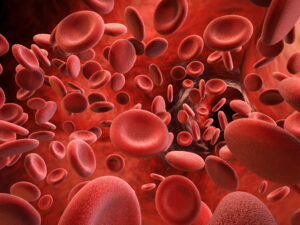
Serotonin also significantly impacts cardiovascular health by influencing the function of blood platelets during clotting. When vascular injury occurs, activated platelets release serotonin, which promotes platelet aggregation and helps form blood clots, a crucial process for preventing excessive bleeding and ensuring effective wound healing.
However, serotonin’s role can become problematic. Excessive clotting in conditions like arterial blockages may lead to thrombus formation, obstructing blood flow and increasing the risk of heart attacks or strokes. While serotonin is essential for normal clotting, its overactivity can contribute to serious cardiovascular complications. Understanding serotonin’s dual role in clot formation is vital for managing cardiovascular diseases. Therapies for conditions like atherosclerosis must consider serotonin’s effects on platelet behavior to develop targeted treatments that regulate serotonin’s influence and reduce thrombotic risks.
The Association Between Serotonin and Cardiovascular Diseases
The association between serotonin and cardiovascular diseases has significant implications for heart health. Low serotonin levels have been linked to various cardiovascular conditions, including hypertension and heart disease. Research indicates that those with lower serotonin levels may experience higher blood pressure, potentially due to reduced vasodilation responses and maladaptive cardiovascular stress responses associated with anxiety. Additionally, chronic low serotonin levels are connected to increased risk factors for heart disease, such as depression, anxiety and stress. This illustrates how serotonin’s role in emotional well-being can act as a crucial mediator for cardiovascular health.
On the other hand, excessive serotonin activity can also pose risks. Conditions like serotonin syndrome, which can be life-threatening, arise from abnormally high serotonin levels, often due to drug interactions or overdose. This syndrome may lead to tachycardia (increased heart rate), hypertension and hyperthermia. This once again underscores the importance of maintaining a delicate balance of serotonin for optimal cardiovascular function.
Serotonin, Mood, and Heart Health
The connection between serotonin, mood and heart health illustrates why it’s important to adopt holistic approaches to overall well-being. Stress and anxiety can lower serotonin levels, which negatively impacts cardiovascular health. Chronic exposure to stress hormones can lead to inflammation, damage to blood vessels and an increased heart rate—an unhealthy combination that places significant strain on the cardiovascular system.
Furthermore, lifestyle choices play a crucial role in influencing serotonin levels and, consequently, heart health. Regular physical activity, for example, has  been shown to boost serotonin production while also enhancing heart function. A balanced diet rich in nutrients can also support neurotransmitter synthesis, contributing to stable serotonin levels. Additionally, engaging in relaxation techniques such as mindfulness, meditation or yoga can help alleviate stress and anxiety, further improving both mood and cardiovascular health. By prioritizing these lifestyle factors, it is possible to promote a healthier balance of serotonin, benefiting both emotional and physical wellness.
Serotonin and Cardiovascular Health: A Critical Connection
Serotonin’s multifaceted role in relation to the cardiovascular system underscores its importance beyond emotional health. Its effects on vasoconstriction and vasodilation, heart rate regulation and platelet function illustrate how this neurotransmitter influences cardiovascular dynamics. Not only does recognizing the connections between serotonin levels, mood and heart health encourage a holistic approach to overall well-being; it also shows how addressing lifestyle factors and maintaining balanced serotonin levels can be instrumental in improving overall cardiovascular health.