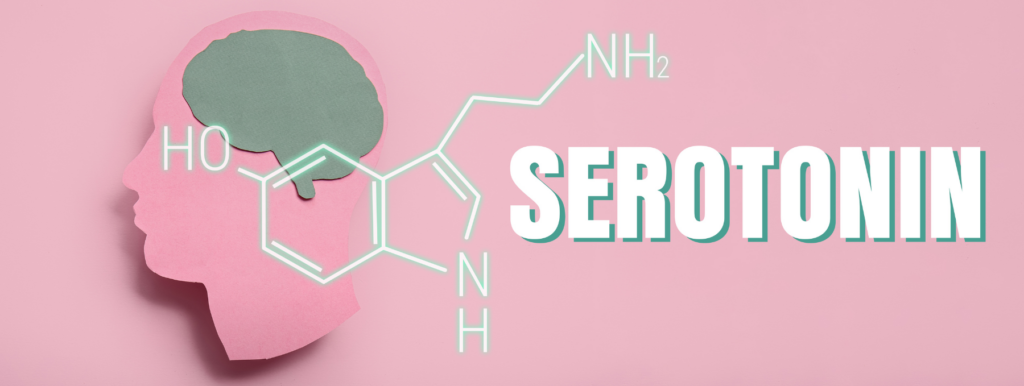

Serotonin, frequently referred to as the “feel-good” neurotransmitter, plays a pivotal role in mood regulation and the body’s stress response. The intricate interplay between serotonin levels and stress can significantly influence our emotional state, affecting everything from anxiety to resilience. Understanding the relationship between serotonin and stress is a crucial step in taking control of mental health and emotional well-being. Read on to learn about the complex ways in which serotonin and stress interact, how this affects mental health and the implications for everyday life.
Understanding Serotonin
Serotonin, also known as 5-hydroxytryptamine or 5-HT, is a crucial neurotransmitter predominantly found in the brain, gastrointestinal tract and blood platelets. Its primary function in the central nervous system is to regulate mood, emotions and behavior, making it a key player in mental health. Beyond its role in mood regulation, serotonin also affects a variety of physiological functions, including digestion, sleep and appetite.
 In the brain, serotonin is synthesized from the amino acid tryptophan, a process that is influenced by several factors. Dietary intake of foods rich in tryptophan, such as turkey, eggs and nuts, contributes to serotonin production. Additionally, exposure to sunlight can elevate serotonin levels; a phenomenon that explains why people often feel better on sunny days. Physical activity has also been shown to enhance serotonin production and release, which is why getting regular exercise is linked to improved mood and emotional well-being.
Balanced serotonin levels are integral to overall well-being, as adequate serotonin is necessary for a stable mood and a positive emotional state. When serotonin levels are low, it is common to experience heightened feelings of sadness, anxiety and irritability, which can significantly impact daily functioning. A deficiency in serotonin is commonly observed in various mood disorders, including depression and anxiety, highlighting its crucial role in mental health. Therefore, ensuring optimal serotonin levels is vital for maintaining emotional stability and preventing mental health challenges.
Stress: Its Physiological Impact and Effects Over Time
Stress – both physical and psychological — is the body’s response to various challenges or demands. There are two primary categories of stress: acute stress and chronic stress. Acute stress involves short-term stress responses that arise from specific events and typically resolve once the situation is addressed. In contrast, chronic stress refers to long-term stress resulting from ongoing circumstances, such as persistent financial worries or a demanding job.
When stress occurs, the body initiates a physiological response by releasing hormones like adrenaline and cortisol – a reaction commonly referred to as the “fight-or-flight” response. This reaction leads to an increased heart rate as blood flow gets redirected to essential organs and muscles in an effort to enhance physical readiness. A state of heightened awareness and alertness also occurs, heightening the ability to confront challenges. This fight-or-flight response served our ancestors well and can be valuable in the face of true danger, however, it comes at a cost: non-essential functions, such as digestion and immune response, may be temporarily compromised.
Prolonged exposure to stress can have serious detrimental effects on both physical and mental health. Chronic stress has been linked to an increased risk of various diseases, including heart disease, diabetes and obesity. In addition, chronic stress contributes to a higher prevalence of mental health disorders, such as anxiety, depression and other mood disorders, underscoring the importance of managing stress effectively.
The Serotonin-Stress Connection
Stress significantly impacts serotonin levels by inducing various biochemical changes. When stress is triggered, it activates the hypothalamic-pituitary-adrenal (HPA) axis, which results in increased cortisol production. Elevated cortisol can inhibit serotonin synthesis in the brain, undermining the process of mood regulation. Additionally, chronic stress can alter the functionality of serotonin receptors, diminishing their sensitivity and effectiveness. Consequently, even with adequate serotonin present, its positive effects on mood may be weakened in the fact of stress.
The relationship between serotonin and stress is bidirectional. Low serotonin levels can hinder a person’s resilience to stress, leaving them more vulnerable to feelings of anxiety and depression when faced with challenging situations. Conversely, prolonged stress may lead to a depletion of serotonin, further contributing to the onset of mood disorders. Genetic predispositions can also play a role in this dynamic; variations in genes related to serotonin metabolism and receptor sensitivity can heighten the risk of mood disorders under stressful conditions. Understanding this intricate interplay is crucial for effective mental health interventions.
 How to Boost Serotonin and Manage Stress
Both managing stress effectively and maintaining balanced serotonin levels are essential for overall mental health. Fortunately, there are various approaches that can be incorporated into the daily routine which serve not only to enhance serotonin production but also as tools to better navigate the challenges of stress. By focusing on lifestyle changes, behavioral practices and mindfulness techniques, and in some cases exploring pharmacological or supplementation solutions, it is possible to foster resilience, improve emotional well-being and cultivate a more positive outlook on life.
Behavioral Approaches
Behavioral approaches play a crucial role in managing stress and enhancing serotonin levels. Adopting specific lifestyle changes and practices significantly impact both serotonin production and stress resilience.
- Dietary Modifications: Consuming foods rich in tryptophan can help. Examples include:
-
- lean meats like chicken and turkey
- fish such as salmon and tuna
- dairy products like yogurt and cheese
- nuts and seeds
- Regular Exercise: Engaging in physical activity can significantly boost serotonin levels and improve mood. Aim for at least 30 minutes of moderate exercise most days of the week.
- Mindfulness and Relaxation Techniques: Practices such as meditation, yoga and deep breathing can reduce stress levels significantly. By promoting relaxation, these techniques can help enhance serotonin function.
- Adequate Sleep: Sleep is essential for overall mental health. Poor sleep can affect serotonin levels and the body’s ability to manage stress. Aim for 7-9 hours of uninterrupted sleep each night.
- Social Connections: Building and maintaining social relationships can also positively impact serotonin levels. Engaging with supportive friends or family can provide emotional stability and help mitigate stress.
- Limiting Alcohol and Drugs: While substances like alcohol can temporarily elevate mood, they ultimately disrupt serotonin production and can exacerbate stress and anxiety in the long run.
- Spending Time in Nature: Nature exposure has been associated with improved mood and increased serotonin levels. Activities like hiking, gardening or simply taking a walk in a park can enhance feelings of well-being.
Pharmacological Approaches/Supplementation
When behavioral approaches alone are insufficient for managing stress and mood disorders, pharmacological interventions or supplementation may be considered. Before starting any medication or dietary supplement, it’s critical to consult with a healthcare professional.
- Selective Serotonin Reuptake Inhibitors (SSRIs): These antidepressant medications work by increasing the availability of serotonin in the brain by inhibiting its reabsorption into neurons. Common SSRIs include fluoxetine, sertraline and escitalopram.
- Serotonin-Norepinephrine Reuptake Inhibitors (SNRIs): These antidepressant drugs also target serotonin but incorporate norepinephrine into their mechanism. Medications such as venlafaxine and duloxetine are frequently used to treat anxiety and depression.
- Tryptophan and 5-HTP: Tryptophan is an essential amino acid that serves as a precursor to serotonin, making it a valuable dietary component for mood regulation. Similarly, 5-hydroxytryptophan (5-HTP) is a direct metabolite of tryptophan and is often used in supplement form to enhance serotonin levels, potentially helping to alleviate depressive symptoms and improving mood.
- Targeting Hormonal Balances: Supplements or medications that help regulate cortisol are also being researched for their potential to mitigate stress effects. Natural herbal alternatives such as adaptogens, including ashwagandha and rhodiola, may help lower cortisol levels and enhance resilience against stressors.
The Future: Research and Exploration
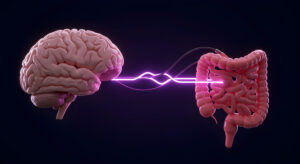
Understanding the relationship between serotonin and stress is a continually evolving process, with researchers continually investigating new frontiers in treatment. One promising area of exploration is the gut-brain connection, which suggests that gut health significantly impacts serotonin levels. The gut microbiome has been found to potentially influence the production of various neurotransmitters, including serotonin.
 Another exciting development is the advent of personalized medicine. Emerging genetic research may facilitate tailored treatment plans based on individual genetic profiles, ensuring that affected individuals receive the most effective interventions for their specific conditions. Additionally, advancements in neuroscience techniques, such as neuroimaging and genetic profiling, are allowing researchers to observe real-time effects of stress on brain chemistry, paving the way for targeted therapies.
Beyond scientific advancements, raising awareness about the interplay between serotonin and stress is crucial for reducing stigma and promoting early intervention. Through continued research and public education, we can pave the way for improved mental health outcomes and enhanced well-being for everyone, including those dealing with mood disorders and stress-related issues.
Navigating the Complex Relationship Between Serotonin and Stress
The intricate relationship between serotonin and stress is a vital area of study within the big picture of mental health. Because serotonin acts as a stabilizing force against the adverse effects of stress, ensuring balanced levels of this neurotransmitter is paramount for emotional well-being. While behavioral approaches such as proper nutrition, exercise and mindfulness practices can play a pivotal role in this, pharmacological treatments and supplementation remain an important option for many individuals facing severe challenges.