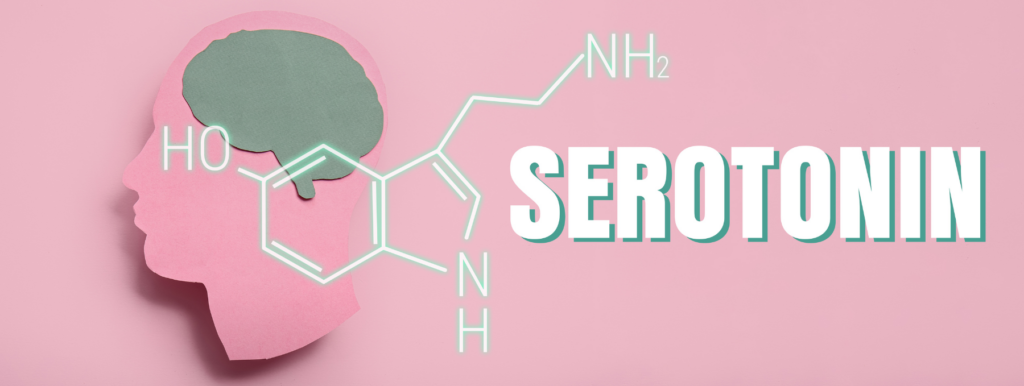
Serotonin often gets a starring role in conversations about mood, mental health and wellbeing. It’s the neurotransmitter that plays a role in depression, anxiety and even appetite or sleep problems. This popularity has spawned myths that can mislead people about what serotonin actually does, the consequences of low serotonin levels and what treatments work. Here, we will separate fact from fiction, busting eight common myths about serotonin and explain what facts science actually supports about serotonin deficit.
Myth 1: Depression is Simply a Serotonin Deficit
 Fact: Depression is complex and not solely caused by low serotonin. The idea that depression is only caused by serotonin deficit is a simplification that stuck partly because many effective antidepressants increase serotonin signaling. But decades of research show depression involves genetic risk, life stressors, inflammation, changes in multiple neurotransmitter systems (not just serotonin), altered neural circuits and social and behavioral factors. Some people with depression respond well to drugs that target serotonin; others benefit more from medications that affect norepinephrine or dopamine, psychotherapy, lifestyle changes or combinations of these. Labeling depression as “just low serotonin” can stigmatize people and obscure the need for a broader, individualized approach.
Myth 2: You Can Accurately Measure Brain Serotonin With a Blood Test
Fact: There’s no simple blood test that tells you your brain’s serotonin level. Most of the body’s serotonin is made in the gut and travels in the blood, so a blood test doesn’t tell you how much serotonin is acting in the brain. Brain serotonin is controlled locally in specific circuits, so levels in one part of the body don’t reflect levels in the brain. Researchers may use special brain scans or spinal fluid tests for studies, but these are not routine clinical tests and give limited, situation-specific information. Clinicians judge possible serotonin problems by symptoms, medical history and how someone responds to treatment—not by a simple blood test.
Myth 3: Low Serotonin Always Causes Identical Symptoms in Everyone
Fact: Symptoms vary widely and overlap with many other conditions. Serotonin plays roles in mood, sleep, appetite, pain perception, cognition and gut function. A serotonin deficit can therefore contribute to many different complaints—but individual presentations differ. One person might have low mood and insomnia; another might experience anxiety, gut problems or heightened pain sensitivity. Many of these symptoms are nonspecific and can stem from thyroid disease, hormonal changes, chronic inflammation, medication effects, sleep disorders, nutritional deficiencies or life stressors. That’s why thorough assessment is crucial.
Myth 4: Increasing Dietary Tryptophan Will Fix Low Serotonin
Fact: Diet helps, but it’s not a simple fix. Tryptophan is an amino acid precursor to serotonin, and severe dietary deficiency can reduce serotonin production. However, in normal diets, tryptophan competes with other amino acids to cross the blood–brain barrier, so simply eating foods high in tryptophan (e.g., turkey or eggs) rarely produces dramatic mood changes. Carbohydrate intake can temporarily increase tryptophan uptake to the brain, which may explain why people crave carbs when feeling down, but this is not a reliable therapeutic strategy. Consuming too much tryptophan is also not a good idea, as it can cause imbalances and even kidney injury. A balanced diet, regular meals, adequate protein and attention to overall nutrition support brain health but are rarely sufficient as a sole treatment for clinically significant serotonin-related disorders.
Myth 5: All Effective Treatments Must Raise Serotonin
Fact: Multiple effective treatments work through diverse mechanisms. Selective serotonin reuptake inhibitors (SSRIs) and serotonin–norepinephrine reuptake inhibitors (SNRIs) can help many people, but they’re not the only evidence-based options. Psychotherapy (especially cognitive behavioral therapy), exercise, sleep normalization, anti-inflammatory strategies and medications targeting other neurotransmitters or hormone systems also work for many patients. Treatment choice should be individualized by symptom profile, medical history, preferences and past treatment responses.
Myth 6: Serotonin Deficiency Explains Cravings for Carbs or “Comfort Eating”
 Fact: The relationship between serotonin and appetite is complex. Serotonin influences appetite and satiety centers, so serotonin imbalances can affect eating behavior. But cravings and comfort eating are influenced by reward pathways, emotional states, habits, social cues and availability of certain foods. Short-term carbohydrate consumption can temporarily shift amino acid ratios and increase brain tryptophan, mildly boosting serotonin synthesis. This may contribute to momentary relief but not a sustained correction of any underlying seroton imbalance.
Myth 7: If You Don’t Respond to SSRIs, Your Serotonin Isn’t Low
Fact: Nonresponse to SSRIs has many possible explanations. Treatment nonresponse can reflect insufficient dosing or duration, different underlying neurobiology, drug interactions, poor adherence, significant psychosocial stressors or undiagnosed medical problems. This doesn’t necessarily mean serotonin has nothing to do with symptoms. Clinicians may switch drug classes, combine therapies or add psychotherapy and lifestyle interventions rather than assuming a straightforward “not a serotonin problem” conclusion.
Myth 8: Increasing Serotonin is Always Safe and Desirable
Fact: Too much serotonin or inappropriate increases can be harmful. Serotonin syndrome is a rare but potentially life-hreatening condition caused by excessive serotonergic activity—often from combining multiple serotonergic drugs or adding certain supplements. Side effects from serotonergic medications (nausea, sexual dysfunction, sleep disturbance) can be substantial for some people. Boosting serotonin should be done under medical supervision when medications or supplements are involved.
What Causes Low Serotonin?
Low serotonin can stem from several common and interacting causes. Genetic differences can make some people naturally produce less serotonin or use it less efficiently by altering the enzymes, transporters or receptors involved in serotonin signaling. Prolonged stress and trauma change brain chemistry and the neural circuits that regulate mood, which over time can reduce serotonergic function. Chronic inflammation—whether from infection, autoimmune disease or long-term physical stress—can shift the body’s tryptophan metabolism away from making serotonin and toward other inflammatory byproducts, leaving less of the raw material for brain serotonin. Certain prescription medications, recreational drugs and withdrawal from substances can interfere with serotonin synthesis, release or receptor sensitivity, sometimes producing lasting changes. Neurological injury and disease, including traumatic brain injury, stroke and some neurodegenerative disorders, can also directly damage the neurons that produce serotonin.
Because much serotonin is made in the gut, serious gut illnesses or big changes to the gut microbiome can change body serotonin levels and, through gut–brain communication, may influence brain function. Finally, very poor nutrition or a severe deficiency in tryptophan—the essential amino acid the body needs to make serotonin—can reduce serotonin production. While typical diets rarely cause this alone, prolonged malnutrition or extreme dietary restriction can contribute. These causes often overlap, so more than one factor may be involved in any individual case of reduced serotonergic signaling.
Common Symptoms of Serotonin Deficit
Symptoms of serotonin deficit can vary widely because serotonin affects so many bodily processes, including mood, sleep, appetite, pain perception, cognition and gut function. The list below covers common signs that clinicians may consider when evaluating possible serotonin deficit, though no single symptom is specific to serotonin and many overlap with other medical or psychiatric conditions.
- persistent low mood, sadness or hopelessness
- increased anxiety or panic attacks
- sleep problems (insomnia or fragmented sleep; sometimes hypersomnia)
- changes in appetite or weight (loss or unusual cravings)
- reduced concentration, slowed thinking or indecisiveness
- reduced interest in social activities or sex (low libido)
- heightened pain sensitivity, chronic headaches or body aches
- gastrointestinal symptoms such as nausea, constipation or irritable bowel–type complaints
How is Serotonin Deficit Diagnosed?
 To assess whether a person has low serotonin, clinicians begin with a detailed clinical assessment—taking a full history of symptoms, their duration and triggers, performing a mental-status exam and reviewing all medications and substance use. They then rule out medical conditions that can mimic or worsen mood symptoms, such as thyroid dysfunction, vitamin B12 deficiency, anemia, infection, hormonal disorders and sleep disorders. When appropriate, clinicians may trial seroton-targeting medications at recommended doses and monitor response and side effects over several weeks.
Nonpharmacologic treatments like psychotherapy, regular exercise and sleep optimization are commonly used as first-line or adjunctive approaches. Care is personalized, often combining medication, therapy, lifestyle changes and treatment of contributing medical issues (for example, inflammation or thyroid disease).
Myths About Serotonin: Practical Takeaways
Serotonin is one factor among many in mental health; there’s no single test for “low serotonin.” A serotonin deficit diagnosis relies on clinical evaluation and treatment response. Care should be personalized—medication, therapy, lifestyle changes and medical treatment as needed. Avoid simplistic fixes like single supplements or diet tricks. If you have persistent low mood, severe anxiety, suicidal thoughts or major functional decline, seek professional evaluation for a tailored treatment plan.