Serotonin (5‑hydroxytryptamine, or 5‑HT) is best known as a neurotransmitter that works in the central nervous system to regulate mood and sleep. But serotonin is also made outside the brain–mainly in the gut—and it acts as a powerful signal throughout the body. Research has increasingly linked serotonin to cancer, discovering that it may influence key processes that cancers rely on, such as how quickly tumors grow, how cells die (apoptosis), whether new blood vessels form (angiogenesis) and how the body’s inflammation and immune system respond. Because of this, serotonin could affect both how cancer starts and how the surrounding tissue environment supports cancer, possibly even influencing the chance that cancer comes back. In this article, we’ll summarize what scientists currently understand about serotonin and cancer, including how serotonin might affect tumor behavior and what that could mean for patients.
Serotonin Signaling: Receptors, Transport and Intracellular Actions
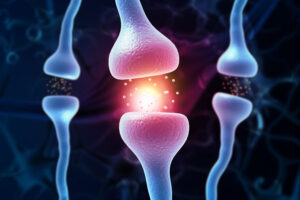 Serotonin signals by binding to receptors on cells. There are at least seven families of serotonin receptors, known as 5‑HT1 through 5‑HT7. Most work through internal cell signaling pathways, and one type, 5‑HT3, works as an ion channel. The amount and types of these receptors vary across tissues and even across different cell types, including cancer cells, blood-vessel cells, connective-tissue cells and immune cells.
In addition to which receptors it binds to, serotonin’s effects depend on how it is handled in the body. Serotonin is produced by enzymes such as TPH1 (mainly in the body) and TPH2 (mainly in the brain). At the same time, the serotonin transporter (SERT) controls how much serotonin is available outside cells at any given time. In some cases, serotonin can also be attached to proteins, which can also change how cells signal and organize their internal structure. Because serotonin acts through multiple routes and receptor types, its impact on cancer can be different depending on the specific context.
Does Serotonin Cause Mutations or Directly Initiate Tumors?
Serotonin usually doesn’t damage DNA in a direct, “mutating” way the way radiation or strong toxic chemicals can. In other words, on its own, it generally doesn’t directly cause the DNA changes (like adducts or base mutations) that lead to mutations. But serotonin can still contribute to cancer in other ways, such as by changing the environment around cells in ways that can make DNA damage more likely to happen, or in certain situations make abnormal cells survive and grow. Below, we will take a closer look.
Inflammation and Oxidative Stress
Serotonin can affect inflammation and oxidative stress, or how tissues handle reactive oxygen. Chronic inflammation is known to increase DNA damage, which can help cancers start. By shaping which immune cells come to a tissue and which inflammatory chemicals, or cytokines, are released, serotonin may indirectly make DNA damage happen more often over time in certain tissues. This can raise the chance that mutations—and eventually cancer—develop.
Cell Proliferation and Survival
When cells divide faster, they have more opportunities to make copying mistakes in their DNA. Those mistakes can sometimes become mutations. Serotonin can, in some situations and through certain receptor types, push specific cells—like lining cells or early “precursor” cells—to grow and divide more. That can increase the chances that cancer-causing mutations will occur and then be kept as the cells continue to divide.
Epithelial Plasticity and Metaplasia
Some lab studies suggest serotonin signaling can make tissues “change their identity” or switch cell programs in ways that can happen before cancer starts. For example, during certain injuries or inflammatory conditions, cells that normally remain as one type can become more flexible and take on traits more typical of other cell types. This kind of change—seen in models like pancreas inflammation and intestinal injury—can help cells with cancer-driving mutations grow as a group, making it easier for a tumor to develop.
Microenvironmental Protection of Damaged Cells
 If serotonin signaling encourages survival mode in cells or weakens the immune system’s ability to spot and eliminate early abnormal cells, then cells with DNA damage may live longer instead of being removed. Over time, those surviving damaged cells can collect more mutations, which can increase the chance that cancer eventually develops.
Therefore, while serotonin does not typically cause DNA mutations on its own, in some situations, it can help create conditions that make cancer more likely to start. For example, by increasing inflammation, encouraging cell growth and helping damaged cells survive. The size and direction of these effects depend on which organ is involved and which serotonin receptors are active.
Serotonin and Tumor Progression, Recurrence and Metastasis
A large body of evidence links serotonin signaling to tumor growth, how tumors spread and to whether cancer comes back after treatment. In lab studies, some cancer cells (including breast, prostate, liver and colon) have serotonin receptors; when serotonin is present, they may grow faster and resist death. Blocking certain receptors or reducing serotonin production can slow growth in some preclinical models.
Serotonin also affects the cells around a tumor—like immune cells, connective tissue cells and the blood-vessel lining—which can change how easily the tumor invades and metastasizes. Finally, serotonin receptors are present on macrophages, dendritic cells, T cells and NK cells. Serotonin can influence the immune system’s ability to attack cancer by affecting how these immune cells behave, which can alter whether small amounts of remaining cancer are eliminated or allowed to grow again.
At the same time, human studies don’t show a single consistent pattern. Some studies find higher serotonin levels or certain serotonin receptors associated with worse outcomes, while others find no effect or even a protective role—likely because different tumors express different receptors and because serotonin’s effects depend on the specific tissue and local biology.
Receptor and Tissue Specificity: A Double‑Edged Sword
Serotonin’s effects on cancer can seem confusing because they depend heavily on what kinds of serotonin receptors are present in the tumor and in the surrounding cells. Different receptors can send different instructions inside cells. For example, some receptors in the 5‑HT1 and 5‑HT2 families may encourage tumor cells to grow and may help tumors build new blood vessels. Other receptors behave differently: 5‑HT3 is an ion channel, and 5‑HT4 through 5‑HT7 can affect processes like how cells release signals, how they move or how immune cells act—sometimes promoting growth, and other times slowing it down.
Also, the serotonin transporter (SERT) changes how much serotonin is available around cells. If a tumor or its supporting tissue has a lot of SERT, it can lower or reshape serotonin signaling in the immediate area. Because the final outcome depends on a mix of receptor types and cell interactions within the tumor environment, any approach to target serotonin has to be tailored to the specific cancer.
Clinical Evidence and Therapeutics
In certain cancers, serotonin is clearly important. For example, in neuroendocrine (carcinoid) tumors, serotonin plays a major role in both the symptoms and the biology of the disease, and higher serotonin levels in the blood can help with diagnosis and contribute to carcinoid syndrome. When it comes to antidepressants like SSRIs, human studies are less clear. Studies that look at whether people taking SSRIs have a higher cancer risk or different outcomes after treatment have produced mixed and sometimes contradictory results. Some studies don’t find a clear increase in cancer risk, while others suggest effects for particular cancer types. It’s hard to interpret these results because people who take antidepressants differ in many ways that can influence cancer risk and outcomes, and because there aren’t many high-quality randomized studies.
 Researchers have also explored treatments that target the serotonin system itself. In lab experiments, scientists have tried blocking serotonin receptors, reducing serotonin production or changing serotonin transporter activity. In some animal and cell models, blocking certain serotonin receptors can slow tumor growth or metastasis, but in other models it doesn’t work or may even make things worse. Moving these ideas into proven cancer treatments is still in progress, and beyond neuroendocrine tumors, serotonin-targeted therapies aren’t widely established yet.
Research Gaps and Practical Takeaways
In regard to serotonin and cancer, we still need clearer, cancer-specific answers because serotonin acts through many different receptors in different tissues. Thus, simply stating “serotonin causes cancer” oversimplifies the matter. Better clinical studies are also needed to determine whether serotonin-related drugs like antidepressants meaningfully affect cancer risk, treatment response or recurrence, since current observational results are mixed.
For researchers and clinicians, measuring which serotonin receptors a tumor has and how serotonin is processed locally could help identify where serotonin-targeted approaches might help. Overall, serotonin isn’t a universal DNA-damaging cause of cancer, but it can shape the tumor environment, through inflammation, growth, blood vessels, platelets and immune effects, in a context-dependent way.