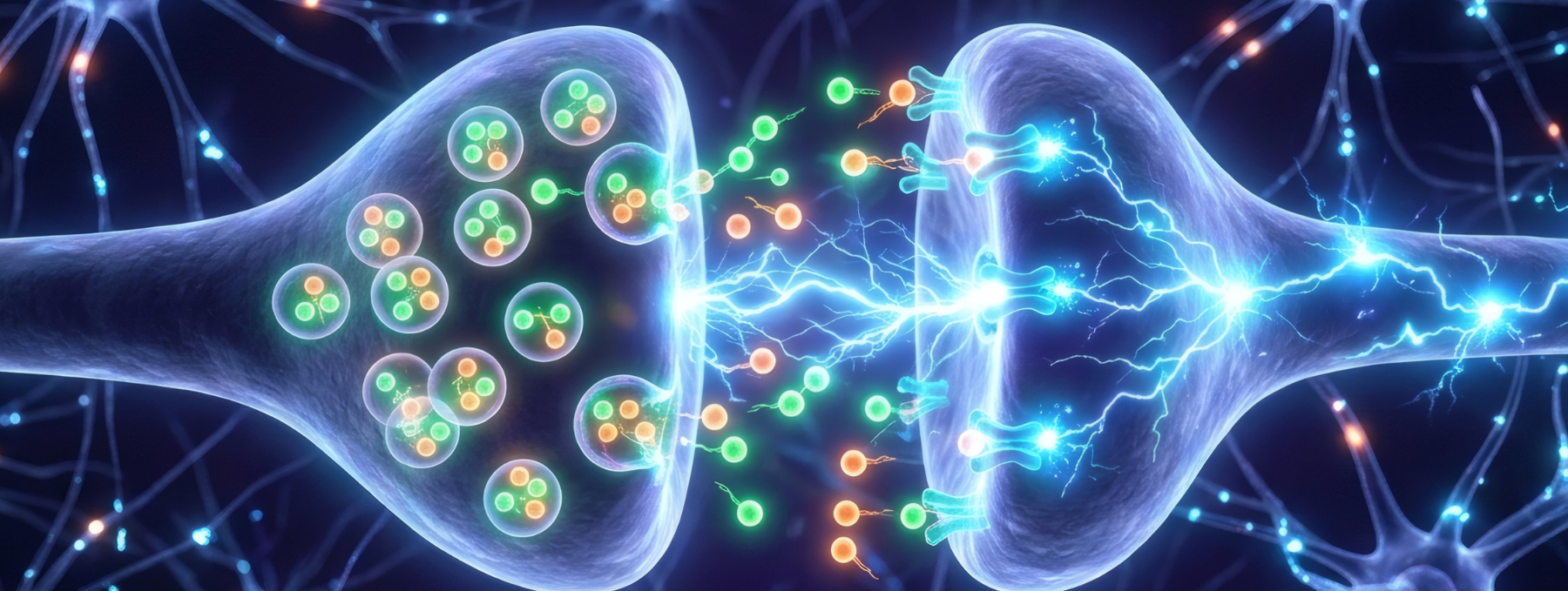
Neurotransmitters are chemical messengers that help the brain and body communicate. Among the most discussed neurotransmitters are serotonin, dopamine and norepinephrine, also known as noradrenaline. These chemical messengers are often grouped together because they all influence mood, attention, sleep and motivation—but they do not all do the same job. Understanding the difference between serotonin vs. norepinephrine vs. dopamine can make it easier to interpret how certain medications work, why various symptoms can overlap and why attributing certain conditions to one-size-fits-all explanations–such as a serotonin deficiency–rarely captures the full picture.
The Big Picture
When it comes to serotonin vs. norepinephrine vs. dopamine, you can think of the three systems as overlapping channels, each with its own specialties.
 Serotonin
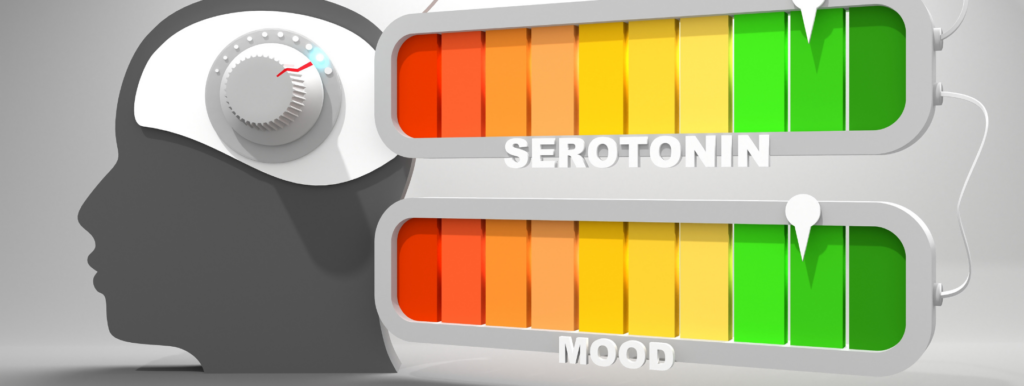
Serotonin is often associated with stability and regulation because it helps to manage mood, anxiety, appetite, sleep-wake timing and even pain processing. Serotonin is not simply about feeling good; it also supports calm, consistency and behavioral inhibition because it helps to keep impulses in check.
Dopamine
Dopamine is strongly tied to learning, reward, motivation and goal-directed behavior. It helps the brain decide what’s worth pursuing and how strongly to pay attention to certain cues. Dopamine is also involved in movement and in how we focus and adapt based on changing information.
Norepinephrine
Norepinephrine is a mobilization neurotransmitter closely linked to alertness and the body’s readiness to act. It supports attention, vigilance and stress-related arousal. When you need to concentrate, get moving or respond quickly, norepinephrine often plays a central role.
The roles of these neurotransmitters overlap because the brain is a network, not a set of separate compartments. Still, maintaining a balance between them is useful because serotonin tends to be more about emotional regulation, dopamine about incentive and motivation and norepinephrine about arousal and attention, all of which are important to overall well-being.
Where Neurotransmitters Act: Brain Circuits and Systems
Serotonin, dopamine and norepinephrine each operate through multiple pathways, but they tend to show up in different brain circuits. Serotonin pathways connect with regions involved in mood and anxiety regulation, such as the prefrontal cortex and limbic structures, however they also link to sleep systems. Although serotonin-producing neurons are relatively few, they send signals broadly across the brain, helping to shape many functions at once—almost like a broadcast signal.
Dopamine pathways are more concentrated in specific circuits–including those that connect to the basal ganglia of the brain and are important for movement–as well as fronto-striatal pathways, which support motivation, habit learning and decision-making. Dopamine is less about the actual feeling of pleasure and more about reinforcement learning, helping the brain update what actions to take next.
Norepinephrine pathways begin in brainstem regions and influence the cortex of the brain, where they help determine how sensitive or “tuned” the brain is to incoming information—especially during stress or when fast reactions matter. Norepinephrine also interacts with the autonomic nervous system, affecting functions like heart rate, alertness and energy.
Serotonin: From Mood to Sleep, Appetite and Pain
Serotonin is frequently discussed in relation to mood and anxiety, and there’s a reason for that: Serotonin signaling helps regulate how reactive someone feels, how quickly distress escalates and how stable emotional experiences are over time.
Serotonin also plays a role in:
- Sleep regulation: Serotonin participates in the sleep-wake cycle and is involved in producing melatonin indirectly through the body’s chemistry.
- Appetite and gut function: Serotonin is active in the gastrointestinal tract as well, contributing to how the body senses and responds to food.
- Pain perception: Serotonin can modulate pain sensitivity and the processing of painful signals.
- Impulse control and behavioral regulation: Higher serotonin activity is often associated with greater inhibitory control and less impulsive responding.
In everyday language, people often reduce the effect of serotonin to “happiness.” The more accurate view is that serotonin supports emotional stability, calming and behavioral regulation—functions that can affect everything from anxiety levels to sleep quality.
Dopamine: Motivation, Reward, and Learning
Dopamine is widely known for governing reward and pleasure, but its core function is broader: Dopamine helps the brain learn from experience. It signals how outcomes compare to expectations, driving learning.
Dopamine influences:
- Motivation and desire: Dopamine helps determine what goals you feel compelled to pursue.
- Reinforcement learning: Dopamine supports habit formation and learning what actions lead to useful results.
- Attention and salience: Dopamine can shape which stimuli feel important enough to focus on.
- Movement control: Dopamine in the nigrostriatal pathway is crucial for normal movement. That’s why dopamine dysfunction is central to Parkinson’s disease.
When dopamine is dysregulated, symptoms can include changes in motivation, reward sensitivity, focus and movement. Because dopamine is tied to learning and prediction, it also contributes to how quickly people shift strategies when circumstances change.
 Norepinephrine: Alertness, Attention, and Stress Readiness
Norepinephrine is strongly linked to arousal and readiness. Rather than reward, norepinephrine is often about mobilizing the system—increasing vigilance and helping the brain prioritize and process information.
It influences:
- Attention and focus: Norepinephrine helps with maintaining mental effort and filtering distractions.
- Stress response: Norepinephrine is involved in the body’s fight-or-flight chemistry and prepares the system to act.
- Energy and alertness: Norepinephrine can change perceived drive, restlessness and readiness.
In conditions involving chronic stress, attention difficulties or dysregulated arousal, norepinephrine pathways often become part of the conversation—even when symptoms feel emotional on the surface.
Why Symptoms Overlap—And Why Single Neurotransmitters Can’t Be Blamed
The average person often experiences multiple symptoms at once: low mood, poor sleep, reduced motivation, trouble concentrating, anxiety, irritability and the like. That overlap serves to illustrate how the brain’s networks are intertwined as opposed to only one neurotransmitter system being at fault.
For example, poor sleep can worsen mood (serotonin and norepinephrine systems are involved), reduce attention (norepinephrine and cortical circuits) and dampen motivation (dopamine signaling). Chronic stress can heighten arousal (norepinephrine), disrupt emotional regulation (serotonin) and change reward learning and motivation (dopamine). Depression or anxiety can involve more than serotonin and often include dopamine-related motivational changes and norepinephrine-related arousal or cognitive effects. For this reason, clinicians diagnose based on symptom patterns, duration, severity and functional impairment as opposed to on a single neurotransmitter measurement.
How Medications Target Neurotransmitter Systems
A major reason serotonin, dopamine and norepinephrine come up together is that many medications act on one or more of these important neurotransmitters.
Serotonin-Focused Medications
Selective serotonin reuptake inhibitors (SSRIs) and serotonin-norepinephrine reuptake inhibitors (SNRIs) are widely used medications. SSRIs primarily increase serotonin signaling while SNRIs increase both serotonin and norepinephrine signaling.
Dopamine-Focused Treatments
Some medications affect dopamine, either directly or indirectly. Dopamine’s role in movement is especially prominent in treatments for Parkinson’s disease. In mood disorders, dopamine is often involved in motivation and reward processes, but medication strategies vary widely.
Norepinephrine-Focused Medications
Some medications target norepinephrine reuptake or enhance norepinephrine signaling, which can affect attention, arousal and sometimes mood. Drugs used for attention and certain mood conditions may involve norepinephrine pathways.
It’s important to note that medication effects are not always immediate. Even when a medication changes neurotransmitter signaling quickly, symptom improvement often takes weeks because the brain needs to adapt, recalibrating receptors, circuits and learning processes.
Serotonin vs. Norepinephrine vs. Dopamine: Key Differences Summarized
Here’s a concise way to remember the typical associations of serotonin vs. norepinephrine vs. dopamine:
- Serotonin: associated with mood stability, anxiety regulation, sleep, appetite, impulse control and pain modulation.
- Dopamine: involved in reward learning, motivation, goal-directed behavior, attention/salience and movement control.
- Norepinephrine: governs alertness, focus, vigilance, stress readiness and arousal regulation.
Because these neurotransmitters interact, real-life symptoms often reflect combined changes across systems rather than the result of one neurotransmitter acting alone. To make the distinctions more concrete, it helps to think about how different systems might show up in everyday experience—not as a diagnosis, but as a rough intuition.
 Patterns that lean more toward serotonin-related signaling might include emotional reactivity that feels hard to regulate, persistent anxiety or worry, sleep disturbances and irritability that goes along with emotional instability. Patterns that lean more toward dopamine might include low drive or a sense that “nothing feels worth it,” reduced motivation and difficulty getting started, changes in reward sensitivity, such as feeling less engaged by activities that are usually enjoyable and in medical contexts, movement-related symptoms specifically tied to dopamine. Patterns that lean more toward norepinephrine might include difficulty concentrating due to restlessness or distractibility, feeling “wired,” on edge or chronically activated and stress-related effects that reduce attention and mental stamina. It is important to note that these are tendencies rather than rules, and the brain is too complex for neat one-to-one mapping.
Serotonin, Dopamine and Norepinephrine: Overlapping Roles, Different Strengths
Serotonin, dopamine and norepinephrine are three major neurotransmitters that influence overlapping parts of human experience, but each has distinctive strengths. Serotonin tends to support emotional regulation, calm, behavioral inhibition and sleep-related processes. Dopamine tends to support motivation, reward learning and movement control. Norepinephrine tends to support alertness, attention and stress readiness.
When symptoms overlap, it’s usually because multiple systems and circuits are involved. That’s why treatment often combines strategies—like sleep and stress management, psychotherapy and medication when appropriate—to address the whole network rather than one single “chemical” in isolation.