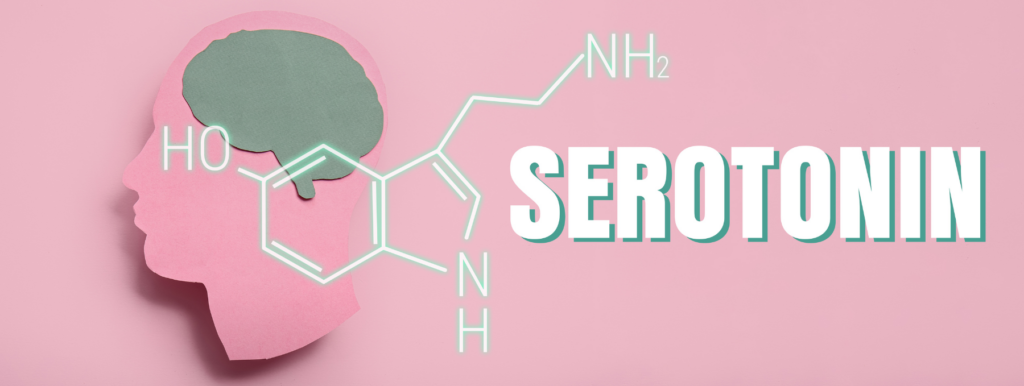

Antidepressants can be effective treatments for depression and anxiety, but some of these medications come with an unwelcome side effect: sexual dysfunction. People who take certain antidepressants may experience reduced sexual desire, difficulty becoming aroused, decreased genital sensitivity or trouble reaching orgasm. These changes can affect relationships, self-esteem and overall quality of life, sometimes leading people to consider stopping treatment. Fortunately, not all antidepressants affect sexual function in the same way. Some medications are less likely to cause sexual side effects, and alternatives may be available for people who experience problems with their current prescription. Understanding how serotonin influences sexual response can help explain why these side effects occur and why certain antidepressants may be less likely to cause them.
Why Do Some Antidepressants Cause Sexual Dysfunction?
 Sexual function involves a complex interaction among the brain, nervous system, hormones, blood flow and psychological factors. Neurotransmitters, the chemical messengers that allow nerve cells to communicate, play an important role in sexual desire, arousal and orgasm. Serotonin and dopamine are particularly relevant neurotransmitters because they influence mood, motivation, reward and sexual response.
Selective serotonin reuptake inhibitors (SSRIs) are among the most commonly prescribed antidepressants. These medications increase serotonin signaling by slowing its reabsorption into nerve cells. This action can help relieve depression and anxiety, but it can also interfere with parts of the sexual response. Some people taking SSRIs notice reduced libido, less physical arousal or difficulty reaching orgasm.
Sexual side effects of SSRIs can affect both women and men, although the specific symptoms vary. Men may experience erectile difficulties or delayed ejaculation, while women may notice reduced desire, decreased lubrication or difficulty achieving orgasm. Either may experience reduced genital sensation or less satisfaction during sexual activity. Not everyone experiences these effects, and their severity can vary with the medication, dose and individual.
How Does Serotonin Affect Sexual Function?
Serotonin helps regulate mood, sleep, appetite and other bodily functions. Its influence on sexual response is complicated because different serotonin receptors can be responsible for different effects. In some pathways, serotonin signaling can inhibit sexual desire or delay orgasm. Increasing serotonin activity through medication may therefore reduce certain aspects of sexual response, even when it improves mood.
Dopamine, another neurotransmitter, plays a different but interconnected role. It helps regulate motivation, reward and the anticipation of pleasurable experiences, including sexual activity. Norepinephrine also contributes to arousal and other aspects of the body’s response. Sex hormones, including estrogen and testosterone, further influence desire and physical function.
These chemicals work together rather than independently. Sexual dysfunction cannot be explained by a simple imbalance of one neurotransmitter, and increasing serotonin does not automatically cause sexual problems. The effects depend on several interacting systems, the medication being used and the person’s individual biology.
Which Antidepressants Are Most Likely to Cause Sexual Side Effects?
SSRIs, including sertraline, fluoxetine, escitalopram and paroxetine, are commonly associated with sexual dysfunction. Serotonin-norepinephrine reuptake inhibitors (SNRIs), such as venlafaxine and duloxetine, can also cause these problems. The likelihood of sexual side effects differs among medications. Paroxetine is particularly associated with sexual difficulties, but any antidepressant can affect sexual function in some people. Higher doses may increase the risk for certain medications, although side effects can occur at lower doses, too.
It’s also important to recognize that depression and anxiety themselves can reduce sexual interest and satisfaction. For some people, treating these conditions improves their sex lives. For others, medication-related side effects create new difficulties despite improvements in mood. A healthcare professional can help assess which factors may be contributing.
Antidepressants That Don’t Cause Sexual Dysfunction: Are There Options?
Although no antidepressant can be guaranteed to be without sexual side effects, several options are generally associated with a lower risk. For people concerned about libido, arousal or orgasm, discussing these alternatives with a healthcare professional may be worthwhile.
Bupropion
 Bupropion is one of the best-known options for people seeking an antidepressant with fewer sexual side effects. Unlike SSRIs, bupropion primarily affects dopamine and norepinephrine rather than directly increasing serotonin signaling. It is generally less likely to cause sexual dysfunction, and it may help some people whose sexual side effects are related to an SSRI. However, it is not appropriate for everyone, including some people with seizure disorders or certain eating disorders.
Mirtazapine
Mirtazapine is another antidepressant generally associated with a lower rate of sexual side effects than many SSRIs. It affects several neurotransmitter receptors rather than working like a typical SSRI. However, it can cause sleepiness and increased appetite or weight gain, which may be important considerations when choosing treatment.
Vortioxetine
Vortioxetine works through serotonin-related mechanisms but has a different pharmacological profile from conventional SSRIs. Some research suggests it may have a lower impact on sexual function for certain people, particularly those who switch from another antidepressant because of sexual side effects. Nevertheless, sexual dysfunction can still occur.
The most suitable choice depends on the symptoms being treated, medical history, other medications and potential side effects. A medication that has a lower risk of sexual dysfunction may have other disadvantages, so the goal is to find a treatment that balances effectiveness, tolerability and personal priorities.
What If Sexual Dysfunction Develops While Taking an Antidepressant?
People who experience sexual side effects while taking an antidepressant do not necessarily need to accept them as permanent or discontinue treatment. A healthcare professional may consider several approaches, depending on the medication and symptoms. One option is adjusting the dose when clinically appropriate. A lower dose may reduce side effects for some people, although it must still adequately treat the underlying condition. Another option is switching to an antidepressant with a lower likelihood of sexual dysfunction. In some cases, a prescriber may consider adding another medication to address the problem.
It is important not to stop an antidepressant or change its dose without medical guidance. Abrupt discontinuation can cause withdrawal symptoms, and depression or anxiety may return. Sexual side effects should be discussed openly with a healthcare professional, even if the subject feels uncomfortable. They are recognized medication effects, not a personal failing.
Can Sexual Dysfunction Continue After Stopping an Antidepressant?
For many people, sexual function improves after a medication is reduced or discontinued under medical supervision. However, persistent sexual symptoms after stopping certain antidepressants have also been reported, including reduced genital sensation, diminished desire and difficulty reaching orgasm. This condition is sometimes called post-SSRI sexual dysfunction.
The frequency of persistent symptoms and the reasons they occur remain uncertain. The possibility is recognized in medical and regulatory discussions, but scientists do not yet have reliable estimates of how often it happens or why some people are affected. Anyone experiencing persistent symptoms should seek medical evaluation rather than assume the antidepressant is necessarily the only cause.
Finding an Antidepressant That Supports Overall Well-Being
 Choosing an antidepressant involves more than finding a medication that improves mood. Sexual health is an important part of overall well-being, and concerns about sexual dysfunction deserve to be taken seriously. People who are beginning treatment can ask about sexual side effects before choosing a medication, while those already taking antidepressants can discuss any changes they have noticed.
Although antidepressants that don’t cause sexual dysfunction do not exist as a guaranteed category, options such as bupropion and mirtazapine generally carry a lower risk than many SSRIs. Vortioxetine may also be worth discussing in certain situations. With individualized care, many people can find a treatment that helps manage depression or anxiety while minimizing unwanted effects on sexual function.