
Headaches are among the most common neurological complaints worldwide and can range from brief tension-type headaches to debilitating migraines. One recurring question is whether low serotonin — a neurotransmitter best known for mood regulation — causes headaches. Serotonin plays a significant role in many headache disorders, particularly migraine, but “low serotonin” by itself is not a simple, universal cause. Here we will explore the question, “does low serotonin cause headaches,’ and delve into the science behind serotonin and headaches, which evidence supports a connection, clinical implications and what it all means for the future of headache treatment.
How Serotonin Influences Pain
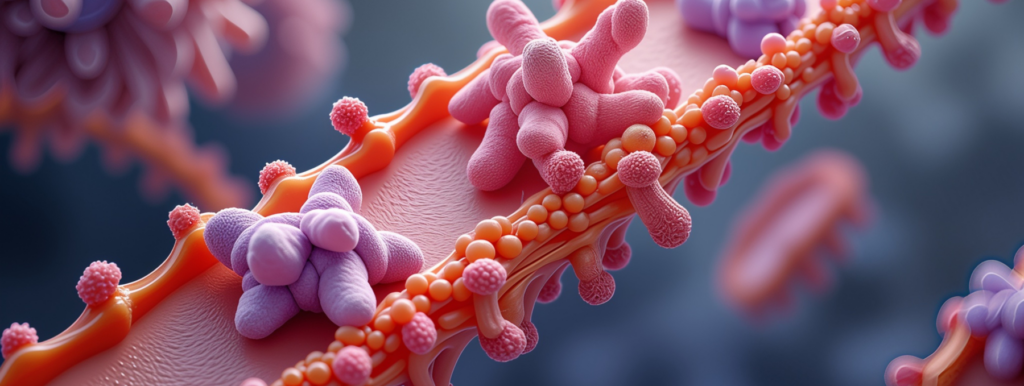
 Serotonin (5-hydroxytryptamine, or 5-HT) is a neurotransmitter produced mostly in the gut but also in neurons inside the brainstem. It influences mood, sleep, appetite and many autonomic functions. Critically for headaches, serotonin also affects pain modulation, blood vessel tone and sensory processing in the brain. These functions occur through multiple serotonin receptor subtypes–for example the 5-HT1 and 5-HT2 families–each of which can have different, and sometimes opposite, effects on neurons and blood vessels.
Serotonin plays a complex role in pain. In some central pathways, it can inhibit pain signals and support descending pain control, but in other contexts it may actually facilitate pain, depending on the conditions and specific receptor subtypes. It also influences cerebral blood vessels and the trigeminal nerve pathways involved in headache generation. Because of these multiple actions, disturbances in serotonin signaling — whether it be lower overall serotonin availability, altered receptor sensitivity or dysfunctional serotonin release patterns — can disrupt the finely balanced systems that normally prevent pathological pain processing.
Evidence Linking Serotonin to Migraine
Migraine is the headache type most strongly linked to serotonin. Several lines of evidence support this link. First, the pharmacology is compelling: Triptans—the main medicines used to stop moderate-to-severe migraine attacks—work by activating the specific serotonin receptors 5-HT1B and 5-HT1D. This shows that turning on certain serotonin pathways can help stop migraine attacks. Also, some preventive migraine treatments, including certain antidepressants, also reduce migraine frequency by altering serotonin signaling.
Second, biochemical research suggests that serotonin-related changes occur around attacks. Researchers often measure serotonin by looking at serotonin byproducts (metabolites) in the body or serotonin in platelets and find levels can differ during a migraine—sometimes dropping between attacks and then shifting again during the attack. That said, results vary because studies use different methods and samples.
Third, research on how the brain works show that serotonin isn’t just present in the blood—it also affects pain circuits in the nervous system. In particular, serotonin neurons in the brainstem interact with the trigeminal system, a key migraine pain pathway. They also influence how excitable the brain’s outer layer (cortex) becomes, which affects how pain signals are processed. In addition, serotonin helps regulate autonomic symptoms such as nausea and other body responses. Disruption in these networks can contribute to both the initiation of a migraine attack and to migraine symptoms.
Finally, migraine patterns also suggest a role for serotonin. Migraine frequency often changes with hormonal cycles, especially around menstruation. It can also fluctuate with other factors that can alter serotonin production or receptor function, such as stress, sleep change or certain foods, suggesting that serotonin shapes how susceptible the brain is to initiating attacks.
Overall, the evidence suggests that abnormal serotonin signaling contributes to both migraine susceptibility and the mechanisms that drive attacks. However, it’s not as simple as “low serotonin causes migraine.” Instead, serotonin activity appears to change in complex ways and sometimes in unexpected directions, which helps explain migraine’s variability.
What About Tension-Type Headache and Cluster Headache?
Tension-type headache (TTH), the most common type of primary headache, shows a weaker and less consistent link to serotonin. Some studies report lower serotonin or serotonin metabolite levels in people with TTH, and some antidepressants that affect serotonin are able to reduce TTH frequency and intensity. This suggests serotonin-related modulation of muscle tension, central pain processing or descending inhibition might contribute to headache relief in some patients. Still, TTH is multifactorial and is affected by things like stress, muscle factors and central sensitization: Serotonin is only one possible element.
 Cluster headache and related headaches that involve the trigeminal nerve and autonomic symptoms appears to have a different biological signature than migraine. Serotonin-based medicines don’t work well for stopping cluster attacks right away: Most acute treatment relies on oxygen and triptans. However, some preventive medicines may still influence serotonin-related pathways indirectly. Overall, for non-migraine headaches, the evidence points more strongly to problems in the hypothalamus and the autonomic nervous system (the body’s automatic control systems) than to a primary serotonin shortage.
Why Blaming “Low Serotonin” Is An Oversimplification
Saying headaches are caused by “low serotonin” oversimplifies what’s really going on and misses important nuances. Serotonin signaling involves multiple receptor types, and activating or increasing serotonin can help in one situation while worsening symptoms in another. Also, serotonin levels measured in the blood or platelets don’t necessarily reflect what’s happening with serotonin inside the brain, since the body and brain regulate the two pools of serotonin differently.
What’s more, headache disorders are influenced by many factors at once—genetics, brain excitability, neuropeptides such as CGRP, hormones, sleep, stress and environmental triggers—all of which interact with serotonin pathways. Timing matters too. Some research suggests serotonin-related levels change around the time of an attack, so short-term shifts in serotonin may be involved rather than a constant, chronic deficiency. Overall, serotonin dysfunction is an important theme in headache biology, but it’s best understood as part of a wider network of changes rather than the single cause.
Clinical Implications: Diagnostics and Treatments
Clinically, serotonin may be involved in headache biology, but it isn’t something clinicians can usually test for directly. As a result, diagnosis and treatment focus on identifying the headache type and tailoring therapy to the individual rather than trying to confirm “low serotonin” as the cause.
Diagnosis
There is currently no routine clinical test that can diagnose “low serotonin” as the cause of headaches. Measuring serotonin or its metabolites in the bloodstream is usually not helpful for day-to-day clinical decisions and doesn’t reliably reflect serotonin activity in the brain. Instead, headache diagnosis is made clinically based on patient history, headache type (such as migraine vs tension-type vs cluster), how often the headaches occur, whether there are any red-flag symptoms and how the headaches respond to treatment.
Acute Treatments
For acute migraine treatment, triptans—selective 5-HT1B/1D agonists—are effective for many attacks, and their success suggests that serotonergic modulation is an important part of how these medicines work. Other acute migraine therapies, including NSAIDs, antiemetics, gepants and ditans target different pathways, reflecting migraine’s multifaceted nature.
Preventive Treatments
For prevention, some antidepressants that affect serotonin and noradrenaline—such as amitriptyline and venlafaxine—are used to reduce migraine and tension-type headache frequency. Their benefits likely come from broader effects on the brain’s pain-modulating systems, not just from increasing serotonin. Other preventive treatments, including CGRP monoclonal antibodies, beta-blockers, antiepileptics and lifestyle interventions, work through different (non-serotonergic) pathways and still help many patients.
Safety Considerations
 Safety is an important consideration when using serotonergic medications together. Combining drugs that increase serotonin can theoretically raise the risk of serotonin syndrome, particularly when multiple serotonergic agents are used at higher doses. Because of this, clinicians carefully consider drug interactions when prescribing combinations; for example, certain antidepressants together with some migraine medications. It’s also not recommended to self-medicate to increase serotonin, for example taking supplements or combining medications without medical guidance. Treatment choices should be made with a clinician.
Does Low Serotonin Cause Headaches? Beyond “Low Serotonin”
In practice, serotonin matters in several headache disorders—especially migraine. However, the relationship is complex. Headaches are unlikely to result from a simple, long-term lack of serotonin alone. Many effective treatments target serotonin pathways, but numerous therapies work through other systems as well, and there’s no clinical test that can confirm “low serotonin” as the cause of someone’s headaches. Diagnosis is therefore based on headache history and type, and treatment should be tailored to the person. If headaches are frequent, severe or changing, it’s important to seek medical evaluation so you can get an accurate diagnosis and a treatment plan that fits you. When answering the question, “does low serotonin cause headaches?” it is important to remember that overall, the goal is to understand your specific headache pattern, not just a single biological explanation.