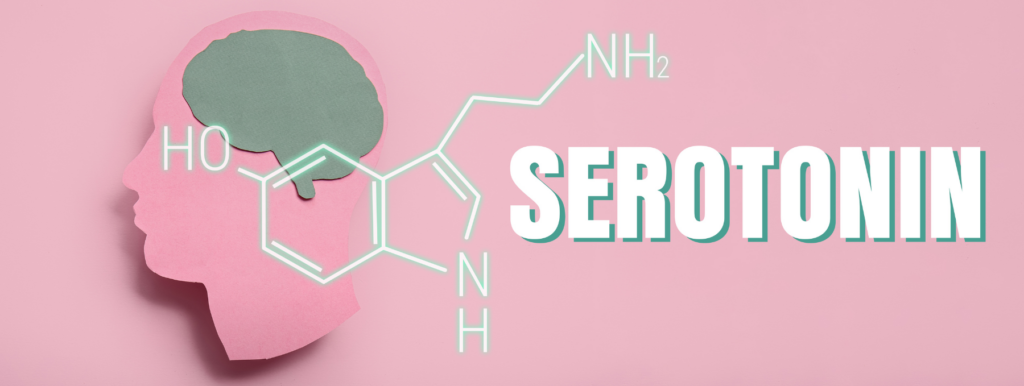

Anxiety disorders are among the most common mental health conditions, impacting millions of people globally. Although it is a complex issue with a myriad of causes and contributing factors, one of the most significant biological components is serotonin, a neurotransmitter that plays a crucial role in mood regulation. Here, we will explore the complex relationship between serotonin and anxiety.
Understanding Serotonin: The Feel-Good Neurotransmitter
Serotonin, or 5-hydroxytryptamine (5-HT), is most well-known for its role in regulating mood and emotional well-being. Found in the brain, intestines and blood platelets, not only is it involved in mood stabilization but also in sleep, appetite and digestion. Despite its association with the brain and mood, the majority of the body’s serotonin is produced in the gastrointestinal tract, where it influences gut health. In fact, only around 7% of serotonin is synthesized in the brain.
Serotonin is often referred to as the “feel-good” neurotransmitter due to its influence on mood and overall emotional state. Serotonin helps to stabilize mood, promoting feelings of happiness and well-being. Low levels of serotonin have been linked to increased feelings of anxiety, depression and other mood disorders. In contrast, higher levels are typically associated with improved mental health.
Anxiety Disorders: An Overview
 Anxiety is not a single condition but a collective term for a variety of disorders, including generalized anxiety disorder (GAD), panic disorder, social anxiety disorder and specific phobias. Each type of anxiety disorder presents unique symptoms, but they generally share common traits, such as excessive worry, heightened emotional sensitivity and, in some cases, physical symptoms like increased heart rate and sweating.
Anxiety disorders are influenced by several factors, including genetics, environment and biology. Neurotransmitters such as serotonin, norepinephrine and GABA play a significant role in modulating anxiety responses. When neurotransmitter levels – particularly serotonin — are out of balance, it can lead to a heightened anxiety response.
The Serotonin-Anxiety Connection
The relationship between serotonin and anxiety is complex and deeply rooted in the serotonergic system, which includes serotonin receptors such as 5-HT1A and 5-HT2A. Variations in this system can significantly impact anxiety responses. Research indicates that those with anxiety disorders often have altered availability of serotonin receptors, which contributes to increased anxiety and emotional instability.
Selective serotonin reuptake inhibitors (SSRIs) are frequently prescribed to treat anxiety and depression because by blocking the reuptake of serotonin in the brain, these medications increase its availability, thereby stabilizing mood. While SSRIs like fluoxetine (Prozac®) and sertraline (Zoloft®) can be effective, it may take several weeks for their benefits to manifest, and individual responses can vary due to side effects.
Research indicates that people with anxiety disorders often have abnormal levels of serotonin metabolites in their cerebrospinal fluid. This suggests that their serotonin function may not be working properly. Additionally, genetic factors can contribute to anxiety. For instance, variations in a specific gene known as 5-HTTLPR can influence how serotonin is transported and reabsorbed in the brain. These genetic differences can make individuals more susceptible to developing anxiety disorders. In short, both changes in serotonin levels and certain genetic traits may increase the likelihood of experiencing anxiety.
Factors That Influence Serotonin Levels
There are a number of lifestyle factors that can influence serotonin levels in the body. These factors can affect how serotonin is produced, released and utilized, ultimately impacting mood and emotional well-being. Understanding these influences can be crucial for managing anxiety and enhancing mental health.
Diet and Nutrition
Diet plays a critical role in the synthesis of serotonin. The amino acid tryptophan, found in various foods, is a precursor for serotonin production. Foods rich in tryptophan include poultry like turkey and chicken, seafood such as salmon and other fish, nuts and seeds, dairy products like milk and cheese, oats and fruits. Incorporating these foods into your diet can help support serotonin production. Additionally, nutrients such as omega-3 fatty acids, folate and vitamins B6 and B12 also contribute to serotonin synthesis.
Physical Activity
Exercise is a powerful modulator of serotonin levels, and physical activity can significantly impact mood and anxiety levels. Exercise stimulates the release of both endorphins and serotonin, which leads to enhanced emotional well-being. Research shows that even moderate exercise, such as walking or cycling, can effectively alleviate anxiety symptoms.
Several physiological changes that occur during exercise contribute to increased serotonin levels. One key mechanism is the enhanced availability of tryptophan, which is essential for serotonin synthesis. As you exercise, your body demands more energy, which promotes the transport of tryptophan into the brain, where it serves as a vital precursor for serotonin production. Exercise also triggers the release of endorphins, which interact with serotonin pathways to further enhance mood and reduce anxiety.
Sleep Patterns
 Quality sleep is essential for mental health and crucial for serotonin production, as much of the brain’s serotonin is synthesized during restful nights. The relationship between sleep and serotonin is closely linked to the circadian rhythm: the body’s internal clock which regulates the sleep-wake cycle. Disruptions to this rhythm—due to irregular sleep schedules or excessive screen time—can lower serotonin levels and exacerbate anxiety.
Both the timing and quality of sleep are vital for serotonin synthesis. A restful night supports the brain’s serotonergic system, promoting optimal serotonin processing. Conversely, sleep disturbances like insomnia can deplete serotonin, leading to increased anxiety and creating a cycle where anxiety further disrupts sleep. Prioritizing consistent, high-quality sleep is essential for maintaining healthy serotonin levels and overall mental well-being.
Sunlight Exposure
Sunlight exposure significantly affects serotonin levels and overall mood, especially in areas with long winters where conditions like Seasonal Affective Disorder (SAD) prevail. Sunlight stimulates the production of vitamin D, which is essential for health, as vitamin D deficiency is linked to lower serotonin levels and increased mood disorder risk.
In addition to facilitating vitamin D synthesis, sunlight directly boosts serotonin release in the brain. On sunny days, the body produces more serotonin, enhancing well-being and happiness. Regular sunlight exposure can mitigate anxiety and depression, particularly for those susceptible to SAD. Thus, prioritizing sunlight exposure is beneficial for physical health and essential for supporting mental well-being.
Social Connections
The quality of social relationships significantly influences serotonin levels and anxiety management. Positive social interactions enhance mood, reduce loneliness and buffer against stress. Engaging with friends and family or participating in community activities provides emotional support that promotes serotonin release, fostering the feelings of belonging and acceptance that are essential for mental health. Additionally, friends and family encourage healthy behaviors, such as exercising and maintaining nutritious diets, further benefiting mental health and serotonin regulation. In short, nurturing social connections is vital for emotional well-being and anxiety reduction.
Environmental Factors
The environment around us significantly affects serotonin levels and mental health. Positive spaces can enhance mood and reduce anxiety, while negative or stressful environments can have the opposite effect. Access to nature is particularly beneficial, as spending time in parks, gardens or natural areas can improve mood, reduce anxiety and promote physical activity. Nature exposure boosts serotonin production and fosters feelings of peace and relaxation.
In contrast, urban living often exposes individuals to higher stress levels due to factors like noise, pollution and crowded spaces, which can deplete serotonin and contribute to anxiety. For those in urban settings, taking intentional breaks can be essential for mental health. Fostering a sense of community is also vital for emotional well-being. Community events, local clubs and volunteer opportunities can enhance social connections and provide respite from urban stressors. It is evident that nurturing supportive environments is essential for promoting mental health and effective serotonin regulation.
Treatment Implications for Managing Anxiety
Understanding the relationship between serotonin and anxiety informs more effective treatment strategies. Pharmacotherapy, particularly with selective serotonin reuptake inhibitors (SSRIs), remains a cornerstone of anxiety management. These medications enhance serotonin’s effects in the brain  to alleviate symptoms, though results and side effects can vary among individuals.
Cognitive-behavioral therapy (CBT) is another vital approach that focuses on altering negative thought patterns and behaviors associated with anxiety. By addressing cognitive distortions, CBT fosters self-awareness and coping strategies that can improve emotional regulation and stabilize serotonin levels.
Lifestyle modifications are also essential in managing anxiety. Regular physical activity, a balanced diet rich in serotonin precursors, good sleep hygiene and social engagement significantly influence serotonin production and emotional well-being. Supplementing with tryptophan or 5-HTP—both of which are precursors to serotonin—can also be beneficial for some individuals, potentially supporting serotonin synthesis and enhancing mood.
Additionally, integrative approaches, such as mindfulness and meditation, enhance emotional regulation and are linked to increased serotonin levels. Mind-body exercises like yoga and Tai Chi promote physical activity while incorporating breath control, further supporting emotional balance. Together, these strategies create a comprehensive approach to effectively managing anxiety.
Understanding the Serotonin-Anxiety Connection
The relationship between serotonin levels and anxiety is complex, influenced by biological, psychological and environmental factors. While serotonin is crucial for mood regulation, its effects are intertwined with genetics, lifestyle choices and social support. Recognizing this interplay can enable people to take proactive steps to manage anxiety and enhance their well-being.