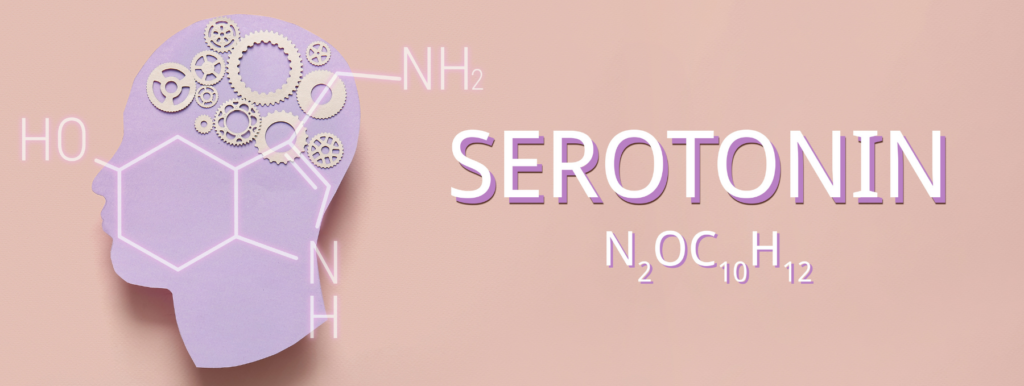

Sleep is essential for overall well-being, as sleep quality and quantity influences everything from cognitive function to emotional stability. Many factors contribute to sleep quality, including stress levels, lifestyle choices and even diet. Among the various components in our diet, tryptophan has gained attention for its potential role in promoting better sleep. Here, we will take a look at the relationship between tryptophan and serotonin and how, by influencing serotonin levels, a tryptophan-rich diet can lead to a better night’s sleep.
What is Tryptophan?
Tryptophan is an essential amino acid that our bodies cannot produce on their own, making it vital that we obtain it from food sources. This amino acid plays a critical role in various physiological processes, especially in the synthesis of proteins and the production of important substances like serotonin and melatonin. Tryptophan can be found in a variety of foods — animal products such as turkey, chicken, cheese and eggs are rich sources. Additionally, plant-based foods, including nuts, seeds—especially pumpkin seeds—legumes and bananas, also contribute significantly to tryptophan intake. Whole grains like oats and brown rice are further examples of good sources of tryptophan. Eating a balanced diet that incorporates these foods can help ensure that we meet our dietary needs for tryptophan.
The Relationship Between Tryptophan, Serotonin and Sleep
The relationship between tryptophan, serotonin and sleep is a fascinating one. Tryptophan is converted into serotonin in the brain through a series of biochemical reactions that occur primarily in special brain cells called serotonergic neurons. Initially, tryptophan goes through a process where the enzyme tryptophan hydroxylase helps change it into another substance called 5-hydroxytryptophan (5-HTP). This 5-HTP is then converted into serotonin by an enzyme called aromatic L-amino acid decarboxylase. Serotonin performs various functions in the body, including regulating mood, emotional stability, appetite and sleep.
 Serotonin also acts as a precursor to melatonin, a hormone secreted by the pineal gland in response to darkness, signaling to the body that it’s time to sleep. The conversion of serotonin to melatonin is facilitated by the presence of tryptophan, establishing tryptophan’s crucial role in this vital biochemical pathway. Morning exposure to light significantly influences serotonin production, helping regulate the circadian rhythm—the body’s internal clock that governs sleep-wake cycles. Adequate natural light during the day can also notably enhance serotonin levels. As evening approaches, the darkness then prompts the body to convert serotonin into melatonin, promoting sleepiness.
Interestingly, the effectiveness of tryptophan in promoting sleep can be enhanced by carbohydrate intake. Carbohydrates stimulate the body to release insulin, which facilitates the transportation of other amino acids into muscle tissue while allowing tryptophan easier access to the brain. This synergistic effect amplifies the availability of tryptophan for serotonin production, ultimately contributing to enhanced sleep quality.
How a Tryptophan-Rich Diet Supports Good Sleep
A tryptophan-rich diet offers several benefits and can significantly enhance sleep quality. Research has shown that increasing tryptophan intake can help reduce sleep latency, which is the time it takes to fall asleep. This is particularly beneficial for individuals who often find themselves lying awake at night, struggling to drift off. Additionally, a diet high in tryptophan may contribute to longer sleep duration, allowing for more restorative rest throughout the night. This is essential for overall health, as adequate sleep helps rejuvenate the body and mind.
Furthermore, tryptophan has been linked to improvements in sleep architecture, a term which refers to the structure and pattern of sleep cycles. One of the most important aspects of sleep architecture is REM (Rapid Eye Movement) sleep, during which dreaming occurs and which is crucial for cognitive processing and emotional regulation. Increased amounts of REM sleep can lead to better memory consolidation, enhanced learning and improved mood, making tryptophan not only vital for sleep but also for maintaining emotional well-being. Overall, incorporating tryptophan-rich foods into your diet constitutes a holistic approach to improving sleep quality and supporting overall health.
Foods Rich in Tryptophan
To experience the benefits of tryptophan, consider including the following foods in your diet:
- Turkey and Chicken: These are well-known sources of tryptophan. Incorporating these meats into your diet regularly may significantly enhance your levels of this amino acid.
 Dairy Products: Milk, cheese and yogurt not only provide tryptophan but also contain calcium, which helps the brain use tryptophan to manufacture melatonin.
- Nuts and Seeds: Pumpkin seeds and walnuts are great plant-based sources that can easily be added to salads or snacks.
- Legumes: Beans, lentils and chickpeas are not only good sources of tryptophan but also provide fiber and protein, making them a hearty addition to any meal.
- Whole Grains: Oats, quinoa and brown rice are rich in carbohydrates that can aid the transport of tryptophan to the brain. These versatile foods can serve as excellent base ingredients for various dishes.
- Bananas: This convenient fruit is a great snack that contains moderate amounts of tryptophan along with natural sugars and potassium, which can aid in muscle relaxation.
- Fish: Salmon and tuna are not just rich in omega-3 fatty acids but also high in tryptophan, offering dual benefits for both brain and heart health.
Lifestyle Factors that Influence Sleep Quality
While a tryptophan-rich diet can significantly support sleep quality, it’s essential to consider additional lifestyle factors.
Sleep Hygiene
Maintaining good sleep hygiene is essential for optimizing rest and overall health. One key practice is establishing a regular sleep schedule. Going to bed and waking up at the same time each day helps regulate your body’s internal clock, making it easier to fall asleep and wake up refreshed. Creating a comfortable sleep environment is equally important. Your bedroom should be conducive to sleep, meaning it should be dark, cool and quiet to promote better rest.
Additionally, developing a pre-sleep routine can signal to your body that it’s time to wind down. Engaging in calming activities, such as reading or practicing mindfulness, can help relax your mind and prepare you for a good night’s sleep. Together, these practices can significantly enhance the quality of your rest.
Stress Management
High stress and anxiety levels can significantly interfere with sleep quality, leading to difficulties in falling asleep and staying asleep throughout the night. To combat this, it’s beneficial to incorporate mindfulness techniques or physical activities, such as yoga or walking, into your daily routine. These practices can help ease tension in both the body and mind, fostering a sense of relaxation that prepares you for restful sleep. Additionally, finding time for deep-breathing exercises or meditation can further enhance your ability to manage stress, ultimately creating a more peaceful nighttime environment conducive to sleep.
 Limiting Stimulants
Caffeine and nicotine are well-known stimulants that can disrupt normal sleep patterns and make it difficult to fall asleep. Aim to limit their intake, especially in the hours leading up to bedtime, as even small amounts can interfere with your ability to relax. Similarly, consuming alcohol in moderation is advisable, as excessive intake can impair sleep quality by affecting REM sleep and causing nighttime awakenings. Being mindful of these substances and their effects on your body can lead to better sleep outcomes, improving your overall health and well-being.
Physical Activity
Regular physical activity is crucial for promoting good sleep quality and overall health. Aim for at least 150 minutes of moderate aerobic activity each week, such as brisk walking, swimming or cycling, to reap the benefits associated with enhanced sleep. It is essential to avoid intense workouts right before bedtime, as they can raise adrenaline levels, making it harder to wind down. Incorporating a variety of exercise routines into your week not only helps improve fitness but also provides a natural way to reduce stress and promote relaxation, further aiding in your efforts to achieve restful sleep.
Increasing Tryptophan for Better Sleep
Incorporating a tryptophan-rich diet can be an effective strategy for enhancing sleep quality. By focusing on foods high in this essential amino acid, you can support your body’s natural ability to produce serotonin and melatonin, thus promoting restful sleep. Additionally, by combining dietary changes with good sleep hygiene practices and stress management techniques, you can create a holistic approach to better sleep.