Although it is most widely known for its role as a neurotransmitter that helps to regulate mood, serotonin has been the subject of extensive research due to its influence on a number of different physiological processes. Among these, a significant yet often overlooked area is its role in inflammation. Read on to learn more about the intricate relationship between serotonin and inflammation, including the mechanisms behind this connection and its implications for preventing and managing a variety of common health concerns and diseases.
Understanding Serotonin
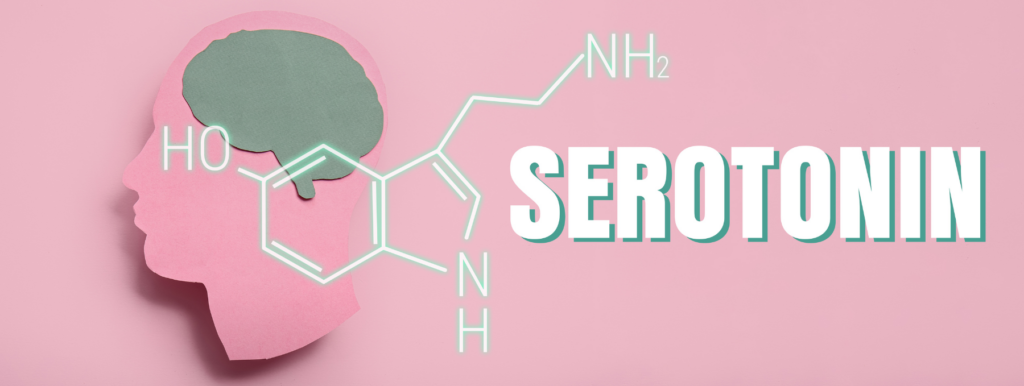
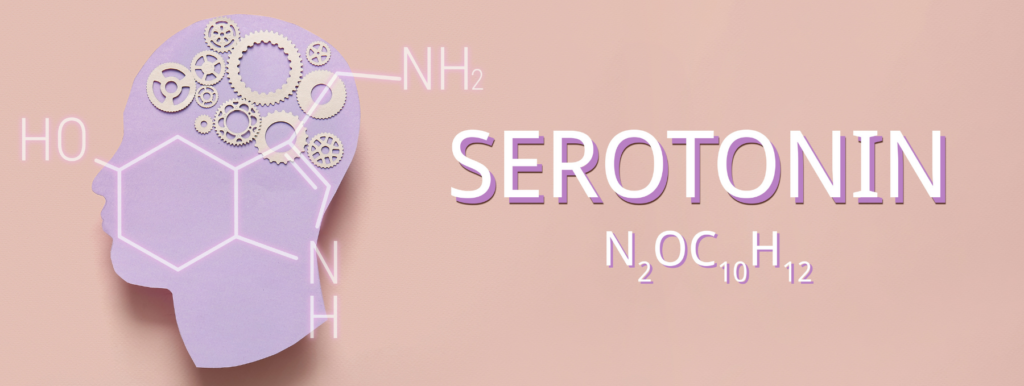
Serotonin, scientifically known as 5-hydroxytryptamine (5-HT), is synthesized primarily in the brain, gut and blood platelets, with the highest concentrations present in the digestive tract. While often dubbed the “happiness hormone,” serotonin’s functions extend beyond helping to balance mood; it also affects sleep, appetite, digestion and, notably, immune responses.
Serotonin is synthesized from the amino acid tryptophan through a series of enzymatic reactions that occur predominantly in the gastrointestinal tract.  Once produced, serotonin acts on specific receptors, which are classified into seven families (5-HT1 to 5-HT7), each of which triggers specific physiological effects.
In the central nervous system (CNS), serotonin regulates mood, anxiety, sleep and other emotional responses. However, approximately 90% of the body’s serotonin is generated in the gut, where it influences gastrointestinal motility, secretion and even local immune responses. This duality underscores the importance of serotonin in both psychiatric and physical health.
Inflammation: A Double-Edged Sword
Inflammation is the body’s natural protective response to injury, infection or harmful stimuli. It can be classified into two categories: acute and chronic. Acute inflammation is a short-term process, characterized by redness, swelling and heat, while chronic inflammation persists over a longer duration and is linked to various diseases.
While inflammation is essential for healing and defense, chronic inflammation can contribute to numerous health issues, including autoimmune diseases, metabolic disorders, cardiovascular diseases and even mental health conditions. Understanding the mechanisms and triggers of chronic inflammation is crucial in order to protect against certain health conditions as well as to develop effective therapeutic strategies.
The Relationship Between Serotonin and Inflammation
Serotonin plays a diverse role in regulating inflammation, with its numerous functions arising from interactions with various receptors located on different types of cells. Among these, the 5-HT1 receptors are associated primarily with anti-inflammatory actions. When activated, these receptors can inhibit the release of pro-inflammatory cytokines, thereby helping to mitigate inflammation. In contrast, the 5-HT2 receptors are linked to the promotion of inflammatory processes; their activation tends to enhance the inflammatory response. This duality highlights the complexity of serotonin’s role in inflammation by demonstrating that its effects can either support anti-inflammatory processes or contribute to inflammation, depending on the specific receptor engaged.
Furthermore, serotonin is crucial for regulating the body’s immune responses by influencing certain immune cells, such as macrophages and T-cells. For example, serotonin enhances macrophage activation, which significantly affects cytokine production and the overall inflammatory response. It also plays a vital role in modulating the balance between pro-inflammatory cytokines like TNF-alpha and IL-6 and anti-inflammatory cytokines such as IL-10. Maintaining this balance is essential, as it can either exacerbate or resolve inflammation based on the specific context.
In addition to its influence on immune cells, serotonin regulates vascular functions relating to vascular permeability and blood flow. This regulation is pivotal for determining how efficiently inflammatory cells can migrate to sites of injury or infection. Lastly, serotonin interacts with other neurotransmitters and signaling pathways, including the endocannabinoid system, further demonstrating the complexity of the relationship between serotonin and inflammation regulation.
Serotonin and Inflammation: The Impact on Chronic Diseases
The interplay between serotonin and inflammation has significant implications for various chronic diseases, including those that follow.
Mental Health Disorders
Research shows that inflammation is often elevated in individuals with depression and anxiety. The relationship is bidirectional, as high levels of inflammatory markers can also alter serotonin metabolism and receptor function, potentially worsening mood disorders. This underscores the potential for serotonin-targeted therapies in treating not just mood disorders but also associated inflammatory conditions.
Autoimmune Diseases
Conditions like rheumatoid arthritis and inflammatory bowel disease (IBD) are characterized by chronic inflammation. Studies suggest that serotonin levels may be dysregulated in these conditions. By targeting serotonin pathways, researchers may be able to develop novel therapeutic strategies that could alleviate inflammation in autoimmune diseases.
 Metabolic Disorders
Chronic inflammation plays a crucial role in metabolic disorders, including obesity and type 2 diabetes. In these cases, inflammation can impair insulin action, leading to insulin resistance. Not only does serotonin regulate appetite; it also modulates glucose metabolism. Abnormal serotonin signaling can contribute to obesity and metabolic syndrome, creating another avenue for targeted treatment.
The Gut Microbiome and Serotonin Production
The gut microbiome plays a crucial role in serotonin synthesis, as certain gut bacteria produce metabolites, such as short-chain fatty acids, that enhance the availability of tryptophan, the amino acid precursor to serotonin. A balanced microbiome is essential for maintaining optimal serotonin levels; however, dysbiosis—an imbalance in gut bacteria—can lead to reduced serotonin production. This relationship illustrates how the microbiome influences serotonin synthesis.
Moreover, specific gut bacteria can communicate with the enteric nervous system, which is responsible for the gut’s functions, influencing the release of serotonin. This communication highlights the significant impact of the gut microbiome on mood regulation and its potential role in modulating inflammatory processes.
Dysbiosis is also associated with increased intestinal permeability, often referred to as “leaky gut.” This condition allows inflammatory mediators to enter the bloodstream, leading to systemic inflammation linked to various health conditions, including autoimmune diseases and metabolic disorders. Furthermore, reduced serotonin levels due to dysbiosis may exacerbate inflammation, creating a cyclical relationship that perpetuates health issues.
To combat these challenges, adjusting the gut microbiome through dietary interventions like prebiotics and probiotics presents a promising strategy for influencing serotonin levels and reducing inflammation. Incorporating fermented foods, maintaining a high-fiber diet or using specific probiotics can help restore balance to the gut microbiome and improve both mood and inflammatory responses. This emphasizes the potential for leveraging gut health as a means to enhance overall well-being and mitigate inflammation-related health issues.
The Bidirectional Communication Between the Gut and Brain
The gut-brain axis exemplifies the bidirectional communication between the gut and the brain, where each system influences the other. Stress has been shown to significantly alter the composition of gut microbiota, resulting in reduced serotonin production and heightened inflammation. Chronic stress can exacerbate inflammatory responses within the gut, potentially contributing to conditions such as irritable bowel syndrome (IBS) and other gastrointestinal disorders.
Conversely, the emotional state of the brain can impact gut motility and permeability, further influencing the gut microbiome. For example, feelings of anxiety and depression have been associated with changes in digestion and nutrient absorption, which not only affect overall health but also impair the gut’s capacity to produce serotonin. This intricate interplay underscores the importance of understanding both the gut and brain functions in managing health and emotional well-being.
Clinical Implications and Future Research Directions
Understanding the gut-brain axis enhances our comprehension of the connections between serotonin, inflammation and overall health, leading to valuable clinical implications and future research directions. A growing field of research is focused on targeting the microbiome, exploring how specific probiotics may enhance serotonin production and alleviate inflammation. Findings from these studies could pave the way for the development of targeted probiotic supplements designed to optimize gut health, potentially reducing chronic inflammation.
 Additionally, investigating how dietary patterns influence both the gut microbiome and serotonin levels could yield actionable strategies for preventing and managing chronic diseases associated with inflammation. This emphasizes the importance of nutrition in overall health and highlights the potential for dietary interventions as therapeutic measures.
Moreover, integrating psychological therapies with gut-targeted approaches—such as dietary changes and the use of probiotics—offers a promising avenue for creating comprehensive treatment plans. This integrative health approach could be particularly effective for individuals dealing with conditions like depression, anxiety and autoimmune diseases, allowing for a more holistic strategy to improve both mental and physical well-being.
Serotonin and Inflammation: A Multifaceted Relationship
The relationship between serotonin and inflammation is complex and multifaceted, and influences a wide range of health aspects, from mental well-being to metabolic function. Gaining insights into how serotonin regulates immune responses—especially through the gut-brain axis—opens up new possibilities for therapeutic interventions. By focusing on both serotonin levels and inflammation via dietary adjustments, lifestyle changes and microbiome strategies, we can begin to tackle the underlying factors that contribute to chronic health conditions. This holistic approach holds promise for enhancing overall health and improving the quality of life for those affected by inflammation-related disorders.