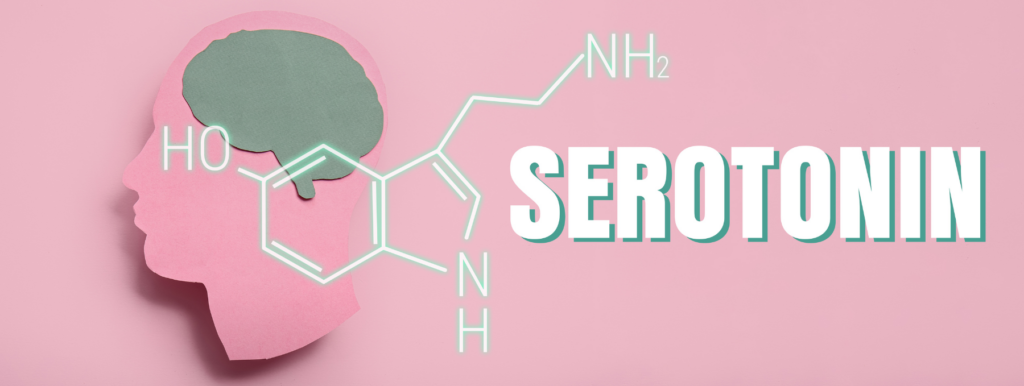

Serotonin, one of the key neurotransmitters in the human body, plays a vital role in a myriad of physiological and psychological functions. Dubbed the “happiness hormone,” serotonin is perhaps best-known for its influence on mood regulation, but its impact goes far beyond that. Here, we will delve into the mechanisms of serotonin, the numerous roles it plays in the body, the consequences of serotonin deficiency and potential strategies to effectively support healthy serotonin levels.
Serotonin: More Than Just a Happiness Hormone
 Scientifically known as 5-hydroxytryptamine (5-HT), serotonin is a neurotransmitter predominantly found in the brain, gastrointestinal tract and blood platelets. Synthesized from the amino acid tryptophan, serotonin plays a critical role in transmitting messages between nerve cells. While it is concentrated primarily in the central nervous system (CNS) and gastrointestinal (GI) tract, serotonin significantly influences various functions throughout the body including mood, digestion, sleep and memory.
In the brain, most serotonin is produced in the raphe nuclei, a group of nuclei situated in the brainstem. Once released, serotonin acts on various receptors throughout the brain, including the prefrontal cortex, amygdala and hippocampus. This broad distribution underlies the neurotransmitter’s wide-ranging effects on mood stability, emotional regulation and anxiety, all of which can contribute to overall well-being.
The Key Functions of Serotonin
Serotonin serves numerous functions in the body, each of which contributes to overall health. Beyond its well-known role in mood regulation, serotonin is essential for promoting a sense of calm and emotional stability. It also plays a vital part in regulating processes such as appetite control, sleep patterns and even cognitive functions like learning and memory. By facilitating communication between nerve cells and influencing a variety of bodily systems, serotonin acts as a crucial player in maintaining both mental and physical well-being. Below are some of the areas in which serotonin plays an important role.
Mood Regulation
Serotonin is often linked to feelings of happiness and well-being. Low serotonin levels can lead to mood disorders, such as depression and anxiety. Antidepressant medications, particularly selective serotonin reuptake inhibitors (SSRIs), are designed to increase serotonin levels in the brain, which can help alleviate symptoms of depression.
Sleep Patterns
Serotonin is crucial for regulating sleep. It is involved in the production of melatonin, the hormone responsible for maintaining sleep-wake cycles. Increased serotonin levels can promote restful sleep, while low levels may lead to insomnia or disrupted sleep patterns.
Appetite Control
Serotonin plays an important role in appetite regulation. It can induce feelings of satiety and fullness, helping one to manage food intake. Notably, serotonin levels can be influenced by diet and eating behaviors, with some studies suggesting that lower levels of serotonin may be linked to increased cravings for carbohydrates.
Digestive Health
Interestingly, around 90% of the body’s serotonin is found in the gastrointestinal tract, where it regulates gut motility. Serotonin helps manage bowel movements and is involved in the contraction of the intestines. Any disruption in serotonin levels can result in conditions like irritable bowel syndrome (IBS) and constipation.
Cognitive Functions
Serotonin influences cognitive functions, including memory, learning and decision-making. A balanced serotonin level is essential for optimal cognitive performance, as it impacts both thinking and emotional responses.
The Consequences of Serotonin Deficiency
When serotonin levels fall below an optimal range, it can have widespread effects on both mental and physical health. One of the conditions most commonly associated with low serotonin levels is depression. Those suffering from depression often exhibit imbalances in serotonin, which can lead to a persistently low mood, apathy and a loss of interest in daily activities. Moreover, low serotonin levels can contribute to various anxiety disorders, including generalized anxiety disorder (GAD), panic disorder and social anxiety disorder. Those affected by serotonin deficiency may experience excessive worry, fear or panic. Additionally, serotonin deficiency can lead to mood swings characteristic of bipolar disorder, resulting in extreme emotions and behaviors.
 The impact of serotonin deficiency also extends to physical health. For instance, there is a notable link between low serotonin and sleep disorders. People with insufficient serotonin often find it challenging to fall asleep or maintain a restful sleep state, which can result in insomnia. Furthermore, as the majority of serotonin is located in the gut, a deficiency can lead to digestive problems such as constipation, bloating and irritable bowel syndrome (IBS). Some research suggests that serotonin deficiency may even be connected to conditions of chronic pain, including fibromyalgia and migraines, because it can affect how pain is perceived and managed.
Factors That Can Lead to Serotonin Deficiency
Several factors can lead to a decrease in serotonin levels:
- Poor Diet: A diet low in tryptophan or that lacks essential vitamins and minerals (such as B vitamins, omega-3 fatty acids and magnesium), can hinder serotonin synthesis. Foods like eggs, nuts, seeds, tofu and whole grains can help support serotonin production.
- Stress: Chronic stress can lead to elevated levels of cortisol, a hormone that can interfere with serotonin synthesis and release.
- Lack of Sunlight: Exposure to sunlight significantly influences serotonin production. The body synthesizes vitamin D when the skin is exposed to sunlight, and vitamin D plays a role in the synthesis of serotonin.
- Physical Inactivity: Regular physical activity is strongly correlated with increased serotonin levels. Exercise promotes the release of serotonin and other endorphins, which enhance mood and emotional stability. Conversely, a sedentary lifestyle can contribute to lower serotonin levels, leading to conditions such as depression and anxiety.
- Hormonal Changes: Hormonal fluctuations, particularly in women during menstruation, pregnancy or menopause, can influence serotonin levels. These hormonal changes can impact mood and contribute to symptoms of depression or anxiety during these periods.
Recognizing Serotonin Deficiency
Identifying serotonin deficiency involves recognizing a range of mental and physical symptoms, which can vary significantly from person to person. Common signs include a persistent low mood or depression, as well as feelings of anxiety or frequent panic attacks. Those suffering from serotonin deficiency may also experience changes in appetite or weight, coupled with difficulty sleeping or insomnia.
Other indicators of serotonin deficiency are low energy or persistent fatigue, along with trouble concentrating or experiencing memory issues. Additionally, digestive disturbances can manifest as a result of serotonin deficiency. If you notice these symptoms, it is advisable to consult a healthcare professional for a proper evaluation and potential testing to determine your serotonin levels and overall health.
Strategies to Increase Serotonin Levels
Given serotonin’s vital role in the body and the array of issues that can stem from its deficiency, it is crucial to employ strategies to support healthy serotonin levels. Below are several methods to consider to boost serotonin levels.
1. Diet and Nutrition:
Eating foods rich in tryptophan can help enhance serotonin production. Some beneficial foods include:
- Eggs and Poultry: Eggs and poultry are high in tryptophan, which supports serotonin synthesis.
- Nuts and Seeds: These are good sources of healthy fats and minerals that aid serotonin production.
- Fish: Fish, particularly fatty fish like salmon and mackerel, are rich in omega-3 fatty acids.
- Whole Grains: Foods like oatmeal, brown rice and quinoa can help improve serotonin levels.
- Fruits: Bananas are especially known for their serotonin-boosting properties.
2. Regular Exercise
Engaging in regular physical activity can significantly enhance serotonin production. Serotonin-boosting activities include:
- Aerobic Exercises: Running, cycling, swimming or brisk walking can efficiently boost serotonin levels.
- Strength Training: Resistance exercises have also been shown to promote serotonin release.
- Yoga and Meditation: These mindfulness practices not only improve physical health but also reduce stress and enhance overall mood.
3. Sunlight Exposure
Maximizing sunlight exposure is essential for serotonin regulation. Aim for at least 15-30 minutes of sunlight each day, especially in the morning. During winter months or in areas with limited sunlight, consider light therapy to help mitigate symptoms of seasonal affective disorder.
4. Mindfulness and Stress Management
Practicing mindfulness, meditation and other relaxation techniques can help reduce stress and increase serotonin production. Stress management is crucial; techniques such as deep-breathing exercises, progressive muscle relaxation and guided imagery can effectively combat stress levels.
5. Supplements
 In some cases, dietary supplements may support serotonin production. Consult with a healthcare provider before starting any supplements, but some commonly considered options include:
- 5-HTP (5-Hydroxytryptophan): 5-HTP is a direct precursor to serotonin.
- Tryptophan Supplements: Supplementing with tryptophan can help increase serotonin levels.
- Omega-3 Fatty Acids: Omega-3 supplements may benefit mood and cognitive function.
- B-Vitamins: B-vitamins, particularly B6 and B12, are essential for neurotransmitter synthesis.
6. Behavioral Changes
Fostering positive social relationships and engaging in enjoyable activities can naturally boost serotonin levels. Engaging with friends, volunteering and participating in hobbies can enhance mood and promote emotional well-being.
Embracing the Power of Serotonin for Optimum Health
Serotonin plays a crucial role in maintaining not only emotional wellness but also various physiological functions throughout the body. Understanding what is serotonin, as well as the implications of serotonin deficiency, can empower people to take proactive steps toward improving their mental and physical health. By employing various strategies—such as nutrition, exercise, sunlight exposure and stress management—it is possible to naturally enhance serotonin levels and foster a greater sense of well-being.