
Serotonin is often celebrated as a “feel-good” neurotransmitter, a reputation it has earned because of its critical role in regulating mood and overall mental well-being. However, emerging research has uncovered a more nuanced relationship between serotonin and oxidative stress and is beginning to shed light on how these two biological phenomena interact and impact both mental and physical health.
What is Serotonin?
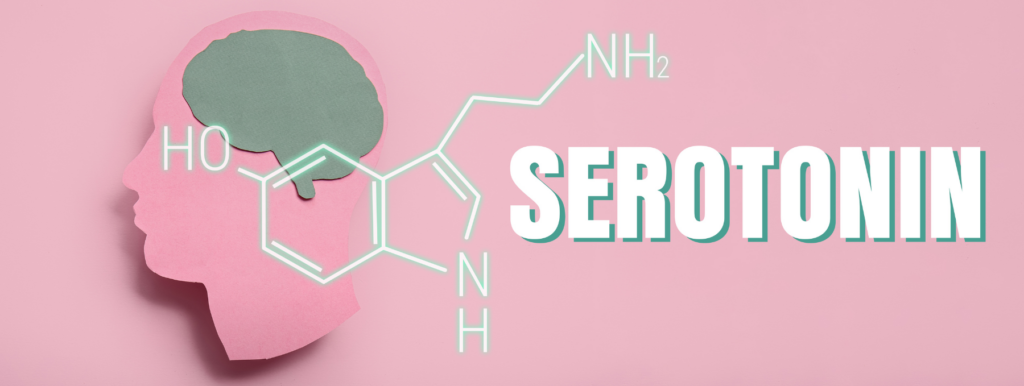
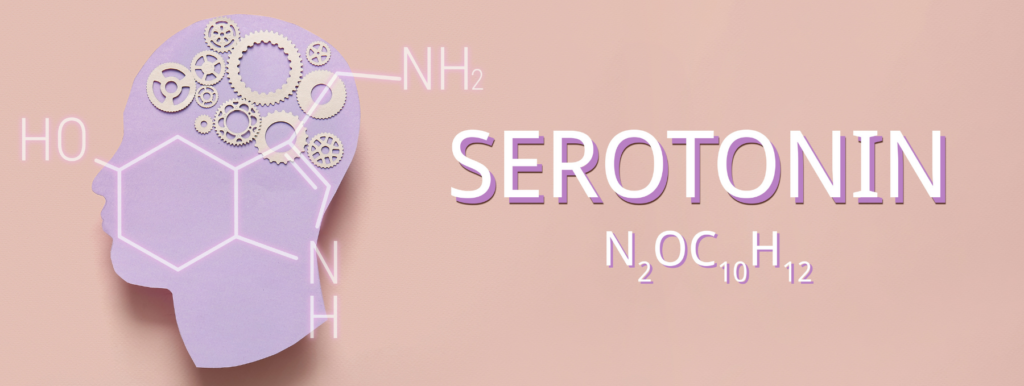
Serotonin, or 5-hydroxytryptamine (5-HT), is a neurotransmitter located predominantly in the brain, blood platelets and gastrointestinal tract, where it performs several vital functions. Often referred to as the “happiness hormone,” serotonin is crucial for mood regulation, with inadequate levels linked to depression and anxiety. It also plays an essential role in regulating the sleep cycle and contributes to calmness and relaxation during sleep-wake cycles. Additionally, serotonin is involved in cognitive functions such as learning, memory and decision-making.
Serotonin is synthesized in the body from the amino acid tryptophan, with approximately 90% stored in the gut and the remainder distributed in the brain and blood. This unique distribution underscores the importance of gut-brain interactions and their significant impact on mood and mental processes.
What is Oxidative Stress?
 Oxidative stress arises when there is an imbalance between reactive oxygen species (ROS) such as free radicals and the body’s antioxidant defenses. ROS are unstable molecules that can cause significant damage to proteins, lipids and DNA, ultimately leading to cell dysfunction and death. Various factors contribute to oxidative stress in the body, including environmental factors like pollution, smoking and radiation, which can all elevate ROS levels.
Additionally, normal cellular metabolism inherently produces ROS, while lifestyle factors such as poor diet, chronic stress and lack of exercise can further exacerbate things. Understanding the sources of oxidative stress is crucial for addressing this harmful process and mitigating its impacts on health.
The Relationship Between Serotonin and Oxidative Stress
As serotonin serves vital roles in mood regulation, cognitive function and overall well-being, understanding the interplay between serotonin and oxidative stress can provide insights into potential therapeutic strategies for a range of health issues.
Antioxidant Properties of Serotonin
Recent studies suggest that serotonin may possess inherent antioxidant properties which allow it to neutralize free radicals. These antioxidant properties could be particularly relevant in the brain, where oxidative stress is linked to various neurodegenerative diseases. By scavenging free radicals, serotonin may help to mitigate cellular damage, exhibiting a protective effect on neurons.
Neuroprotection and Cellular Integrity
In the central nervous system, serotonin’s role extends beyond neurotransmission. It is involved in maintaining neuronal integrity and promoting neurogenesis—the formation of new neurons. This neuroprotective effect may counteract the detrimental impacts of high oxidative stress levels, promoting resilience against conditions like Alzheimer’s and Parkinson’s diseases.
Modulation of Inflammation
Inflammation and oxidative stress often go hand in hand. Serotonin can modulate inflammatory responses, potentially reducing the levels of oxidative stress that arise from chronic inflammation. By influencing immune cell activity, serotonin may help maintain a healthier internal environment, further preventing oxidative damage.
Implications for Mental Health
The interplay between serotonin and oxidative stress carries profound implications for mental health.
Link to Depression and Anxiety
The interplay between serotonin and oxidative stress helps us understand why mood disorders, especially depression and anxiety, may occur. Low serotonin levels are often associated with heightened oxidative stress, contributing to neuroinflammation and cellular injury, both of which play a significant role in these conditions.
Clinical observations have revealed that those who suffer from anxiety and depressive disorders frequently exhibit elevated markers of oxidative stress. Additionally, certain antidepressants have been shown to not only increase serotonin levels but also enhance the body’s antioxidant defenses. This creates a dual therapeutic approach, simultaneously improving mood and reducing oxidative stress, highlighting the importance of addressing both aspects in the treatment of mood disorders.
Therapeutic Strategies
Given the connection between oxidative stress and serotonin, addressing both aspects may provide an effective strategy in treating mood disorders. Some potential approaches include:
- Nutritional Interventions: Diets rich in antioxidants (fruits, vegetables, nuts) can help combat oxidative stress while promoting serotonin
 synthesis.
 - Physical Activity: Exercise has been shown to boost serotonin levels and improve antioxidant capacity in the body, effectively targeting both areas.
- Mindfulness and Stress Reduction: Techniques such as meditation and yoga may enhance serotonin production and reduce oxidative stress levels by cultivating a calmer state of mind.
Physical Health Implications
The connection between serotonin and oxidative stress extends beyond mental health. Elevated oxidative stress is recognized as a key factor in the development and progression of numerous health issues, including cardiovascular diseases, diabetes and various forms of cancer.
Cardiovascular Diseases
Oxidative stress is a significant contributor to cardiovascular conditions such as hypertension and atherosclerosis. Serotonin may play a role in regulating blood vessel tone and maintaining vascular health.
Diabetes
Those with diabetes often experience oxidative stress due to high blood sugar levels. Alterations in serotonin levels in this context could potentially impact insulin sensitivity and metabolic regulation.
Neurodegenerative Diseases
Disorders like Alzheimer’s disease are characterized by both oxidative stress and alterations in serotonin signaling. The neuroprotective effects of serotonin can be critical in mitigating the progressive neuronal loss typical of such conditions.
Obesity
There is growing evidence suggesting a connection between serotonin levels, appetite regulation and body weight. Low serotonin levels may lead to increased food consumption and a preference for carbohydrate-rich foods, contributing to the obesity epidemic. Elevated oxidative stress associated with obesity can further complicate metabolic health.
Cancer
Emerging research indicates that oxidative stress contributes to carcinogenesis. Serotonin may influence various pathways involved in cell growth and apoptosis (programmed cell death). Thus, understanding the balance between serotonin and oxidative stress could lead to innovative approaches in cancer treatment and prevention.
Integrative Approaches to Balance Serotonin and Oxidative Stress
Given the significant impact of serotonin and oxidative stress on overall health, an integrative approach to optimizing serotonin levels can be beneficial. Start with nutritional strategies that emphasize an antioxidant-rich diet, including colorful fruits and vegetables for essential vitamins C and E, along with polyphenols known for their antioxidant properties. Incorporating healthy fats, especially omega-3 fatty acids from fatty fish and flaxseeds, can reduce inflammation and enhance serotonin levels. Foods rich in tryptophan, such as turkey, eggs, nuts and seeds, also support serotonin production, particularly when paired with carbohydrates.
Lifestyle modifications are crucial as well. Regular physical activity, including aerobic exercises and strength training, boosts serotonin levels and mood while reducing oxidative stress. Mindfulness practices like yoga, meditation and deep breathing help lower oxidative stress and improve mental well-being by enhancing relaxation and serotonin pathways.
Pharmacological interventions can further complement these approaches. Selective serotonin reuptake inhibitors (SSRIs) increase serotonin levels in the brain, offering potential protective effects against oxidative stress. Research suggests these medications not only improve mood but may also bolster the body’s antioxidant defenses. Additionally, antioxidant supplements such as vitamin C, vitamin E and coenzyme Q10 can help mitigate oxidative stress; however, consulting healthcare providers is essential for personalized recommendations.
Dietary Supplements: Tryptophan and 5-HTP
 Dietary supplements like tryptophan and 5-hydroxytryptophan (5-HTP) can effectively enhance serotonin levels, supporting mental health. Tryptophan is an essential amino acid that acts as a building block for serotonin synthesis, is normally obtained from foods such as turkey, chicken, dairy, nuts and seeds. While dietary intake can promote serotonin production, supplementation may benefit those with low levels or absorption issues.
5-HTP is a direct precursor to serotonin and is synthesized from tryptophan in the body. Supplementing with 5-HTP may more effectively increase serotonin levels than tryptophan alone, with research indicating it may help alleviate symptoms of depression and anxiety and improve sleep quality. 5-HTP has also been shown to be effective in inhibiting oxidative damage in the body.
Both tryptophan and 5-HTP have been associated with mood enhancement and stress reduction; however, they should be used with caution. Consulting a healthcare professional before starting supplementation is essential, especially for those on medications that affect serotonin levels, such as antidepressants.
Insights for Enhancing Health and Well-Being
The relationship between serotonin and oxidative stress involves a complex interplay that significantly impacts both mental and physical health. Understanding the dynamics of how serotonin and oxidative stress relate to mental and physical health could enhance treatment approaches for a range of conditions, from mood disorders to chronic diseases. The ongoing exploration of serotonin’s functions and its link with oxidative stress holds promise for unlocking new therapeutic avenues, improving quality of life and fostering resilience in an increasingly demanding world.