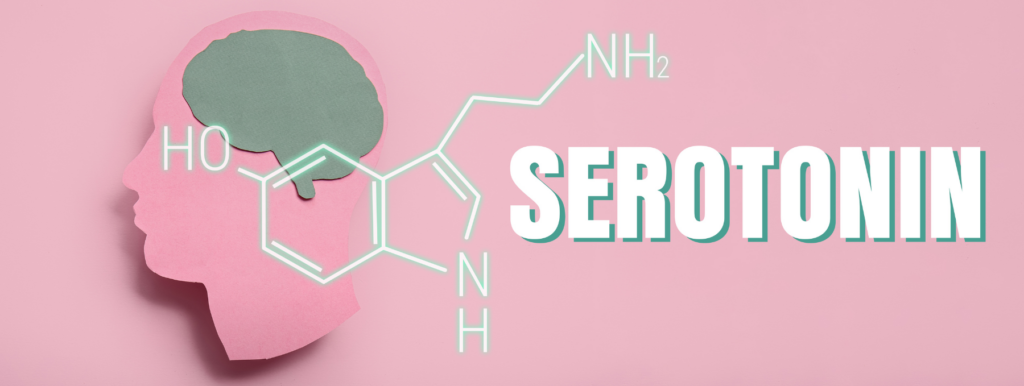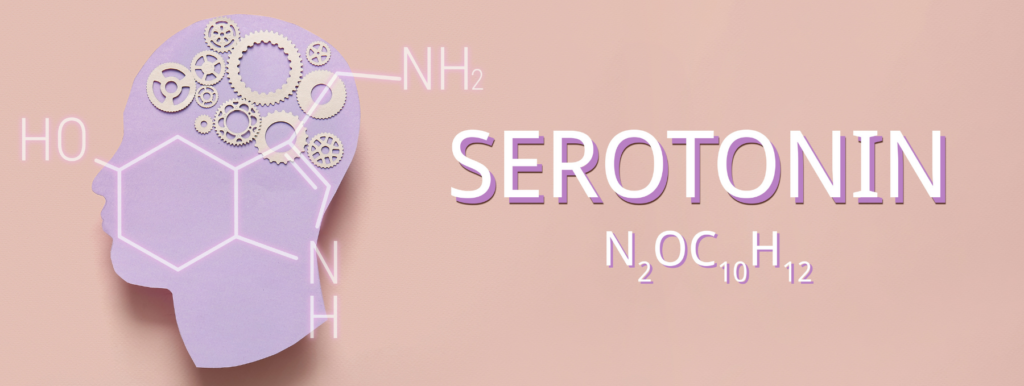

Emotional eating is a common phenomenon in which people turn to food for comfort during times of stress, sadness or anxiety. This behavior often leads to unhealthy eating habits and a cycle of emotional distress. A little-known player in emotional eating is serotonin, a neurotransmitter that significantly influences mood and appetite regulation. Here, we will examine the complex link between serotonin and emotional eating as well as practical strategies for breaking the cycle.
Serotonin: More Than Just a Mood Neurotransmitter
Serotonin is often labeled the “feel-good” neurotransmitter due to its critical role in regulating mood and emotional responses. However, its functions extend far beyond simply enhancing feelings of happiness. Approximately 90% of the body’s serotonin is produced in the gastrointestinal tract. In addition to influencing mood, serotonin plays a crucial role in appetite control and also regulates digestion.
 One of serotonin’s primary functions is to signal feelings of satiety. When we eat, serotonin is released in response to food intake, helping to communicate to the brain that we are full and satisfied. This signaling mechanism is vital for maintaining healthy eating habits, as it regulates hunger and prevents overeating. Beyond its role in appetite, serotonin also contributes significantly to digestive health. It helps regulate bowel movements and gastrointestinal motility, ensuring that digestive processes function smoothly. This is particularly important as imbalances in serotonin levels can lead to gastrointestinal issues, underscoring the neurotransmitter’s impact on overall health.
Serotonin also affects other bodily functions, including sleep regulation and cognitive processes. It influences circadian rhythms and melatonin production, which are essential for maintaining a healthy sleep-wake cycle. Additionally, serotonin has been shown to impact cardiovascular health by aiding in the contraction and relaxation of blood vessels, contributing to the regulation of blood pressure. While low serotonin levels are often associated with mood disorders like depression and anxiety, a serotonin deficiency can also influence physiological well-being in multiple ways, including effects on appetite regulation and digestive health.
What is Emotional Eating?
Emotional eating typically occurs when a person eats in response to feelings rather than hunger. It often involves choosing high-calorie, processed foods that provide a temporary sense of relief or comfort. The motivations behind emotional eating vary widely; many engage in this behavior to cope with stress, while others might do so out of boredom, loneliness or sadness. Comfort foods, often high in sugar and fat, provide a quick boost of temporary “happiness,” making them particularly appealing during difficult emotional moments.
Emotional eating can lead to significant weight gain which may negatively impact self-esteem and lead to a cycle of guilt that further exacerbates emotional distress. Those who experience emotional eating may find themselves trapped in a pattern where they eat to soothe feelings of sadness, only to feel worse afterwards for their food choices. This cycle can undermine overall well-being and contribute to a deteriorating relationship with food.
The Link Between Serotonin and Emotional Eating
Research shows a direct connection between serotonin and emotional eating. When serotonin levels are low, it’s typical to experience feelings of sadness, irritability or anxiety. During these times, food can seem like a quick fix, as the brain seeks immediate relief. Foods high in carbohydrates can help elevate serotonin levels temporarily: When we consume carbohydrates, our bodies are able to increase the availability of tryptophan, an amino acid necessary for serotonin production. This process can lead to a short-term boost in mood, creating a cycle in which people repeatedly seek food to manage their emotions.
The cravings that occur when serotonin levels dip often lean toward sugary and fatty foods like chocolate, chips or pastries. These comfort foods can provide a temporary emotional lift, reinforcing the habit of eating in response to negative feelings. The biochemical response from indulging in these foods— namely, the release of serotonin—creates a reward loop, making such eating behaviors harder to resist. However, this cycle can lead to long-term consequences such as weight gain, increased feelings of guilt and even more serious mental health issues.
Emotional Eating: A Vicious Cycle
The relationship between serotonin and emotional eating creates a vicious cycle. It begins with low serotonin levels leading to feelings of sadness, anxiety or irritability. In response, emotional eating ensues, and comfort is sought in high-calorie foods. This leads to temporary relief, as the intake of food increases serotonin levels, albeit briefly. Following indulgence, sufferers may experience feelings of guilt or regret related to their eating choices. This guilt can exacerbate emotional distress, driving them back to food for comfort and thereby perpetuating the cycle.
Moreover, as this cycle continues, it can lead to an increasingly troubling situation with mental health. The interplay between serotonin deficits and emotional eating can lead to a cycle of obesity and depression, which feed into one another. With every attempt to “feel better” through food, the underlying issues surrounding serotonin and mood may be overlooked, exacerbating the problem.
Strategies to Break the Cycle of Emotional Eating
Recognizing the connection between serotonin and emotional eating is the first step in breaking this cycle. Fortunately, there are multiple strategies that can be adopted to help mitigate the effects of low serotonin and emotional eating.
1. Mindful Eating
 Mindful eating is an approach that encourages people to pay full attention to the food they consume, from taste to texture. This method promotes awareness of true hunger cues, enabling responses to food cravings that are more appropriate than emotional reactions. Key practices for mindful eating include eating slowly, savoring each bite and removing distractions such as TV or smartphones during meals. Before reaching for a snack, it is also a good practice to check in with oneself to assess actual hunger levels. This helps in recognizing whether the urge to eat is genuine or fueled by emotions.
2. Balanced Diet
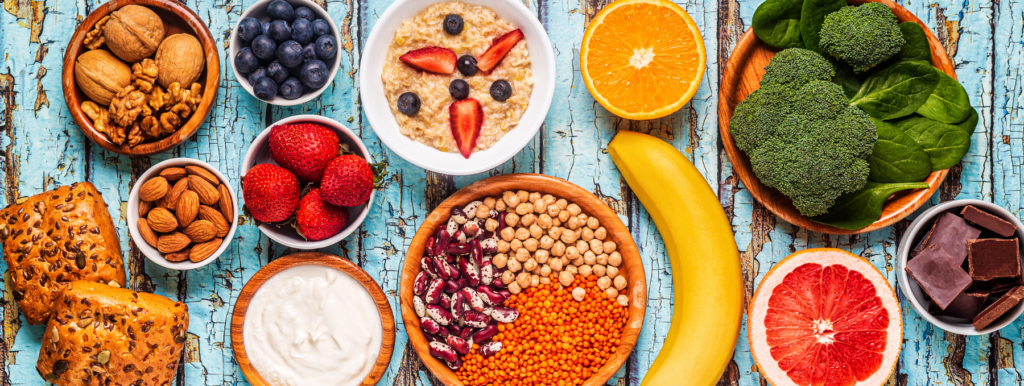
Maintaining a balanced diet rich in nutrients is another effective strategy for stabilizing serotonin levels. Foods that may enhance serotonin production include:
- Complex Carbohydrates: Whole grains such as brown rice, quinoa and oats provide sustained energy without causing spikes in blood sugar. They help maintain stable serotonin levels over time.
- Fruits and Vegetables: Berries, bananas and leafy greens are rich in vitamins and minerals essential for serotonin synthesis. For example, bananas contain vitamin B6, which plays a crucial role in converting tryptophan to serotonin.
- Healthy Fats: Omega-3 fatty acids found in fatty fish, walnuts and flaxseeds can enhance mood and cognitive function. These fats support overall brain health and may assist in maintaining balanced serotonin levels.
It is important to note that staying hydrated is also essential, as even mild dehydration can affect mood and cognitive function.
3. Regular Physical Activity
Engaging in regular physical activity can help to naturally boost serotonin levels. Not only does exercise promote physical well-being but it also significantly impacts mood and emotional health. Research indicates that regular exercise increases the availability of neurotransmitters like serotonin, potentially leading to improved mood and reduced symptoms of anxiety and depression. Aim for at least 30 minutes of physical activity most days of the week, whether through structured workouts or simple activities like walking or cycling.
4. Stress Management Techniques
Implementing effective stress management practices can help reduce the incidence of emotional eating. Techniques such as mindfulness meditation, yoga and deep breathing exercises cultivate a sense of calm and relaxation. These practices not only help in managing stress but may also promote balanced serotonin levels.
- Mindfulness Meditation: This practice encourages awareness of thoughts and feelings, which can help to acknowledge emotional triggers without immediately resorting to food as a coping mechanism.
- Yoga: Combining physical movement with mindfulness, yoga has been shown to decrease stress and anxiety levels while promoting emotional well-being.
- Deep Breathing Exercises: Engaging in deep, controlled breathing can help reduce stress levels, making it easier to respond healthily to emotional triggers.
5. Sleep Hygiene
Adequate sleep is another critical factor in maintaining balanced serotonin levels. Sleep deprivation can lead to a reduction in serotonin production and can worsen mood disorders. Establishing good sleep hygiene practices can help improve sleep quality and duration. One way to build good sleep hygiene is to maintain a consistent sleep schedule by going to bed and waking up at the same time each day. Additionally, creating a calming bedtime routine, such as reading or practicing relaxation techniques before sleeping, can be helpful. Finally, limiting exposure to screens before bedtime is crucial, as the blue light emitted can interfere with the body’s natural sleep cycle.
6. Fostering Social Connections
 Building and maintaining strong social connections can significantly impact mental health and serotonin levels. Engaging in meaningful relationships provides emotional support, reduces feelings of loneliness and can improve overall mood. Consider reaching out to friends or family members for supportive conversations or spending time together in enjoyable activities.
Joining groups or clubs centered around hobbies or interests can also provide social interaction and emotional fulfillment. Whether through sports, book clubs or volunteer opportunities, establishing connections with others can enhance well-being and counter feelings of loneliness or depression.
Leveraging Serotonin for Healthier Eating Habits
Recognizing the complex interplay between serotonin and emotional eating is crucial for breaking the cycle of unhealthy eating habits and emotional distress. By adopting mindful eating practices, maintaining a balanced diet rich in nutrient-dense foods, engaging in regular physical activity and managing stress effectively, it is possible to take proactive steps toward enhancing serotonin levels and overall well-being.