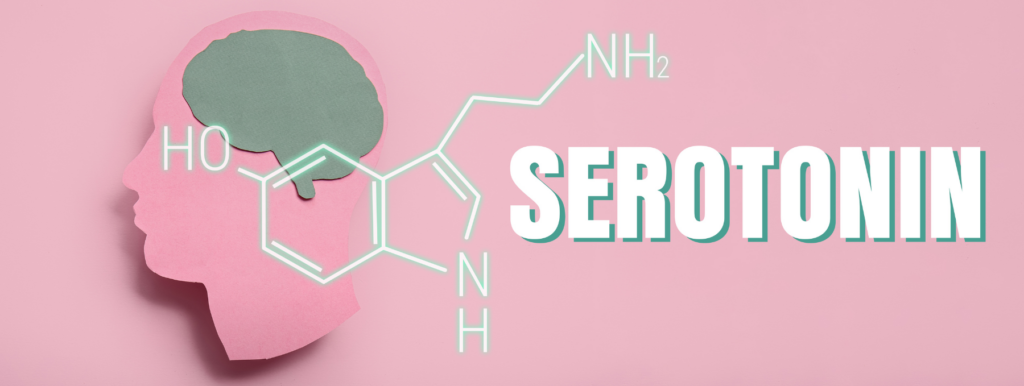

Serotonin is an important neurotransmitter that is most often recognized for its role in regulating mood and emotional well-being. In truth, its influences extend far beyond the confines of the brain: Approximately 90% of the body’s serotonin is produced in the gastrointestinal (GI) tract, where it performs a variety of functions that are crucial for healthy digestion. Here, we will take a closer look at serotonin and the gut, examining the various ways serotonin influences digestion and how supporting healthy levels of this multifaceted neurotransmitter can benefit digestive health.
 The Role of Serotonin in Digestion
Serotonin is found primarily in the gastrointestinal (GI) tract, where it is synthesized from the amino acid tryptophan. There, it works within the enteric nervous system (ENS), a complex network of neurons that is often referred to as the “second brain,” to help govern the functioning of the gastrointestinal tract and regulate digestive processes. There are several areas in which serotonin is critical when it comes to digestion.
1. Motility
One of the primary roles of serotonin in the digestive tract is its influence on motility, the movements of the gastrointestinal (GI) tract that facilitate the breakdown and passage of food through the digestive system. Specifically, serotonin stimulates the contraction of smooth muscle in the intestines, promoting peristalsis—the wave-like movement that helps propel food through the digestive system. Improper motility can lead to problems such as constipation or diarrhea. When serotonin levels are sufficient, these muscle contractions occur in a coordinated manner, ensuring that food passes smoothly through the GI tract. Conversely, low serotonin levels can disrupt this process, resulting in a host of digestive issues.
2. Gut Sensitivity
Serotonin also modulates the sensitivity of the gut lining. In this capacity, it helps regulate how the body reacts to food intake, including feelings of fullness (satiety) and the overall satisfaction experienced after meals. Gut lining sensitivity is crucial for recognizing hunger and satiety signals. When serotonin levels are balanced, people tend to have a better sense of their digestive needs, which can help to prevent overeating and related digestive discomfort.
3. Digestive Secretions
Another important function of serotonin in the digestive system is promoting the secretion of digestive enzymes and fluids. These secretions are vital for effectively breaking down food and absorbing nutrients. When serotonin levels are adequate, the digestive system can operate smoothly, leading to improved nutrient uptake and overall digestive health. Serotonin also stimulates the secretion of mucous in the intestines, which protects the gut lining and helps facilitate the movement of food through the digestive tract. Healthy serotonin levels can contribute to a well-functioning digestive system, while low levels can lead to digestive issues such as bloating, gas and discomfort.
4. Gut-Brain Communication
Serotonin is a key player in the gut-brain axis—a bidirectional communication pathway between the gut and the brain. Its job there is crucial because it influences how the brain processes signals from the digestive system. Serotonin’s role in gut-brain communication is particularly significant when it comes to appetite regulation. When serotonin levels are optimal, the signals informing the brain about hunger and satiety are well communicated. This can help prevent conditions like overeating and binge eating, which often lead to digestive distress. Moreover, maintaining proper communication can help reduce anxiety and stress levels, creating a more harmonious digestive environment.
 5. Mood and Digestion
Given that serotonin is linked to mood regulation, it’s important to consider how emotional well-being can impact digestive health. Stress and anxiety can interfere with serotonin production, leading to imbalances that affect digestion. For instance, heightened stress levels can cause the body to divert resources away from digestion, leading to symptoms such as stomach cramps, nausea and changes in appetite. Conditions like irritable bowel syndrome (IBS) are often exacerbated by stress and are thought to be related to dysregulation of serotonin levels. Recognizing the connection between mood and digestion is essential for understanding how to maintain overall gut health.
Benefits of Balanced Serotonin Levels on Digestion
Maintaining healthy serotonin levels is important for good digestive health. A deficiency in serotonin can lead to a variety of digestive disorders and symptoms, ultimately impacting quality of life. Here are some key implications associated with maintaining balanced serotonin levels:
- Enhanced Digestion: Healthy serotonin levels foster efficient digestion. With proper motility, sensitivity and secretion, the digestive system can process food more effectively, ensuring that the body receives the nutrients it needs. This can lead to improved energy levels and overall well-being.
- Reduced Digestive Disorders: Maintaining optimal serotonin levels can help reduce the risk of digestive disorders. Conditions such as IBS, chronic constipation and gastroesophageal reflux disease (GERD) have been linked to serotonin dysregulation. By supporting serotonin production, it can be possible to mitigate these issues and enhance the digestive experience.
- Improved Mental Health: Because serotonin plays a dual role in both mood regulation and digestion, balanced levels can improve mental health alongside physical well-being. Individuals with healthy serotonin levels often report lower levels of anxiety and improved mood stability, further supporting overall digestive health.
- Greater Resilience to Stress: Healthy serotonin levels can contribute to better stress management. Since stress has direct effects on digestion, being better equipped to handle it can lessen its impact on gut function. This resilience can foster a more stable digestive environment and enhance the body’s overall ability to cope with stressors.
Supporting Serotonin Production Naturally
To maintain healthy serotonin levels, it’s necessary to adopt lifestyle strategies that support its production and balance. One important aspect is nutrition. Incorporating foods rich in tryptophan, such as turkey, chicken, eggs, cheese, nuts and seeds, is vital because tryptophan is a precursor to serotonin. Additionally, consuming complex carbohydrates like whole grains, fruits and vegetables can help facilitate the absorption of tryptophan, further boosting serotonin levels. Omega-3 fatty acids found in fatty fish, flaxseeds and walnuts have also been shown to promote serotonin levels in the brain.
Regular exercise also plays a significant role in serotonin production, as physical activity stimulates the release of serotonin and other neurotransmitters that improve mood and overall mental health. Aiming for at least 30 minutes of moderate exercise most days of the week can provide these benefits.  Another natural method to enhance serotonin production is through sunlight exposure. Spending time outdoors, particularly on sunny days, can help increase serotonin levels; aiming for 15-30 minutes of sunlight exposure daily is advisable.
Practicing mindfulness and engaging in stress-relieving activities, such as yoga, meditation or deep-breathing exercises, can also help balance serotonin levels. These practices are effective in reducing stress and enhancing overall well-being. Finally, ensuring adequate sleep is essential for maintaining healthy serotonin levels; aiming for 7-9 hours of good-quality sleep each night supports neurotransmitter production and overall health.
Support Healthy Serotonin Levels for Digestive Health
The connection between serotonin and digestion is undeniable. Maintaining healthy serotonin levels is crucial not only for emotional well-being but also for optimal digestive function. From regulating gut motility and sensitivity to promoting effective communication between the gut and brain, serotonin plays a vital role in the digestive process. Understanding the importance of serotonin and implementing lifestyle strategies to support its production can help enhance both digestive health and overall quality of life. Whether it’s through nutrition, exercise, stress management or sleep, prioritizing serotonin balance paves the way for a happier gut and mind.