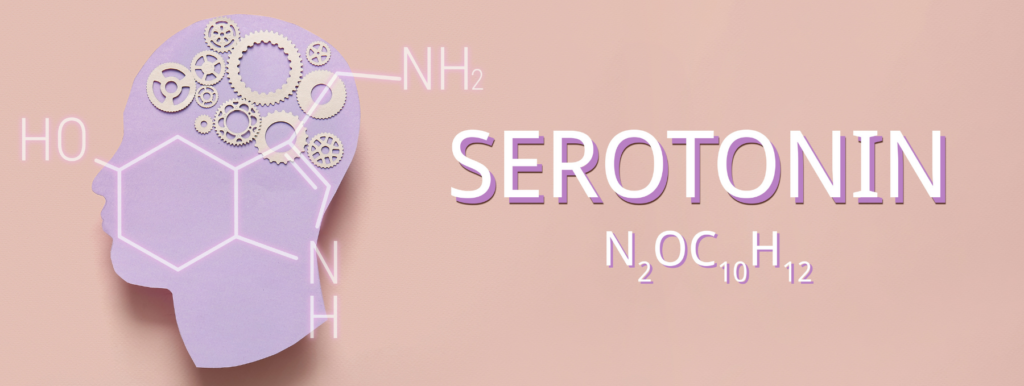

The complexities of human mood and mental well-being can often be attributed to a multitude of factors, including diet, lifestyle and biochemical processes. One of the most crucial neurotransmitters in mood regulation is serotonin, frequently referred to as the “feel-good” hormone. Here, we will talk about how your body utilizes B vitamins for serotonin production, and how two essential vitamins — niacin (Vitamin B3) and vitamin B6 — can influence both serotonin levels and mood.
Understanding Serotonin
 Serotonin is a neurotransmitter predominantly found in the brain, intestines and blood platelets. This compound plays a vital role in regulating various physiological and psychological functions, including:
- Mood: Low serotonin levels are often linked with feelings of depression, anxiety and irritability.
- Sleep: Serotonin contributes to the regulation of sleep cycles and helps influence circadian rhythms.
- Appetite: This neurotransmitter affects appetite control and the sensation of fullness after eating.
Given its critical roles in both physical and mental health, maintaining balanced serotonin levels is essential for overall well-being.
The Role of Niacin (Vitamin B3)
Niacin, also known as Vitamin B3, is a water-soluble vitamin that plays a crucial role in various metabolic processes within the body. It functions primarily as a precursor to nicotinamide adenine dinucleotide (NAD), an essential coenzyme required for cellular metabolism and for converting food into energy.
Another notable role niacin plays involves the conversion of tryptophan, an amino acid that serves as a building block for serotonin. This conversion is significant because serotonin is a vital neurotransmitter associated with mood regulation, emotional well-being and various cognitive functions. Sufficient levels of niacin can facilitate this transformation, promoting higher serotonin production in the body, which may help stabilize mood and improve mental health.
Research into the effects of niacin on mood has produced interesting insights. Studies have indicated that increasing niacin intake can lead to improvements in mood and may alleviate symptoms of depression. This connection between niacin and serotonin highlights its potential benefits in managing various mental health conditions. For those who are grappling with anxiety or depressive disorders, maintaining adequate levels of niacin may be particularly beneficial.
Moreover, current clinical insights suggest that many people who suffer from depression or anxiety exhibit diminished levels of niacin. Supplementation could be a viable option for those looking to improve their mood by supporting increased serotonin synthesis. Various research studies emphasize the positive impacts of niacin-rich foods—such as poultry, fish and whole grains—on overall mental well-being. This reinforces the idea that adequate niacin intake is not only essential for physical health but also for maintaining emotional stability.
The Importance of Vitamin B6
Vitamin B6 is essential for the metabolism of amino acids and is fundamental to several physiological functions within the body. One of its crucial roles involves participating in the enzymatic pathways that convert the amino acid tryptophan into serotonin. This transformation is vital for maintaining adequate serotonin levels, as insufficient B6 can hinder this process, potentially leading to lower serotonin concentrations in the brain.
In addition to its role in serotonin synthesis, vitamin B6 significantly impacts mood regulation. Research has linked deficiencies in vitamin B6 to various mood disorders, demonstrating that sufficient levels of this vitamin are essential for emotional stability. Individuals who lack adequate B6 often experience irritability and depressive symptoms, underscoring the vitamin’s importance in mental health.
Clinical evidence supports the notion that vitamin B6 supplementation can significantly enhance mood and help alleviate symptoms associated with anxiety and depression. For instance, studies have shown that patients with elevated homocysteine levels—often an indicator of B vitamin deficiencies—experienced noticeable improvements in mood following B6 supplementation. This reinforces the idea that maintaining adequate B6 levels is vital for emotional well-being.
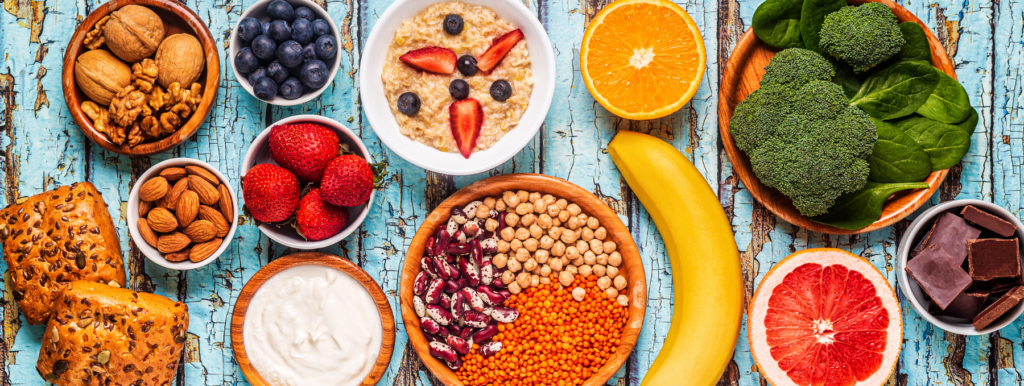
Furthermore, the bioavailability of vitamin B6 in food sources makes incorporating foods that are rich in B6 a feasible nutritional goal. Foods that are good sources of vitamin B6 include bananas, chicken, potatoes and fortified cereals. Incorporating these items into one’s diet can bolster serotonin production and promote overall emotional health.
Dietary Recommendations for Optimal Levels
To harness the benefits of B vitamins for serotonin production, consider the following dietary suggestions:
Include Niacin-Rick Foods in Your Diet:
- Turkey and Chicken: Not only are these lean poultry options rich in niacin but they also come with the added benefit of being low in saturated fats, making them heart-healthy choices. Incorporating turkey and chicken into your meals can help support overall well-being while providing essential nutrients.
 Fish: Fatty fish like salmon and tuna are not only abundant in niacin but also packed with omega-3 fatty acids, which are crucial for brain health. These healthy fats can promote cognitive function and contribute to a reduced risk of mental health disorders, making fish an excellent addition to your diet.
- Nuts and Seeds: Snacks such as peanuts and sunflower seeds are fantastic sources of niacin and healthy fats, offering a crunchy, satisfying option that supports energy levels. They are also rich in antioxidants and vitamin E, making them great for heart health and overall wellness.
- Whole Grains: Choosing whole grain products like quinoa, brown rice and whole wheat bread over refined grains ensures that you’re consuming a higher nutrient content, including essential B vitamins. Whole grains are also a good source of fiber, which aids in digestion and helps maintain stable blood sugar levels.
Enhance Your Vitamin B6 Intake:
- Fruits and Vegetables: Incorporating fruits such as bananas and avocados into your daily diet not only provides natural sources of vitamin B6, but also carbohydrates that can help boost your energy levels. These fruits are also rich in fiber and other vitamins, supporting both physical and mental health.
- Lean Meats: Including sources like chicken, turkey and fatty fish in your meals not only boosts vitamin B6 intake but also provides high-quality proteins. These lean meats support muscle health, repair tissues and contribute to overall immune function, making them valuable additions to a balanced diet.
- Legumes: Beans, lentils and chickpeas are excellent sources of vitamin B6 and protein, making them perfect choices for vegetarian and vegan diets. These legumes are versatile and can be added to salads, soups or stews, ensuring that you get a hearty dose of essential nutrients.
- Fortified Cereals: Many breakfast cereals are fortified with B vitamins, including B6, offering a convenient and quick way to enhance your nutrient intake. Opting for whole grain or low-sugar varieties can provide not just B6 but also additional dietary fibers and minerals, setting a wholesome tone for your day.
Supplementation and Considerations
While obtaining niacin and Vitamin B6 through dietary sources is ideal, some people may find the need to supplement, particularly those with deficiencies or specific health concerns. It is essential to consult a healthcare professional before starting any supplementation regimen to assess individual needs and evaluate potential interactions with other medications. Additionally, monitoring dosages is crucial; overconsumption of niacin can lead to side effects such as flushing and skin irritations, while excessive intake of vitamin B6 may result in nerve damage. Therefore, being aware of recommended daily allowances is vital for safe supplementation.
Taking a balanced nutritional approach is also important: Focusing on a diet rich in various nutrients, including other B vitamins, can holistically support serotonin production and overall mental health. By integrating these considerations, it is possible to make informed choices regarding vitamin intake to enhance both physical and mental well-being.
The Bigger Picture: Implications for Mental Health
 Understanding the importance of B vitamins for serotonin production extends beyond just biochemistry; it also touches upon public health. Mental health issues constitute a significant challenge worldwide. By promoting dietary awareness and nutritional education focused on the roles of these vitamins, we can empower individuals to take a proactive stance on mental well-being.
Moreover, public health initiatives that emphasize mental health awareness and nutrition can reduce the stigma surrounding mental health disorders. Simple dietary adjustments could serve as complementary strategies alongside traditional forms of treatment, potentially enhancing the quality of life for many.
The Vital Link Between Niacin, Vitamin B6 and Mental Well-Being
The interplay between niacin, vitamin B6 and serotonin levels underscores the importance of these nutrients in mood regulation and mental well-being. By ensuring adequate intake through a balanced diet or appropriate supplementation, it is possible to potentially improve emotional health and mitigate the risk of mood disorders.