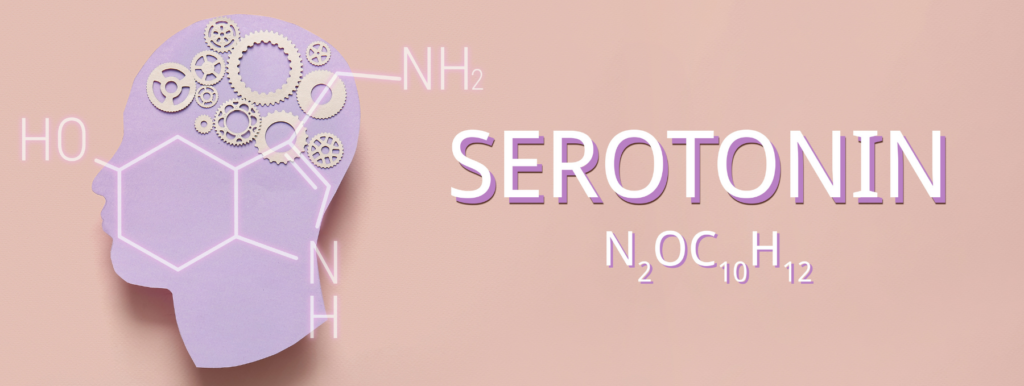

Serotonin is an important neurotransmitter that plays a crucial role in regulating mood, emotions and overall mental well-being. However, its impacts extend far beyond the brain: Recent research has shown that serotonin is intricately linked to hormonal balance in the body. In this role, serotonin influences various systems that help maintain both physical and emotional health. Here we will explore the connection between serotonin and hormones, the implications for overall health and how this intricate relationship can shape our daily lives.
Serotonin: More Than Just a “Happiness Hormone”
Serotonin, or 5-hydroxytryptamine (5-HT), is a neurotransmitter primarily located in the brain, blood platelets and gastrointestinal tract, with about 90% produced in the gut. This neurotransmitter plays a crucial role in regulating bowel function and movement, while the serotonin found in the brain  significantly influences mood, anxiety and overall happiness levels. Serotonin synthesis begins with the amino acid tryptophan, which is obtained from the diet and undergoes enzymatic reactions to become serotonin.
Factors such as diet, genetics and sunlight exposure can significantly affect serotonin levels. For example, foods rich in tryptophan, like turkey, nuts and seeds, can enhance serotonin production. Conversely, insufficient sunlight can lead to lower serotonin levels, emphasizing how environmental factors interplay with biochemical processes to affect mental and emotional health.
The Hormonal Orchestra: The Role of Serotonin
While serotonin is most well-known for its role as a neurotransmitter, it can also act as a hormone and shares a symbiotic relationship with various other hormones throughout the body. Below, we’ll examine some of the key hormones influenced by serotonin and how this connection affects various bodily functions.
Cortisol: The Stress Hormone
Cortisol is a steroid hormone that the body releases in response to stress. Interestingly, elevated serotonin levels can lead to a reduction in cortisol production, which promotes a calmer mental state. Chronic high cortisol levels are linked to a variety of health problems, including anxiety, weight gain, sleep disorders and other issues. By regulating cortisol through serotonin, the body can help mitigate the negative impacts of stress, thereby supporting overall mental and physical well-being.
Insulin: The Blood Sugar Regulator
Serotonin plays a significant role in affecting insulin secretion and sensitivity. Higher levels of serotonin can enhance insulin sensitivity, which allows for better regulation of blood sugar levels. Conversely, poor insulin sensitivity can lead to serious health conditions, such as Type 2 diabetes and metabolic syndrome. Therefore, managing serotonin levels is crucial for maintaining healthy blood sugar and overall metabolic health.
Estrogen and Testosterone: The Reproductive Hormones
Research indicates that serotonin plays a crucial role in regulating the levels of estrogen and testosterone in the body. Fluctuations in serotonin can significantly impact women’s menstrual cycles and men’s libido. This connection underscores the importance of understanding how hormonal imbalances can affect mood, energy levels and sexual health. By recognizing the link between serotonin and reproductive hormones, it’s possible to develop more effective management strategies for conditions such as premenstrual syndrome (PMS) and erectile dysfunction, ultimately improving overall well-being.
Thyroid Hormones: The Metabolic Regulators
Serotonin is intricately linked to thyroid function, as adequate levels of this neurotransmitter support the secretion of thyroid hormones, including thyroxine (T4) and triiodothyronine (T3). This relationship is significant, because thyroid disorders can lead to various symptoms, such as fatigue, weight gain and depression. Consequently, maintaining balanced serotonin levels can indirectly enhance thyroid health and support overall metabolic function: a fact that highlights the interconnectedness of these biochemical systems in promoting well-being.
 The Gut-Brain Connection
The connection between serotonin and the gut-brain axis is one of the most intriguing aspects of this neurotransmitter. The gut microbiome, which consists of trillions of microorganisms residing in our intestines, plays a critical role in serotonin production and overall hormonal regulation. Studies indicate that a healthy gut microbiome can significantly enhance serotonin synthesis, with specific probiotics and prebiotics not only supporting digestive health but also elevating serotonin levels, thereby improving mood and emotional well-being.
On the other hand, an imbalanced gut microbiome can lead to decreased serotonin production, which has been linked to conditions such as depression and anxiety. This makes evident the importance of a balanced diet rich in fiber, fermented foods and healthy fats to support gut health, thereby fostering optimal serotonin levels. By maintaining a healthy microbiome, it is possible to positively influence mental health and overall emotional stability.
Factors That Affect Serotonin and Hormonal Balance
Several lifestyle factors play a crucial role in maintaining optimal serotonin levels and, consequently, hormonal balance:
- Diet: Consuming a balanced diet rich in essential nutrients like omega-3 fatty acids, vitamins B6 and B12 and minerals is crucial for serotonin synthesis. Foods such as oily fish, whole grains, fruits and vegetables can promote healthy serotonin levels.
- Physical Activity: Regular exercise has been shown to boost serotonin levels. Physical activity increases the availability of tryptophan and stimulates serotonin release, contributing to improved mood and enhanced hormonal balance.
- Sleep: Quality sleep is vital for hormone regulation, including that of serotonin. Poor sleep can lead to decreased serotonin levels and increased cortisol production, creating a vicious cycle that can affect mental health.
- Stress Management: Techniques such as mindfulness, meditation and yoga can help reduce stress and lower cortisol levels, promoting a healthier balance of serotonin and other hormones.
- Sunlight Exposure: Natural sunlight exposure can positively influence serotonin levels. Regular exposure to sunlight promotes serotonin production and can help alleviate symptoms of seasonal affective disorder (SAD).
Implications for Mental Health
The interplay between serotonin and hormones has significant implications for mental health, with conditions like depression, anxiety and various mood disorders often linked to imbalances in serotonin and associated hormones. To address these issues, several treatment options are available. Medication, particularly selective serotonin reuptake inhibitors (SSRIs), is a common approach. These antidepressants increase serotonin levels in the  brain, effectively alleviating symptoms of depression and anxiety. In addition to medication, supplementing with tryptophan or 5-HTP can be beneficial. Both substances serve as precursors to serotonin, potentially enhancing its availability and improving mood.
Cognitive-behavioral therapy (CBT) is another effective method for tackling the psychological components of hormonal imbalances. It equips people with coping strategies and skills essential for managing their mental health. Furthermore, adopting healthy lifestyle changes—such as improving dietary habits, engaging in regular exercise and practicing stress management techniques—can significantly enhance serotonin levels and overall hormonal balance, promoting better mental well-being.
Fostering the Critical Link Between Serotonin and Hormones
The relationship between serotonin and hormones reveals the complex interplay between neurotransmitters and hormones that govern our overall health and well-being. Understanding this connection is vital for taking a holistic approach to health, and the importance of emphasizing a healthy diet, lifestyle and mental wellness. By managing serotonin levels and fostering a balanced hormonal landscape, it is possible to significantly improve one’s physical health, emotional resilience and quality of life.