
Menopause is a significant phase in a woman’s life, often marked by various physical and emotional changes. While many people are aware of the common symptoms like hot flashes and mood swings, fewer recognize that menopause can also affect metabolic health. Recent research indicates that problems with insulin sensitivity during this time may not be solely due to hormonal changes; they can also involve issues with serotonin signaling, or how the neurotransmitter serotonin (5-HT) communicates between nerve cells and influences various functions in the body. Here, we will explore these new findings regarding menopause and insulin resistance and their implications for women navigating the complexities of menopause.
The Metabolic Risk During Menopause
 As women approach menopause, metabolic health can become increasingly compromised. This phase, known as perimenopause, is characterized by the cessation of ovarian function, which causes a drop in estrogen levels and changes in hormonal balance. Studies show that these hormonal shifts are associated with a higher risk of conditions like obesity, insulin resistance and Type 2 diabetes. Interestingly, many women may still have a normal body weight and fasting insulin levels during this transition but can still struggle with insulin sensitivity. This suggests that there are various complex factors at play in regards to how menopause affects metabolism.
Examining Serotonergic Signaling
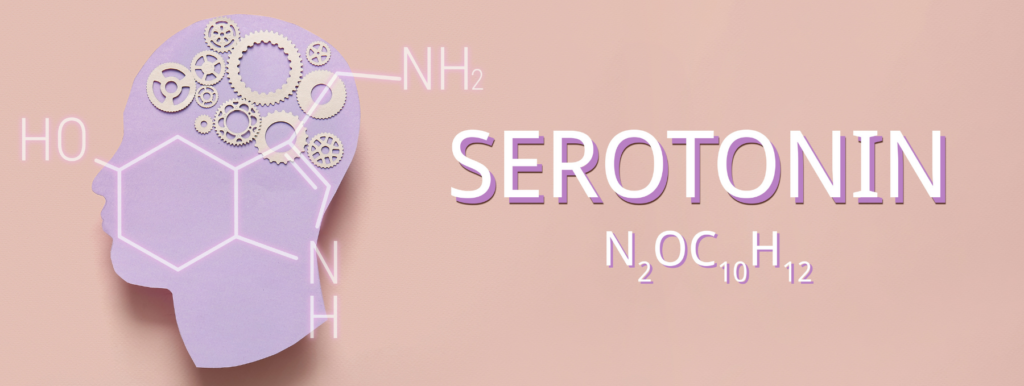
Serotonin (5-HT) is a neurotransmitter popularly recognized for its role in mood regulation. However, research shows that it also affects other important processes in the body, including metabolism. A recent study used a specific mouse model (VCD) to mimic early perimenopausal conditions and discovered how serotonin levels might affect metabolic health. In this VCD model, researchers observed several changes that resemble what happens during menopause:
- Follicular Depletion: There was a decrease in ovarian follicles, which are the developing eggs in the ovaries, indicating the start of ovarian failure.
- Increased Follicle-Stimulating Hormone (FSH): Higher levels of FSH were observed, which is common in women who are going through perimenopause.
- Steady Estradiol Levels: Interestingly, levels of estradiol (another important hormone) remained normal in the mice, making it more challenging to understand how hormones influence metabolism.
Despite the VCD-treated mice having normal body weight and fasting blood sugar levels, the study found they had significant problems with insulin sensitivity. This suggests that traditional measures of health may not tell the whole story about metabolic function.
Serotonin Levels and Insulin Sensitivity
 A significant finding of the study was that the levels of serotonin in both the blood and the liver were notably lower in the VCD mice. This raises important questions about how serotonin affects glucose metabolism, or how our bodies manage sugar levels. The researchers also performed experiments in the lab to see how different amounts of serotonin affected liver cells. They found that at low levels, serotonin helped liver cells grow and stay healthy. However, when the concentration was too high, it became toxic, leading to cell death.
Additionally, the study looked at how serotonin impacts important processes related to insulin, the hormone that helps regulate blood sugar. It revealed changes in specific indicators (the p-IRS1/IRS1 and p-AKT/AKT ratios) that show how effectively insulin communicates with the liver. A decrease in these indicators suggests that insulin signaling is not working properly. Overall, these findings imply that serotonin is vital for maintaining healthy insulin sensitivity, and any imbalance in serotonin levels might lead to metabolic problems.
Serotonin and Metabolic Health: Implications for Women
The findings underscore the need for better understanding the hormonal and neurochemical changes women undergo during menopause. Below are a few implications to consider.
1. Rethinking Menopausal Symptoms
While hot flashes and night sweats are often the focus of menopausal discussions, recognizing the potential for metabolic dysfunction is equally crucial. Women experiencing these symptoms should be aware of their increased risk for insulin resistance and other metabolic issues, even if they maintain a healthy weight.
2. Targeting Serotonergic Pathways
Given the role of serotonin in insulin signaling, therapeutic interventions that target serotonergic pathways could offer new options for managing metabolic health. Potential approaches may include:
- Lifestyle Interventions: Strategies such as enhanced physical activity and dietary modifications can positively influence serotonin levels and overall metabolic health.
- Serotonin Modulating Medications: Future research may explore the benefits and risks of serotonergic drugs in improving metabolic function during menopause.
 Supplementation with Tryptophan and 5-HTP: Adding dietary supplements like tryptophan or 5-Hydroxytryptophan (5-HTP) may help enhance serotonin levels. Tryptophan is an essential amino acid that serves as a precursor to serotonin, while 5-HTP is a direct metabolite of tryptophan and has been shown to more efficiently boost serotonin synthesis. A combination of 5-HTP and tryptophan may further optimize serotonin production, potentially supporting improved metabolic function, mood regulation and overall wellbeing.
3. Holistic View of Women’s Health
This research supports a more integrated approach to women’s health that considers the connection between mental and physical well-being. Effective menopause management should encompass not just the management of vasomotor symptoms but also a proactive approach to metabolic health.
Understanding Serotonin’s Role in Metabolic Health
Menopause brings a number of challenges for women, especially when it comes to metabolic health. Recent research on serotonin sheds light on how hormonal changes during this time can affect insulin signaling, which helps regulate blood sugar. This understanding opens up new possibilities for treatment. As we learn more about menopause and its risks, it’s clear that we should pay attention not only to hormonal changes but also to how other brain chemicals influence women’s health. This research can lead to effective strategies to reduce the risk of diabetes and improve the quality of life for women going through menopause.