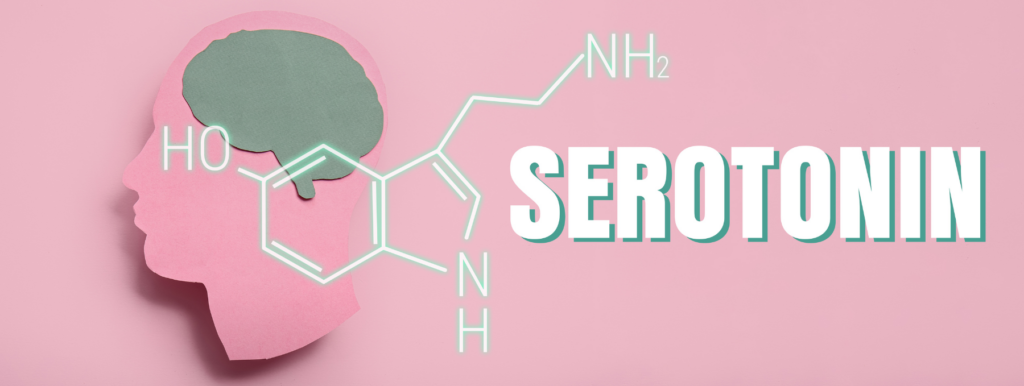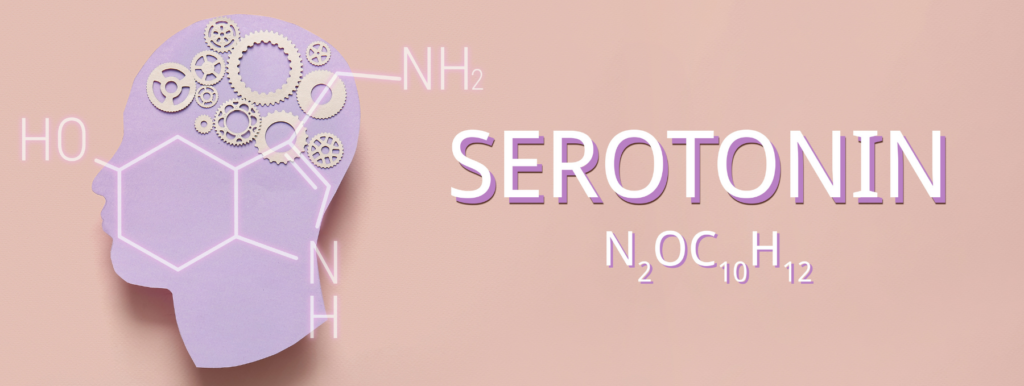
Serotonin is a complex compound that plays a number of very important roles in the body. While it is frequently associated with mood regulation and mental well-being, its impact extends well beyond neurotransmission. Here, we will delve into the dual role of serotonin as both a neurotransmitter and a hormone, examining its functions, mechanisms of action and significance for overall health.
What is Serotonin?
 Serotonin (5-hydroxytryptamine or 5-HT) is found primarily in the brain, intestines and blood platelets. It is synthesized from the amino acid tryptophan, which is obtained from dietary sources and once ingested, undergoes several biochemical processes to become serotonin. While serotonin is most often associated with mood and mental well-being, it is more than just a neurotransmitter. In order to answer the question, “Is serotonin a hormone?” it’s essential to understand its multiple roles and its broader impact on various bodily functions.
Serotonin as a Neurotransmitter
As a neurotransmitter, serotonin facilitates communication between neurons in the brain. It is released from nerve endings and binds to serotonin receptors on neighboring cells, where it influences their activity. There are several types of serotonin receptors in the brain and throughout the body, each of which is associated with different physiological processes. As a neurotransmitter, serotonin is involved in a number of bodily processes such as:
- Mood Regulation: Serotonin is often called the “feel-good” neurotransmitter because it significantly affects mood and emotional stability. Low levels of serotonin are linked to conditions such as depression and anxiety. Many antidepressant medications, like SSRIs (Selective Serotonin Reuptake Inhibitors), work by increasing serotonin levels in the brain to enhance mood.
- Cognitive Function: Beyond mood, serotonin plays a role in cognitive functions such as memory, learning and problem-solving. In particular, it helps regulate the neuronal circuits involved in these activities.
- Sleep Regulation: Serotonin influences the sleep-wake cycle and contributes to the regulation of the body’s circadian rhythms. It also acts as a precursor to melatonin, the hormone that governs sleep patterns.
- Sexual Behavior: Involved in regulating sexual desire and performance, serotonin can inhibit sexual function. Antidepressants that elevate serotonin levels may lead to sexual side effects in some patients.
Is Serotonin a Hormone?
While its role as a neurotransmitter is well-documented, serotonin also functions in a way similar to a hormone, playing a critical role in regulating several physiological processes throughout the body. The impact of serotonin as a hormone extends beyond the brain, influencing the gastrointestinal tract, cardiovascular system and endocrine system. This dual function means it affects not only mood and behavior but also various bodily functions such as digestion, appetite and even cardiovascular health. Some of the key processes influenced by serotonin include:
- Gastrointestinal Regulation: Approximately 90% of serotonin in the body is located in the digestive tract, where it regulates bowel movements and gut motility. It helps coordinate intestinal contractions, facilitating the movement of food through the digestive tract.
- Blood Clotting: When platelets bind to a site of injury, they release serotonin, which causes blood vessels to constrict and helps control bleeding. This mechanism aids in wound healing and maintaining hemostasis.
- Cardiovascular Effects: Serotonin impacts vascular function by influencing blood vessel constriction and dilation. It can affect blood pressure and flow, showcasing its role in maintaining cardiovascular health.
- Bone Density: Recent research indicates that serotonin influences bone metabolism. It has a role in the regulation of bone density, and disruptions in serotonin signaling may contribute to conditions like osteoporosis.
Serotonin Production and Regulation
 The production and regulation of serotonin involve a complex interplay of various factors, including diet, lifestyle and genetics. As mentioned above, serotonin is synthesized from tryptophan, an amino acid that can be obtained from foods such as turkey, nuts, seeds and dairy products. Consuming a diet rich in these items can promote healthy serotonin levels. Additionally, the gut microbiome plays a significant role in serotonin production. Certain gut bacteria can enhance the availability of tryptophan, leading to elevated serotonin levels. This connection highlights the surprising connection between diet, gut health and overall mental well-being.
Regulation of serotonin levels in the brain is tightly controlled, but this balance can be disrupted by several factors. Chronic stress is one significant contributor, as it can lower serotonin levels and lead to mood disorders. Medications, particularly antidepressants, may enhance serotonin signaling; however, prolonged use can sometimes alter the body’s natural regulation mechanisms. Genetics also play a role, as some individuals may have a genetic predisposition that affects serotonin metabolism, which can impact mental health. Understanding these factors is crucial for appreciating how serotonin operates within the body.
The Role of Serotonin in Mental Health
Serotonin’s association with mental health has made it a focal point in psychological research. Disorders such as depression, anxiety and even obsessive-compulsive disorder (OCD) have been linked to dysregulated serotonin systems.
Depression
Low serotonin levels are often associated with depression. Antidepressants like SSRIs increase serotonin availability, aiming to restore balance in neurotransmitter activity. While effective for many, they don’t work universally, indicating the complexity of mental health disorders.
Anxiety Disorders
Serotonin also plays a role in modulating anxiety. Low serotonin levels can exacerbate anxiety, making serotonin-enhancing treatments beneficial for some individuals. The relationship between serotonin and anxiety is complex, as overly elevated serotonin levels can also potentially lead to heightened anxiety in certain contexts.
Obsessive-Compulsive Disorder (OCD)
In the case of obsessive-compulsive disorder (OCD), serotonin dysregulation is believed to play a critical role in the persistence of intrusive thoughts and repetitive behaviors characteristic of the disorder. Studies have shown that individuals with OCD often have altered serotonin pathways, which can contribute to their symptoms. Treatments that enhance serotonin levels, such as SSRIs, have been found to be effective for many individuals with OCD, helping to reduce the intensity of obsessions and compulsions. However, like other mental health conditions, the response to treatment can vary, highlighting the need for a comprehensive approach in managing OCD symptoms.
Implications for Treatment Approaches
Given serotonin’s multifaceted role in the body, various treatment approaches have been developed to effectively target its pathways. Pharmaceuticals, such as selective serotonin reuptake inhibitors (SSRIs) and serotonin-norepinephrine reuptake inhibitors (SNRIs), are designed to balance serotonin levels. These medications have paved the way for the effective treatment of many mood disorders, providing relief to those affected.
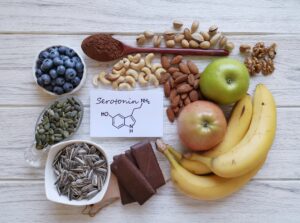 In addition to pharmaceuticals, natural supplements like tryptophan and 5-hydroxytryptophan (5-HTP) aim to increase serotonin levels naturally. However, it is essential for individuals to consult healthcare professionals before starting any supplement regimen to ensure safety and effectiveness.
Diet and lifestyle choices also play a crucial role in enhancing serotonin levels. A balanced diet rich in tryptophan, combined with practices that promote gut health, can contribute positively to serotonin production. Furthermore, engaging in mindfulness, meditation and regular exercise has been shown to have beneficial effects on serotonin levels.
Psychotherapy, Cognitive Behavioral Therapy (CBT) and other therapeutic modalities can help address the underlying emotional issues that contribute to serotonin dysregulation. By integrating these various approaches, it can be possible to achieve a more balanced and healthier mood.
Serotonin: Bridging Mind and Body for Enhanced Health
Is serotonin a neurotransmitter or is serotonin a hormone? Serotonin’s dual role as both a neurotransmitter and hormone-like substance underscores its importance in maintaining mental and physical health. Its intricate mechanisms offer insights into various health conditions, particularly those related to mood and digestion. While much about serotonin remains to be understood, its significance in the body’s biological processes is undeniable. Understanding this vital biochemical allows for more targeted treatments and approaches to enhance mood, digestion, cardiovascular health and overall well-being.