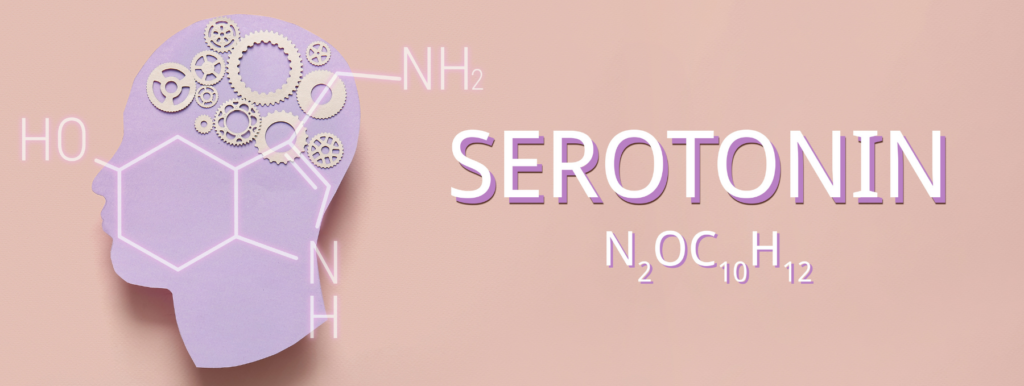
Serotonin is a key neurotransmitter that helps regulate mood, sleep, appetite and several other physiological processes. The body makes serotonin from the amino acid L‑tryptophan through a two‑step enzymatic process, and those steps require certain vitamins and cofactors to work. That means certain supplements can affect serotonin by supplying precursors (like L‑tryptophan or 5‑HTP) or cofactors (for example, vitamin B6 and, indirectly, niacin). Here, we will delve into the biochemistry behind serotonin production, how specific supplements fit into the process, what clinical evidence says, safety considerations and practical guidance for anyone considering using natural supplements for serotonin deficiency.
How Serotonin is Synthesized
 Serotonin (5‑hydroxytryptamine, or 5‑HT) is produced primarily in two places: by neurons within the raphe nuclei of the brain and by enterochromaffin cells in the lining of the digestive tract. Serotonin is made from the amino acid L‑tryptophan in two enzymatic steps. First, the enzyme tryptophan hydroxylase (TPH) converts L‑tryptophan into 5‑hydroxytryptophan (5‑HTP). Then, the enzyme aromatic L‑amino acid decarboxylase — which needs vitamin B6 in its active form to work — removes a carboxyl group from 5‑HTP to produce serotonin (5‑HT).
Because tryptophan is an essential amino acid, its availability depends on dietary intake and on competition with other amino acids for transport across the blood–brain barrier. How much tryptophan becomes serotonin depends on three things: how active the enzymes that make serotonin are, whether the necessary helper vitamins (cofactors) are available, and whether the body diverts tryptophan into other pathways (for example, the kynurenine pathway) instead.
5‑HTP: the Direct Precursor
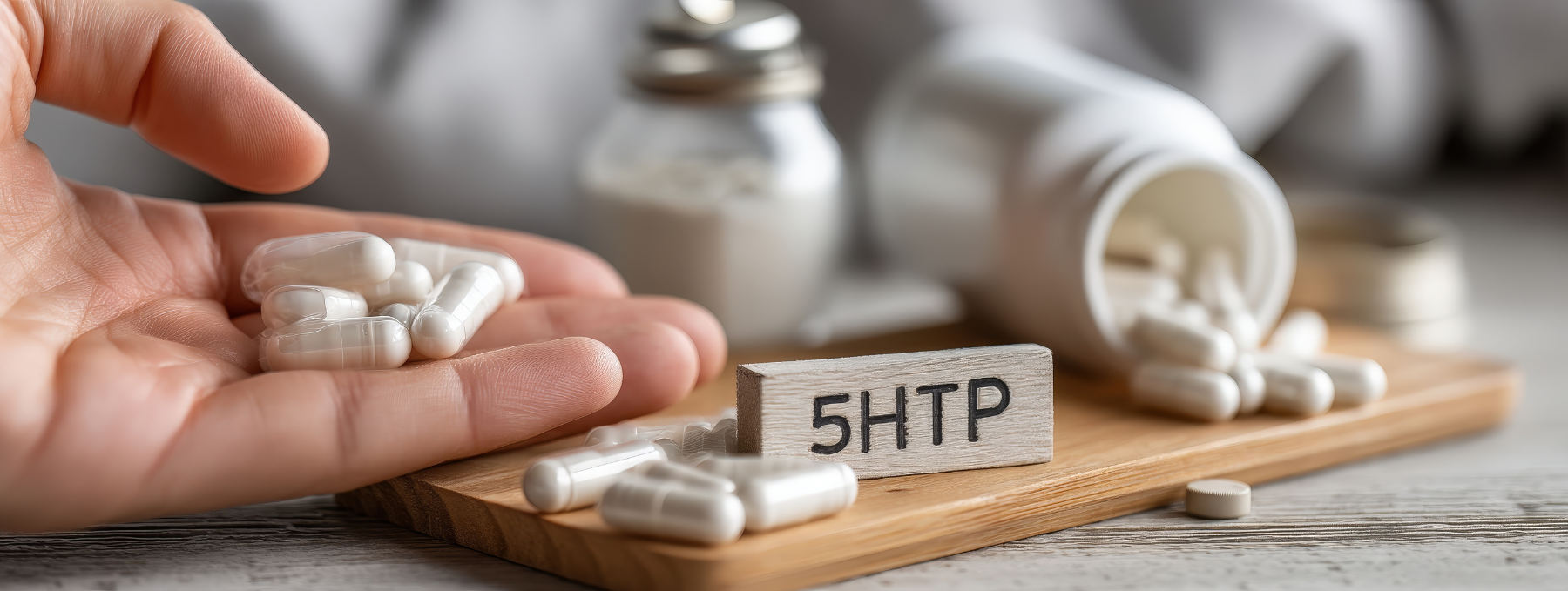
5‑HTP is the direct precursor to serotonin, making it one step closer than tryptophan. 5-HTP supplements are often derived from the seeds of the West African shrub Griffonia simplicifolia. When you take 5‑HTP by mouth, the body converts it into serotonin using the enzyme aromatic L‑amino acid decarboxylase (found in the brain and other tissues), so ingesting 5‑HTP skips the slower chemical step that normally turns tryptophan into 5‑HTP.
Evidence
Clinical trials and meta‑analyses show mixed results but suggest that 5‑HTP can have antidepressant and sleep‑improving effects in some people, particularly in the short term. Study limitations include small sample sizes, short durations and variable product quality. Nonetheless, the mechanistic rationale is strong: Supplying the immediate precursor 5-HTP can increase serotonin synthesis when other factors such as transport into the brain and enzyme function are not limiting.
Safety and Interactions
The main risk of 5-HTP supplementation is interaction with prescription serotonergic medications (SSRIs, SNRIs, MAOIs, some triptans and opioids), which can raise the risk of serotonin syndrome — a potentially serious condition. Common side effects of 5-HTP include gastrointestinal upset and vivid dreams. It is important to note that product purity varies across manufacturers.
Practical note: For people not taking serotonergic drugs, low‑to‑moderate 5‑HTP (commonly 50–300 mg/day) may provide symptom relief for mood or sleep in some cases, but medical oversight is advised if symptoms are severe or persistent.
L‑tryptophan: The Starting Substrate
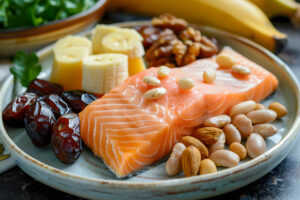
L‑tryptophan is an essential amino acid obtained from protein in the diet. It must first be hydroxylated — meaning a hydroxyl or -OH group is added — by the enzyme tryptophan hydroxylase to form 5‑HTP, making it one step further from serotonin than 5‑HTP. Transport of tryptophan into the brain competes with other large neutral amino acids, and that competition can be influenced by meals. For example, carbohydrate intake can transiently raise brain tryptophan by increasing insulin and shifting competing amino acids into muscle.
Evidence
Research on tryptophan for mood and sleep goes back decades. Some trials report antidepressant or sleep benefits, while others show little effect. Tryptophan can be a slower, more gradual way to influence serotonin because he body first has to add an —OH group and because tryptophan must compete with other amino acids to get into the brain.
 Safety and Interactions
Like 5‑HTP, tryptophan can contribute to serotonin syndrome if combined with serotonergic drugs. Historical contamination incidents (eosinophilia‑myalgia syndrome in the late 1980s) highlight the importance of sourcing from reputable manufacturers. Typical supplemental doses studied range from about 500 mg to 2,000 mg daily.
Practical note: Tryptophan is often considered when people prefer a dietary‑like approach to boosting serotonin precursors; its effects may be subtler and more dependent on overall dietary and metabolic context than 5‑HTP.
Vitamin B6: the Essential Enzymatic Cofactor
Vitamin B6, in its active form pyridoxal‑5‑phosphate (P5P), is a required cofactor for aromatic L‑amino acid decarboxylase — the enzyme that converts 5‑HTP into serotonin. Without adequate B6, the final conversion step can be less efficient, meaning that supplying precursors alone without also including vitamin B6 might not yield optimal serotonin production.
Evidence
Direct clinical trials of isolated vitamin B6 for depression are limited and mixed. However, studies and lab findings show B6 is needed to make neurotransmitters. If you’re low in B6, neurotransmitter production falls, and fixing the deficiency can improve mood and nervous‑system symptoms. Many trials that test B‑vitamin interventions use combinations, making it harder to isolate B6’s specific contribution.
Safety and Interactions
At typical supplemental doses (e.g., 5–50 mg/day), vitamin B6 is generally safe. Chronic very high doses (>100–200 mg/day) have been associated with sensory neuropathy in some individuals; therefore, long‑term high dosing should be avoided without medical supervision.
Practical note: If you plan to take 5‑HTP or tryptophan, ensuring adequate B6 (within safe supplement ranges) supports the enzymatic step that produces serotonin and is a reasonable, low‑risk adjunct.
Niacin (vitamin B3): An Indirect but Important Influence
Niacin (vitamin B3) is a precursor to NAD+ and NADP+, coenzymes cells use for energy and many enzymatic reactions. The body can also turn tryptophan into niacin via the kynurenine pathway, so if niacin is low the body may use more tryptophan to make niacin instead of serotonin. Severe niacin deficiency (pellagra) causes symptoms like depression and cognitive changes, demonstrating a direct link between B3 status and brain function.
Evidence
There’s strong clinical evidence that correcting niacin deficiency resolves the mood and cognitive symptoms of pellagra, but little high‑quality evidence supports high‑dose niacin as a general treatment for mood disorders. Niacin’s main role is keeping basic metabolism working and preventing the body from using tryptophan to make niacin instead of serotonin — it’s not usually a direct serotonin booster unless you are deficient.
Safety and Interactions
Niacin causes flushing at common therapeutic doses; high doses can also affect liver function and glucose metabolism. Niacinamide (nicotinamide) does not cause flushing and is used in many supplements. Routine high‑dose niacin for mood without medical supervision is not recommended.
Practical note: Maintain adequate dietary niacin or standard multivitamin intake to support overall metabolism. Only correct documented deficiency or use higher therapeutic doses under medical guidance.
Practical Guidance: Putting it All Together
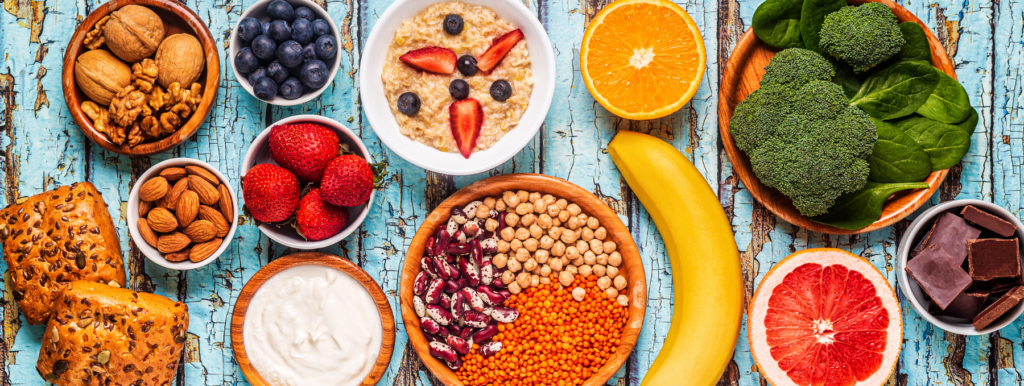
 When it comes to taking supplements for serotonin deficiency, aim first to cover basics with food and tests, then add targeted supplements carefully. Be sure to eat adequate protein to supply tryptophan and make sure key cofactors (vitamin B6, B3/niacin, folate, B12) are sufficient, since they help the enzymes that turn tryptophan into serotonin.
If mood symptoms are persistent, get a clinical evaluation and basic labs such as thyroid, B12, vitamin D and others as recommended before starting supplements. Never combine 5‑HTP or tryptophan with prescription serotonergic drugs (SSRIs, SNRIs, MAOIs, certain triptans or opioids) without medical supervision because of the risk of serotonin syndrome. Also use caution if you have bipolar disorder, as some precursors and herbs can trigger mania. Choose reputable supplement brands with third‑party testing to reduce contamination risk and ensure accurate dosing.
Natural Supplements Support Serotonin Production
5‑HTP and L‑tryptophan supply the biochemical building blocks for serotonin, while vitamin B6 is essential for converting those precursors into active serotonin and niacin supports broader metabolic pathways that decide whether the body uses tryptophan to make energy‑related compounds or converts it into serotonin. Together, these nutrients form a logical, physiologically based approach to supporting natural serotonin production.