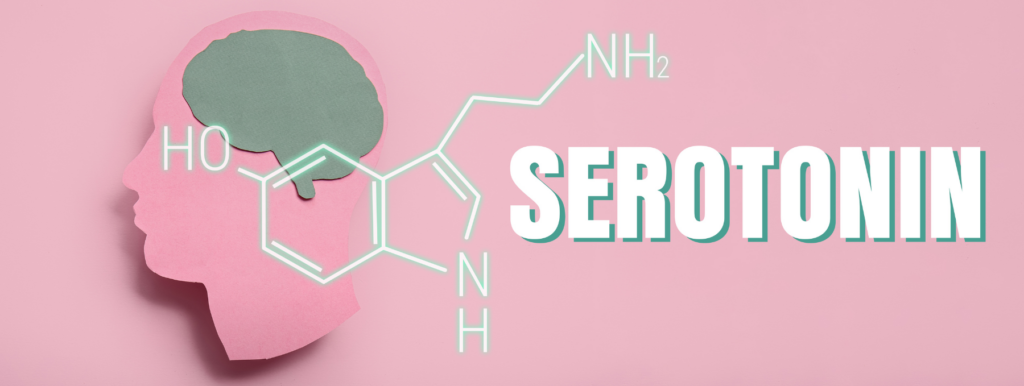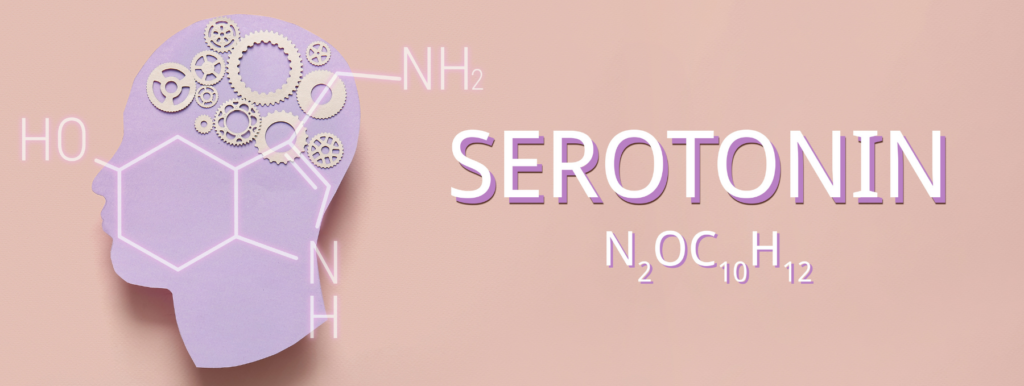

Griffonia simplicifolia is a West African shrub whose seeds provide a concentrated natural source of 5‑hydroxytryptophan (5‑HTP), a biochemical step on the path to serotonin synthesis. In supplement form, Griffonia simplicifolia has become a popular option for people seeking mood support, better sleep, appetite control and more. Here we will discuss what 5‑HTP is, how it relates to tryptophan and serotonin, what serotonin does in the body and how Griffonia simplicifolia can be an effective natural way to support healthy serotonin levels.
What is 5‑HTP?
 5‑HTP is a naturally occurring compound that the body makes from the amino acid tryptophan. It’s the immediate precursor to serotonin, the neurotransmitter involved in mood, sleep, appetite and other functions. In dietary supplements 5‑HTP is usually obtained from the seeds of the West African plant Griffonia simplicifolia. Unlike when ingesting tryptophan from food, consuming 5‑HTP skips one metabolic step, as 5-HTP is converted more directly into serotonin.
When taken orally, 5-HTP crosses into the brain and can raise serotonin production both centrally (in the brain) and peripherally (in the gut and elsewhere). Common reasons to supplement with 5-HTP include short‑term support for mood, sleep, appetite control and some pain conditions. It’s important to note that 5-HTP can cause side effects such as nausea, vivid dreams and drowsiness and can also interact with other serotonergic drugs.
What is Serotonin and What Does it Do?
Serotonin (5‑hydroxytryptamine, 5‑HT) is a neurotransmitter and signaling molecule that is present throughout the central nervous system and elsewhere in the body. Serotonin influences many physiological processes: It helps regulate mood and emotional stability, and changes in how serotonin is produced, released or received in the brain (the “serotonergic” system) have been strongly correlated to depression and anxiety. Indeed, many antidepressants such as SSRIs and SNRIs act by increasing serotonin activity.
Serotonin is also a biochemical precursor to melatonin, so it also plays a role in regulating the circadian rhythm and influencing sleep onset and architecture. Appetite and satiety are affected by serotonin as well—higher serotonin signaling tends to reduce appetite and carbohydrate craving and promote feelings of fullness. In pain pathways, serotonin is involved in pain perception and modulation, and disruptions in serotonin signaling have been linked to chronic pain syndromes such as fibromyalgia.
Most of the body’s serotonin is found in the gut, where it regulates intestinal motility, secretion and sensation. Serotonin also affects cardiovascular function and is stored in platelets, where it contributes to clotting responses. Serotonin works by attaching to over a dozen different kinds of receptor types that are spread across different body tissues. Because each receptor does a different job, changing serotonin levels can affect many different systems (mood, sleep, digestion, blood vessels, etc.), which helps explain why changes in serotonin levels can produce wide‑ranging and sometimes unpredictable effects.
How 5‑HTP and Tryptophan Relate to Serotonin Synthesis
The biochemical pathway from dietary consumption to serotonin involves two main steps. First, the essential amino acid tryptophan, present in a variety of foods, is converted to 5‑hydroxytryptophan (5‑HTP) by the enzyme tryptophan hydroxylase. This process, called hydroxylation, involves adding an OH group to tryptophan to make 5-HTP. Hydroxylation is the slowest, limiting step in serotonin synthesis and requires oxygen plus a helper molecule called tetrahydrobiopterin. Next, 5‑HTP loses a small chemical group (a CO2) in a reaction carried out by the enzyme aromatic L‑amino‑acid decarboxylase, which converts it into serotonin.
Because tryptophan must be hydroxylated to 5‑HTP during serotonin synthesis, taking 5‑HTP directly as a supplement bypasses that rate‑limiting step and can, in some circumstances, produce more efficient increases in serotonin. Tryptophan also competes with other large neutral amino acids (LNAAs) for transport across the blood–brain barrier, so high‑protein meals can reduce the uptake of tryptophan in the central nervous system. Conversely, 5‑HTP is transported differently and is less affected by dietary protein competition. In short: 5‑HTP supplements may potentially increase central serotonin more predictably than tryptophan or dietary changes alone.
Common Uses and Evidence
 People utilize Griffonia‑derived 5‑HTP for several reasons, including to support mood and relieve mild depressive symptoms, improve sleep quality, reduce appetite and aid short‑term weight loss, ease symptoms of certain pain conditions like fibromyalgia and help prevent or lessen some types of headaches and migraines. Here are just some of its common uses:
- Mood and depression: Some randomized trials and meta‑analyses suggest 5‑HTP may improve depressive symptoms versus placebo, though study sizes and quality vary. Effects are often compared with standard antidepressants but evidence is not as robust or consistent as it is for prescription therapies.
- Sleep: Because 5‑HTP can increase serotonin and hence melatonin production, some find it helps with sleep onset and quality. Results are mixed; benefits are more likely when combined with melatonin or when used short term.
- Appetite control and weight loss: 5‑HTP has been reported to reduce calorie intake and promote early satiety in small trials, which may support short-term weight loss.
- Fibromyalgia and pain: Some studies show symptom improvement in fibromyalgia with 5‑HTP, including pain, sleep and fatigue, but trials are limited and not definitive.
- Migraines and headaches: Evidence is preliminary; 5‑HTP has been evaluated for migraine prevention with mixed results.
Overall, while there is promising clinical data for several uses, 5‑HTP is not universally proven and should not replace evidence‑based medical care for serious psychiatric or medical conditions. Many clinical trials involving 5-HTP are small, short-term or of variable quality.
Safety, Side Effects and Interactions
Safety considerations for 5‑HTP include several dose‑dependent side effects and important interactions. Common adverse effects are gastrointestinal symptoms like nausea, vomiting, diarrhea and abdominal pain, as well as drowsiness, dizziness and vivid dreams. These side effects tend to increase with higher doses. Because 5‑HTP raises serotonin production, combining it with other serotonergic agents—such as SSRIs, SNRIs, MAOIs, certain migraine drugs (triptans), some opioids (e.g., tramadol), St. John’s wort and similar medications or supplements—can increase the risk of serotonin syndrome, a potentially life‑threatening condition. For this reason, such combinations should be avoided or used only under medical supervision.
Use during pregnancy or breastfeeding is not recommended without medical advice due to limited safety data. Long‑term safety data are sparse. Historically, eosinophilia‑myalgia syndrome (EMS) was linked to contaminated tryptophan supplements in the 1980s, and while modern manufacturing reduces this risk, product purity remains important. In addition to serotonergic interactions, 5‑HTP may interact with drugs that affect platelet function or blood pressure, so check with a clinician, pharmacist or a reliable interaction checker before combining it with other medications.
Choosing a Quality Griffonia Simplicifolia Supplement
 When choosing a Griffonia simplicifolia supplement, look for products from manufacturers that provide third‑party purity testing for contaminants, heavy metals and batch consistency. Transparent labeling that clearly lists Griffonia content, serving size and inactive ingredients is important, and you should avoid proprietary blends that obscure the actual dose.
Practically, treat 5‑HTP as a short‑term adjunct for mood, sleep, appetite or pain while discussing longer‑term management with a healthcare professional. Never combine 5‑HTP with prescription antidepressants or other serotonergic medicines without medical supervision. Seek immediate medical care if you develop signs of serotonin syndrome such as agitation, rapid heart rate, high blood pressure, dilated pupils, muscle rigidity, hyperreflexia or high fever.
Griffonia Simplicifolia: Promising Natural Serotonin Support
5‑HTP from Griffonia simplicifolia provides a plant‑derived precursor to serotonin that can increase central and peripheral serotonin production more directly than dietary tryptophan. Evidence supports potential benefits for mood, sleep, appetite control and some pain conditions, but studies vary in quality and size. Safety considerations—especially interactions with serotonergic drugs—mean that any supplement that support healthy 5‑HTP levels should be used thoughtfully and under professional guidance when combined with other medications.