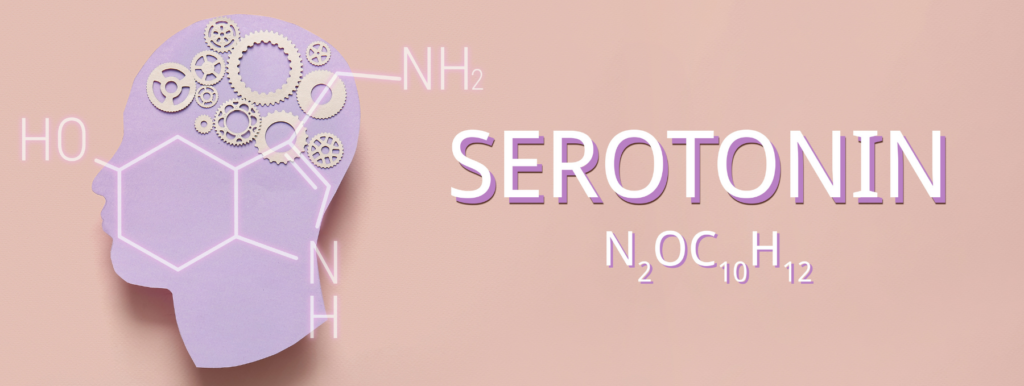
Serotonin is an important neurotransmitter that regulates mood, sleep, appetite and various other body functions. Maintaining adequate serotonin levels is crucial to overall good health, and a serotonin deficit can cause symptoms such as anxiety, mood changes, poor sleep, difficulty concentrating, metabolic problems and more. Serotonin is often discussed as if levels of this important neurotransmitter can be low for one specific reason. However, the term “serotonin deficit” is often a shorthand people use to describe lower serotonin activity or symptoms linked to serotonin dysregulation, like low mood, anxiety and sleep changes, not necessarily a single measurable shortage of serotonin. In reality, serotonin is part of a larger brain-and-body system that depends on many factors—serotonin building blocks, nutrients, sleep quality, stress regulation and overall nutrition. When it comes to low serotonin, nutrient gaps can matter because serotonin is made through a series of biochemical steps, and certain deficiencies can disrupt these steps. Thus, for general wellness, a nutrient-dense diet and targeted supplements (when appropriate) are the practical approach.
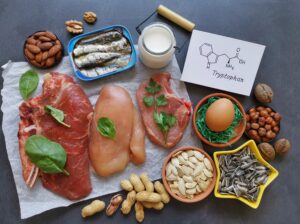 Tryptophan: The Initial Building Block
Serotonin is made from an amino acid called tryptophan. Since your body can’t create tryptophan on its own, it must be obtained from the foods you eat or from the breakdown of protein in your body. If your diet is consistently low in high-quality protein or overly restrictive, you may not be getting enough tryptophan substrate for serotonin-related processes. Good food sources of tryptophan include turkey, chicken, eggs, fish, dairy, soy foods, legumes and seeds and nuts. If you’re not sure where to start when it comes to ensuring that you’re getting enough tryptophan, improving overall protein adequacy usually comes before considering tryptophan supplements.
Vitamin B6: Helps Convert Tryptophan Into Serotonin
Vitamin B6 is an important vitamin because it’s required for the enzyme activity involved in converting tryptophan into serotonin. If B6 intake is low, serotonin synthesis can be less efficient. B6 is found in many foods, including fish like tuna and salmon, poultry, potatoes, bananas, chickpeas/legumes and spinach and leafy greens, plus some fortified cereals. Supplementing with B6 can be useful in cases of confirmed or likely deficiency, but very high doses over time can cause nerve-related side effects, so it’s best not to megadose.
Folate (Vitamin B9): Supports Serotonin-Related Pathways
Folate is involved in methylation and neurotransmitter-related metabolism, which can influence normal brain function. Low folate is associated with mood symptoms in some people and can impair related biochemical pathways. Folate food sources include leafy greens like spinach, kale and romaine, beans and lentils, asparagus, avocado, Brussels sprouts, citrus fruits and fortified grains. Folate deficiency is often easiest to address through diet, especially if you regularly eat legumes and vegetables.
Vitamin B12: Strongly Linked to Mood and Neural Function
Vitamin B12 supports neural function and related biochemical systems, and B12 deficiency can be associated with depression-like symptoms and neurologic issues in some people. B12 is mainly found in animal foods and fortified products. Strong food sources include meat, fish and seafood, eggs, dairy, fortified plant milks and fortified nutritional yeast (more common for vegans). People at higher risk of B12 deficiency include vegans, strict vegetarians, older adults (who may absorb less) and people with certain stomach or intestinal conditions. If B12 is a concern, blood testing can guide supplementation so you can correct a gap without guessing.
Iron: A Common Driver of Fatigue, Sleep Disruption and Mood Changes
Iron doesn’t contribute directly to the production of serotonin, but it supports brain function and neurotransmitter metabolism. Iron deficiency can create symptoms that overlap with serotonin-related patterns—especially fatigue, low energy and restless sleep, all of which can worsen mood. Iron deficiency is widespread and often addressable. Iron comes in two forms: heme iron (from red meat, poultry and fish), which is absorbed more efficiently, and non-heme iron (from plants like lentils, beans, tofu, chickpeas, spinach, pumpkin seeds and fortified cereals). To improve non-heme iron absorption, pair iron-rich foods with foods containing vitamin C, such as citrus, berries, tomatoes and bell peppers. Iron supplements should ideally follow lab confirmation of iron deficiency because taking iron without need can cause side effects and too much iron can be harmful.
Magnesium: Supports Nervous System and Stress/Sleep Regulation
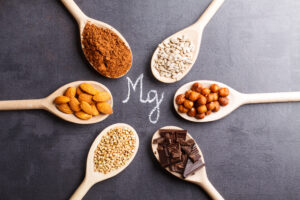 Magnesium plays a role in nerve signaling, muscle relaxation and stress-related biology. Low magnesium is often associated with poorer sleep quality, tension and higher stress reactivity, all of which can feel like symptoms of low serotonin even though magnesium’s mechanism is broader. Food sources of magnesium include pumpkin seeds, almonds and cashews, beans and lentils, cocoa/dark chocolate, whole grains like oats and quinoa, leafy greens, and avocado. For many people, magnesium supplementation can be helpful if dietary intake is low or if sleep and tension are persistent issues. Common forms include magnesium glycinate, often chosen for nighttime use, and magnesium citrate, which can be more likely to cause looser stools. Start conservatively and adjust based on tolerance.
Zinc: Supportive Impact on Brain and Immune/Inflammation Balance
Zinc is involved in brain function and neurotransmitter-related processes, and zinc deficiency can contribute to mood changes and immune/inflammatory issues that can affect emotional wellbeing. Zinc sources include oysters and shellfish, beef and poultry, beans and lentils, chickpeas, pumpkin seeds, dairy, eggs and whole grains. Zinc supplements are common, but long-term high-dose zinc can interfere with copper balance. For general wellness, focus on food first and supplement only when intake is likely low or testing suggests a deficiency.
Vitamin D: Mood Support Through Indirect Pathways
Vitamin D isn’t a direct serotonin-building nutrient like B6 or folate, but it’s strongly connected to mood and brain health through immune and cell-signaling pathways. Low vitamin D is associated with depressive symptoms in many studies. Food sources are limited but include fatty fish like salmon or sardines, egg yolks, fortified milk or fortified plant milks, fortified yogurt and fortified cereals. Sun exposure can help the body make vitamin D, but it depends on latitude, season, skin tone and sunscreen use. When deficiency is suspected, testing helps guide dosing.
How to Prioritize What Might Be Missing
Because many nutrients overlap in how they affect fatigue, low mood and poor sleep, it’s helpful to prioritize logically instead of trying to add many different nutrients at once. A good way to start is by looking at diet pattern risks and symptom overlap. For example, if you eat little protein or highly restrict food intake, tryptophan and overall protein quality may be relevant. If you’re vegetarian or vegan, B12 becomes a primary consideration, and you may also need to pay attention to B6, folate and zinc depending on what you eat.
If your diet lacks legumes and leafy greens, folate may be low. If you have heavy menstrual bleeding, do endurance training or experience fatigue or restless sleep, iron deficiency risk is higher. If you eat few nuts, seeds, or whole grains and struggle with sleep or always feel “wired,” your magnesium intake might be insufficient. If possible, labs can make this process more precise—especially for detecting deficiencies in iron (often ferritin) and B12 and usually for vitamin D.
Food-First: A Simple Serotonin Support Meal Framework
For general wellness, you don’t necessarily need to track actual serotonin levels. You can support common nutrient gaps by building meals that repeatedly include key contributors to serotonin production. Aim for:
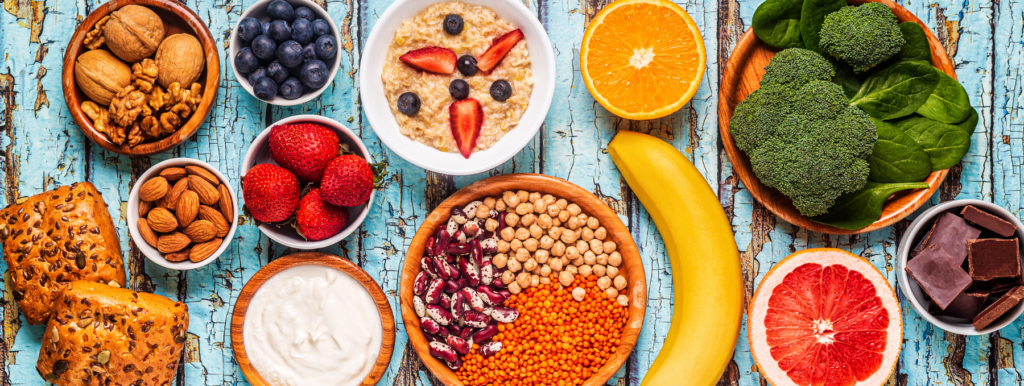
- Quality protein (eggs, fish, poultry, tofu, yogurt, beans)
- Folate-rich foods (leafy greens, lentils, asparagus, beans)
- B6-supportive foods (fish, poultry, chickpeas, potatoes)
- Magnesium-rich foods (seeds, nuts, beans, whole grains, leafy greens)
- Vitamin C alongside iron-rich meals (fruit or vegetables like citrus, berries, tomatoes, peppers)
This approach can be effective because it supports more than one pathway to influence mood, sleep, and stress regulation.
 Supplements: When They Make Sense (and When They Don’t)
Supplements can be helpful when they’re used to correct a likely gap. A generally sensible approach is to consider supplementing with B12 if you don’t reliably eat animal foods or if you have absorption risk factors. Consider iron supplementation only if a deficiency is suspected and ideally only when confirmed with lab testing. Consider magnesium supplements if your diet is low in magnesium-rich foods and if issues like poor sleep or ongoing tension are present. Consider taking vitamin D if you get limited sun exposure or if testing suggests low levels. It’s also best to avoid “stacking” many high-dose supplements at the same time—especially B6, iron, zinc and vitamin D—because too much of certain nutrients can cause side effects.
Nutrients and Vitamins Increase Serotonin
Nutrient deficiencies that are commonly linked to low serotonin patterns or serotonin-related mood and sleep issues include tryptophan, vitamin B6, folate, vitamin B12, iron and magnesium. Additionally, zinc and vitamin D sometimes play supportive roles. The most practical strategy for general wellness is to focus on a nutrient-dense diet—enough quality protein, plenty of leafy greens and legumes, iron-rich foods with vitamin C and magnesium-rich foods—then use targeted supplements when there’s a clear reason and, when possible, lab confirmation.