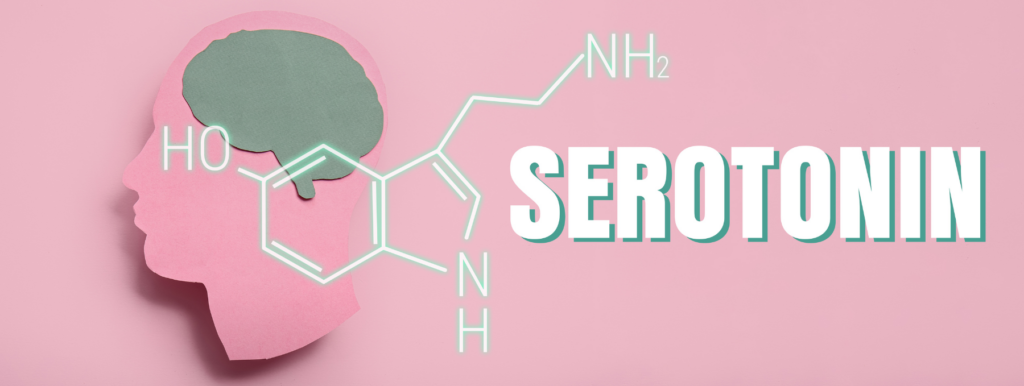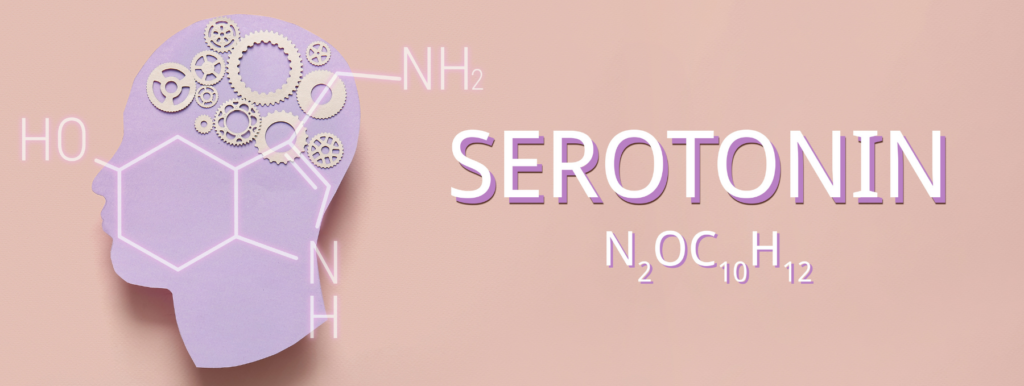

When people think of serotonin, they often associate it with mood, happiness and emotional well-being. While serotonin certainly plays a vital role in mental health, its influence extends far beyond emotions. One of its lesser-known but equally important functions is helping to regulate appetite and eating behavior. The relationship between serotonin and appetite is complex, involving communication between the brain, digestive system and several hormones that help determine when you feel hungry and when you’ve had enough to eat. Scientists have spent decades studying how serotonin affects hunger, satiety, food cravings and even body weight. Understanding the connection between serotonin and appetite can provide valuable insight into why your eating habits may change during periods of stress, illness or treatment with certain medications. It also highlights why appetite regulation is about much more than willpower alone.
 What Is Serotonin?
Serotonin, also known as 5-hydroxytryptamine (5-HT), is a neurotransmitter—a chemical messenger that allows nerve cells to communicate with one another. It plays an essential role in regulating numerous bodily functions, including:
- Mood and emotional health
- Sleep and circadian rhythms
- Memory and learning
- Digestion
- Body temperature
- Sexual function
- Appetite and satiety
Interestingly, approximately 90–95% of the body’s serotonin is produced in the gastrointestinal tract, where it helps regulate digestion and intestinal movement. The remainder is produced in the brain, where it influences mood, behavior and appetite. Although both systems rely on serotonin, the serotonin produced in the gut does not cross into the brain, meaning each serotonin pool serves distinct functions.
How Serotonin and Appetite Are Connected
The connection between serotonin and appetite begins in the brain, specifically in an area called the hypothalamus. This region acts as the body’s appetite control center, constantly monitoring signals about energy stores, blood sugar levels, nutrient availability and hormone activity. Serotonin helps the hypothalamus interpret these signals and influences whether you continue eating or begin to feel satisfied after a meal.
Rather than acting as a simple “on” or “off” switch for hunger, serotonin fine-tunes appetite by strengthening satiety signals. In other words, it helps the brain recognize when enough food has been consumed. This is why serotonin is often described as one of the body’s natural appetite regulators.
How Serotonin Promotes Feelings of Fullness
One of the most well-established links between serotonin and appetite is serotonin’s ability to increase satiety, or the feeling of fullness after eating. When serotonin activity increases in certain brain regions, many people experience feeling full sooner during meals, eating smaller portions, reduced desire to snack between meals and lower overall calorie intake.
Researchers have identified several serotonin receptors involved in appetite regulation; particularly the 5-HT2C receptor. When this receptor is activated, it stimulates nerve cells that suppress hunger and encourage feelings of fullness. This natural feedback system helps prevent overeating and contributes to maintaining a healthy energy balance.
Can Low Serotonin Increase Appetite?
Many researchers believe that reduced serotonin activity may contribute to increased appetite in some individuals. When serotonin signaling is lower, the brain may become less responsive to satiety cues, making it more difficult to recognize when enough food has been consumed. As a result, some people may experience more frequent hunger, stronger food cravings, difficulty feeling full and a greater tendency to overeat.
However, the relationship between serotonin and appetite is not always straightforward. Appetite is influenced by a wide range of biological, psychological and environmental factors, including stress, sleep quality, hormones, medications and lifestyle. Because of these influences, two people with similar serotonin levels may have very different eating behaviors.
Serotonin and Carbohydrate Cravings
 One fascinating aspect of serotonin and appetite involves carbohydrate cravings. Serotonin is produced from an amino acid called tryptophan, which must be obtained through the diet. After eating carbohydrates, insulin helps move many amino acids into muscle tissue while leaving relatively more tryptophan available in the bloodstream. This increases tryptophan’s ability to enter the brain, where it can be converted into serotonin. Because of this process, carbohydrate-rich foods may temporarily increase serotonin production in the brain, potentially improving mood for some people.
This mechanism may partially explain why people often crave foods like bread, pasta or sweets during stressful or emotionally difficult periods. However, serotonin is only one factor involved in food cravings. Habits, emotions, sleep deprivation and the brain’s reward system also play significant roles.
Mood, Stress and Emotional Eating
The relationship between serotonin and appetite extends beyond physical hunger. Emotional health can also influence eating patterns. Low serotonin activity has been associated with conditions such as depression and anxiety. These conditions may affect appetite in different ways.
Some individuals respond to stress or depression by eating more, particularly foods high in sugar or fat that activate the brain’s reward pathways. Others lose interest in food altogether and struggle to maintain adequate nutrition. This variation demonstrates that serotonin affects appetite differently from person to person. Genetics, mental health, hormone levels and life experiences all shape individual responses.
How Antidepressants Affect Appetite
Because serotonin influences appetite, it isn’t surprising that medications that affect serotonin can also change eating habits. Selective serotonin reuptake inhibitors (SSRIs) increase serotonin signaling by slowing the reabsorption of serotonin between nerve cells. For some people, SSRIs initially reduce appetite and promote earlier feelings of fullness. Others notice little change. Over longer periods, some individuals experience increased appetite and weight gain, while others maintain stable body weight or even lose weight.
Researchers believe these differences occur because serotonin interacts with many brain circuits involved in metabolism, reward and energy regulation. In some cases, improvements in mood may also restore a healthy appetite that was previously reduced by depression.
Serotonin Is Only One Part of Appetite Regulation
Although the relationship between serotonin and appetite is important, serotonin is just one component of a complex network that regulates food intake. It works alongside several hormones and neurotransmitters that help control hunger, fullness and energy balance. For example, leptin signals that the body has sufficient energy stored and helps reduce appetite, while ghrelin—often called the “hunger hormone”—stimulates hunger before meals.
Insulin not only regulates blood sugar levels but also influences hunger signals in the brain. Glucagon-like peptide-1 (GLP-1) helps slow stomach emptying and promotes feelings of fullness, and dopamine contributes to the rewarding and motivational aspects of eating. Together, these hormones and neurotransmitters constantly communicate to help the body balance energy intake with its energy needs.
Supporting Healthy Serotonin Function
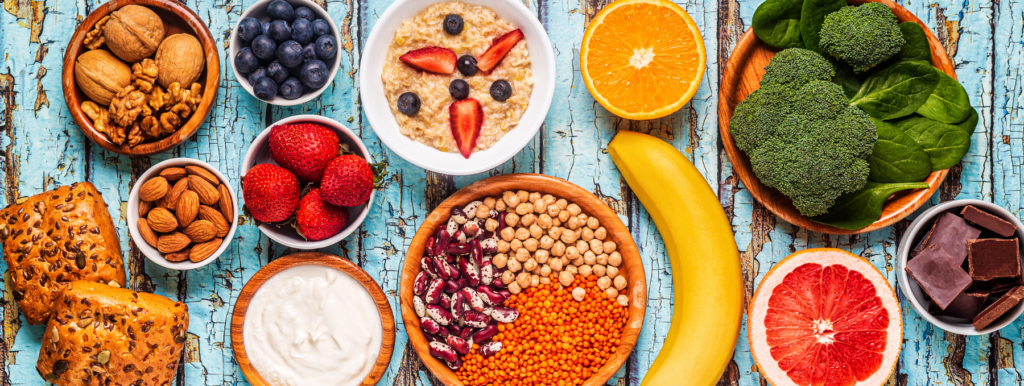
While there is no single food or supplement that can dramatically increase brain serotonin levels, several lifestyle habits may help support healthy serotonin production and overall appetite regulation. Eating a balanced diet that provides adequate protein is important because protein contains the amino acids needed to produce neurotransmitters. Foods rich in tryptophan—including poultry, eggs, dairy products, tofu, legumes, nuts and seeds—can help supply the body with the building blocks needed to synthesize serotonin.
 Some people also choose to take supplements containing tryptophan or 5-hydroxytryptophan (5-HTP), both of which are precursors to serotonin. While these supplements may increase serotonin production in certain situations, research on their effectiveness is mixed, and they are not appropriate for everyone. Because tryptophan and 5-HTP can interact with medications that affect serotonin—such as selective serotonin reuptake inhibitors (SSRIs) and other antidepressants—they should only be used under the guidance of a healthcare provider.
In addition to nutrition, regular physical activity, consistent high-quality sleep, effective stress management through techniques such as mindfulness or counseling and spending time outdoors during daylight hours to support healthy circadian rhythms may all contribute to healthy serotonin function. Together, these habits also support many of the other biological systems involved in appetite regulation and overall well-being.
Serotonin and Appetite: A Complex but Important Relationship
The relationship between serotonin and appetite is both fascinating and complex. Serotonin helps regulate hunger by strengthening feelings of fullness after eating, influencing food cravings and interacting with brain circuits involved in mood and reward. Higher serotonin activity is generally associated with increased satiety and reduced appetite, while lower serotonin activity may contribute to greater hunger or stronger cravings in some people. However, appetite is influenced by many factors beyond serotonin, including hormones, sleep, stress, physical activity, medications and overall health.
Understanding the connection between serotonin and appetite provides a clearer picture of how the body regulates food intake and why changes in appetite are often rooted in biology rather than simply self-control. By supporting healthy lifestyle habits and addressing underlying medical or mental health concerns when necessary, it is possible to promote healthier appetite regulation and overall well-being.