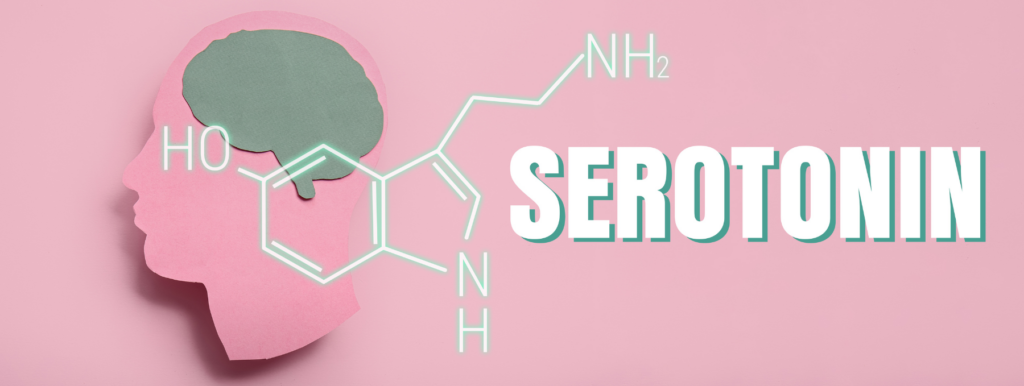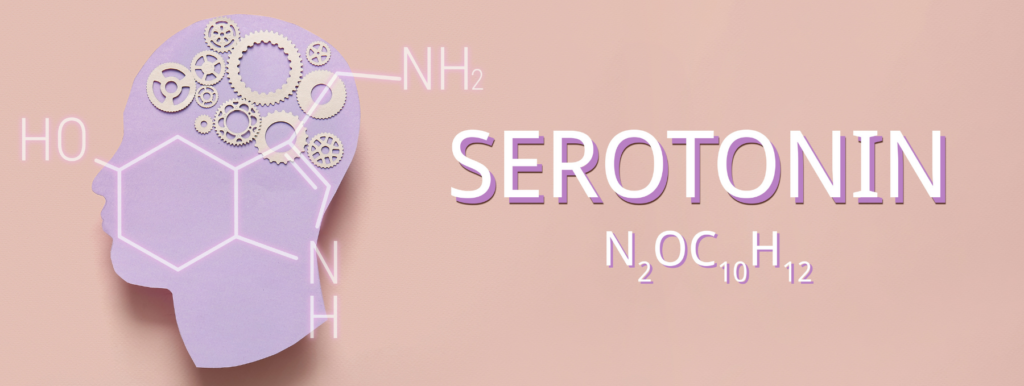

Synthesized from the amino acid tryptophan, serotonin, or 5-hydroxytryptamine (5-HT), is found primarily in the brain, blood platelets and gastrointestinal tract, with a whopping 90% produced in the gut. Serotonin is often dubbed the “feel-good” neurotransmitter, as it is known primarily for its role in mood regulation. However, its impact extends far beyond emotions: In addition to regulating mood, it plays a crucial role in cognitive function, sleep regulation, appetite control and more. As research continues to unveil the complexities of this versatile neurotransmitter, it becomes increasingly clear that maintaining balanced serotonin levels is vital for overall health and well-being. Below, we will examine seven essential functions of serotonin.
1. Mood Regulation
One of the most important functions of serotonin is its involvement in mood regulation. Serotonin directly impacts the emotional state, with balanced serotonin levels contributing to  feelings of happiness, well-being and overall emotional stability. Conversely, low serotonin levels have been linked to mood disorders such as depression and anxiety. Many antidepressants, particularly selective serotonin reuptake inhibitors (SSRIs), aim to increase serotonin levels in the brain by inhibiting the reuptake of serotonin. This allows for greater availability of serotonin at synaptic sites, which helps alleviate symptoms of depression and anxiety.
Serotonin does not operate in isolation; it interacts with other neurotransmitters, particularly dopamine. This interaction adds complexity to the relationship between mood and mental health. While serotonin helps stabilize mood and promotes feelings of well-being, dopamine is associated with motivation and reward. Therefore, maintaining a healthy balance between these neurotransmitters is essential for optimal mental health.
2. Cognitive Function
In addition to its influence on mood, serotonin plays a crucial role in cognitive processes, including memory, learning and attention. One of the key ways serotonin contributes to healthy cognitive function is through enhancing neuroplasticity, which is the brain’s ability to adapt and reorganize in response to new experiences. This adaptability is essential for both learning and memory formation, making it particularly vital as we age and cognitive decline poses an increasingly significant risk. What’s more, research has demonstrated that serotonin affects both the encoding and retrieval of memories. Increased availability of serotonin can lead to improved learning outcomes and better memory performance, highlighting its importance in educational settings and rehabilitation programs.
3. Sleep Regulation
Serotonin is intricately involved in regulating the sleep-wake cycle; it aids in the transition between wakefulness and sleep while also playing a significant role in regulating circadian rhythms, which are essential for proper sleep patterns. Elevated serotonin levels during the day promote alertness, whereas decreased levels at night contribute to feelings of sleepiness. Disruptions in serotonin production can lead to sleep disorders, adversely affecting overall quality of life.
Furthermore, serotonin serves as a precursor to melatonin, the hormone responsible for regulating sleep cycles. Adequate levels of serotonin are necessary for sufficient melatonin production, which is crucial for achieving restful sleep. Consequently, disturbances in either serotonin or melatonin levels can result in insomnia or other sleep-related disorders.
4. Appetite Control
Serotonin plays a significant role in regulating appetite and digestion. In particular, it influences hunger signals and ensures that the body receives proper nutrition by contributing to the complex interplay of hormones that signal hunger and satiety. Low serotonin levels can lead to increased cravings, particularly for sugary or carbohydrate-rich foods, and may trigger binge eating episodes. This phenomenon is frequently observed in people with mood disorders, where emotional eating becomes a coping mechanism to manage stress, anxiety or depression.
When serotonin levels are stabilized, it may become easier to regulate appetite and maintain a healthy weight. This stabilization helps to reduce uncontrollable cravings and compulsive eating patterns, ultimately fostering a more positive approach to nutritional habits and lifestyle choices. By incorporating foods that support serotonin production and engaging in activities that promote overall mental well-being, it is possible to improve one’s relationship with food, leading to long-term health benefits and enhanced quality of life.
5. Gut Health and Serotonin
 Interestingly, approximately 90% of the body’s serotonin is produced in the gut, highlighting the integral link between gut health and overall well-being. The gastrointestinal tract contains specialized cells that synthesize serotonin, which plays a crucial role in regulating intestinal motility and digestive processes. This connection underscores how a healthy gut microbiome is vital not only for digestion but also for maintaining balanced serotonin levels.
Conditions such as irritable bowel syndrome (IBS) can be significantly impacted by serotonin levels, as disruptions in serotonin signaling may exacerbate gastrointestinal symptoms like bloating, constipation and diarrhea. Therapies targeting serotonin pathways have emerged as potential treatments for such conditions, and could offer relief from discomfort while improving gut function. Moreover, a balanced gut microbiome may enhance serotonin production, creating a beneficial cycle where gut health supports mental well-being. This emphasizes the importance of dietary choices, as well as microbiome-supporting prebiotics and probiotics, in nurturing both gut and mental health.
6. Cardiovascular Function
Serotonin also contributes to the regulation of blood vessel constriction, thereby playing a significant role in cardiovascular health. It acts as a vasoconstrictor, affecting blood vessel tone and helping to maintain stable blood pressure. Proper serotonin function is essential for the circulatory system, as it aids in modulating vascular smooth muscle contractions, ensuring adequate blood flow and oxygen delivery to organs and tissues.
Dysregulation of serotonin can result in cardiovascular issues like hypertension or vascular disorders. Not only does an optimal balance of serotonin aid in maintaining cardiovascular stability but it also plays a part in preventing cardiovascular diseases. By supporting serotonin production through lifestyle choices — such as a healthy diet rich in tryptophan and engaging in regular physical activity — it is possible to enhance cardiovascular health while simultaneously benefiting mental well-being.
7. Pain Perception
Serotonin has notable analgesic properties, meaning it can help alleviate pain and modulate pain perception in the body. This function is particularly relevant in chronic pain syndromes such as fibromyalgia, where serotonin levels are often found to be dysregulated. By influencing pain pathways in the nervous system, serotonin can help regulate the intensity of pain signals sent to the brain, providing relief from discomfort.
Understanding serotonin’s role in pain modulation aid in the development of therapeutic approaches targeting the serotonin system for pain management. In short, enhancing serotonin levels, whether through lifestyle changes or pharmacological interventions, may offer a valuable strategy for those suffering from chronic pain conditions.
Strategies for Maintaining Balanced Serotonin Levels
Given serotonin’s critical roles, a serotonin deficiency can lead to numerous adverse health outcomes. Signs of low serotonin may include:
- Mood Disorders: Increased anxiety, depression and irritability.
- Cognitive Impairments: Memory issues and difficulties with concentration.
- Sleep Disturbances: Insomnia or disrupted sleep patterns.
- Appetite Changes: Increased cravings, along with potential weight gain or loss.
Understanding how to maintain balanced serotonin levels is crucial for optimal mental and physical health. Several strategies can be considered to achieve this balance. First, incorporating foods rich in tryptophan, such as turkey, eggs, nuts and seeds, can support serotonin production. Regular exercise is another effective strategy, as physical activity has been shown to increase serotonin levels, with aerobic exercises particularly enhancing mood and cognitive function.
 Additionally, exposure to natural light plays an important role in serotonin synthesis; spending time outdoors during daylight hours can positively influence mood and well-being. Managing stress is equally vital, as chronic stress can deplete serotonin levels. Engaging in stress-reducing practices such as mindfulness, meditation and yoga can enhance overall well-being and help maintain healthy serotonin levels. Lastly, some people may benefit from supplementation with 5-hydroxytryptophan (5-HTP), which directly supports serotonin production. However, in order to ensure safety and efficacy, it is essential to consult a healthcare professional before starting any supplement.
The Essential Functions of Serotonin in Promoting Health and Well-Being
Serotonin is a vital neurotransmitter that influences various aspects of physical and mental health. From regulating mood and cognitive function to managing appetite and physical health, maintaining balanced serotonin levels is crucial for overall well-being. Understanding the multifaceted functions of serotonin can lead to better strategies for enhancing mental health and quality of life, particularly for those facing mood disorders and cognitive decline. As research continues to uncover the complexities of this important neurotransmitter, it remains clear that ensuring optimal serotonin levels can be key to achieving optimal health and resilience.