
Gratitude is more than just a warm and fuzzy feeling. Over the past two decades researchers have tested whether gratitude—and the simple practices that cultivate it—can produce measurable changes in the brain and body that explain why people who are feeling thankful report better mood, less stress and greater well‑being. A common claim is that gratitude increases “feel‑good” neurotransmitters such as serotonin: a plausible idea, but with indirect evidence. Here, we will review the evidence, explain the mechanisms researchers propose might be at work and offer practical guidance for using gratitude as a mood‑support tool.
Research Approaches to Studying Gratitude
 Gratitude research has expanded rapidly over the past two decades, drawing from positive psychology, clinical trials, psychoneuroendocrinology and cognitive neuroscience. Gratitude studies fall into three main categories: behavioral/clinical trials, physiological measurements and neuroimaging/neurophysiology.
Early behavioral and clinical trials show that simple gratitude exercises—journaling, writing gratitude letters and keeping daily gratitude lists—produce reliable improvements in subjective well‑being. Those findings inspired clinical trials testing gratitude as a low‑cost intervention for mild-to-moderate depression and as an adjunct to psychotherapy.
Researchers have since varied the content, frequency and duration of gratitude protocols—comparing single gratitude letters, daily lists and guided gratitude journaling—to identify which formats produce the largest and most durable benefits. Meta-analyses find that these trials show small to moderate overall benefits for mood, life satisfaction and depressive symptoms, but results vary depending on how long the intervention lasted, whether participants were clinical or general population and what the gratitude was compared against.
Beyond self-report outcomes, physiological studies pair gratitude interventions with objective measures like sleep quality, cortisol, heart‑rate variability and inflammatory markers to test whether reported improvements reflect measurable changes in physiology. Findings have linked gratitude practices to lower perceived stress and, in several studies, reduced cortisol and improved autonomic markers.
Finally, neuroimaging—especially fMRI—shows that gratitude engages brain regions involved in reward processing, prosocial emotion and mood regulation. These brain regions include the ventral striatum, ventral tegmental area, medial prefrontal cortex and anterior cingulate cortex. These areas interact with monoaminergic systems (including dopamine and serotonin pathways) that influence mood, motivation and social behavior.
Together, the evidence across these domains shows consistent psychological benefits from gratitude practices and supports the idea that gratitude changes brain function and stress physiology in ways that could plausibly increase serotonin-related signaling. However, the fact remains that studies that directly measure serotonin changes in human brains following gratitude practice remain scarce.
Why Scientists Connect Gratitude to Serotonin
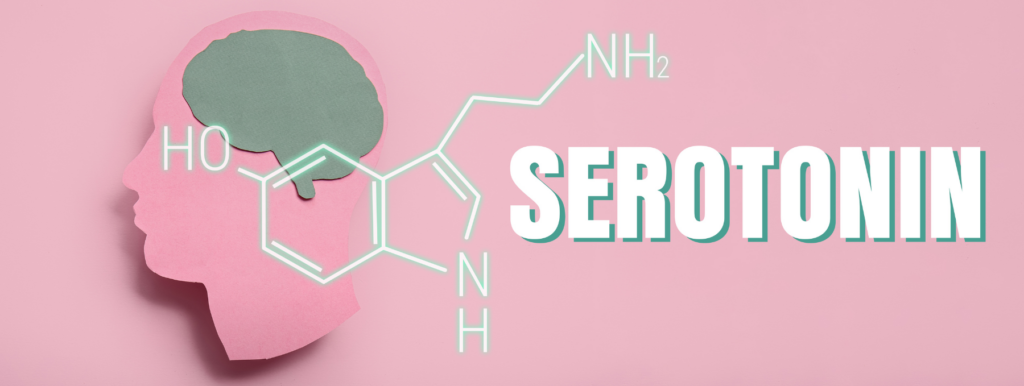
Serotonin (5‑HT) plays a central role in mood, anxiety, sleep, appetite and social behavior. Pharmaceutical treatments for depression (SSRIs) increase synaptic serotonin and can improve mood, which makes serotonin a natural target when explaining how positive interventions like gratitude practices might lift mood. With this connection in mind, scientists suggest two main ways gratitude could affect serotonin.
First, at the brain‑circuit level, feeling grateful activates regions connected to serotonin‑rich areas (like the raphe nuclei) and other mood systems. Activation of reward areas—for example the ventral tegmental area and ventral striatum—is often linked to release of monoamines that boost positive feelings. Because serotonin modulates broad networks involved in mood and social cognition, stronger activity in these networks during gratitude is thought to reflect increased serotonin influence.
Second, gratitude practices could affect serotonin by lowering stress. Chronic stress harms serotonin function and raises inflammation, while gratitude reduces perceived stress and weakens stress responses–for example, it lowers cortisol. By reducing stress and inflammation, gratitude may indirectly restore or boost serotonin system function. Both pathways are plausible, but the evidence that gratitude practice directly increases brain serotonin in humans remains largely inferential rather than being demonstrated by direct measurement of neurotransmitters.
Direct Measures Vs. Inferred Mechanisms
Gratitude research produces two types of evidence that differ in how directly they speak to changes in brain serotonin: direct neurochemical measures and indirect, inferential indicators.  Direct measures are studies that actually track serotonin levels in the human brain—for example, testing cerebrospinal fluid or using PET scans with serotonin-specific tracers—before and after gratitude interventions. These methods are rare in gratitude research because they are costly, invasive and uncommon for behavioral studies. Very few, if any, studies have applied these methods at scale.
Most gratitude research relies on indirect measures: self‑reports and behavioral outcomes, blood or saliva markers like cortisol or inflammatory cytokines or fMRI brain activity. These approaches consistently show that gratitude improves mood and alters brain activity, but they do not directly measure brain serotonin levels. Instead, they suggest that gratitude affects brain circuits and stress responses in ways that are consistent with increased serotonin activity.
In short, the evidence chain is strong that gratitude improves mood and alters brain function, but the claim that gratitude directly raises serotonin in humans is weaker and remains largely inferential.
What the Clinical and Lab Data Imply
Randomized studies consistently show that gratitude exercises reduce depressive symptoms and increase well-being compared with many control conditions, producing the same kinds of clinical improvements seen with pharmacological and psychotherapeutic interventions that directly affect serotonin and other neurotransmitters. Observed reductions in stress biomarkers and inflammatory markers after gratitude practice further support an indirect pathway for improved serotonin function, since stress hormones and inflammation can suppress serotonergic activity.
Additionally, fMRI studies strengthen the biological case by showing that gratitude consistently activates reward and social‑emotion brain networks that interact with monoamine systems. This is significant, even though the studies don’t measure monoamine levels directly. To sum it all up, gratitude causes clinical and brain changes consistent with improved serotonin function, but direct molecular proof such as measured serotonin changes is still lacking.
Does Gratitude Increase Serotonin? Limitations and Open Questions
Although the clinical and laboratory findings on gratitude are promising, several important caveats limit how confidently we can link gratitude practice to changes in serotonergic function. These issues affect how strongly we can claim cause, how well results apply across different gratitude practices and how long benefits last or which mechanisms matter most. Below are the main issues to consider:
- Lack of direct measurements of serotonin levels: Few studies have measured serotonin or serotonin receptors directly after gratitude interventions in humans. Without PET or CSF data, the serotonin link is circumstantial.
- Variation in interventions and outcomes: Gratitude protocols vary widely (for example, single letter vs. daily journaling vs. three-week programs), making it hard to compare studies or define an “effective dose” of gratitude.
- Short follow-up windows: Many studies are short, lasting only weeks, so the durability of effects and the time course of any neurochemical changes are not fully known.
- Other factors may explain the benefits: Better sleep, more social connection or other behavior changes that result from practicing gratitude could be what actually improves mood and brain chemistry.
Practical, Evidence-Based Guidance on Using Gratitude
 Gratitude practices are low-risk and supported by evidence for improving mood, reducing stress and enhancing sleep and social connectedness. To experience the proven benefits of gratitude, start simply and with methods that have been tested. Keep a brief gratitude journal–write three things you’re grateful for, 3–5 times per week for at least two weeks–or write a single detailed gratitude letter to someone and, if comfortable, deliver or read it.
Expect modest, cumulative gains. Effects are typically small-to-moderate and grow with regular practice. Also, treat gratitude as a complementary strategy rather than a replacement for other mental health treatments. If you have moderate-to-severe depression or anxiety, use gratitude as an adjunctive practice and consult a clinician about combining it with professional care.
Gratitude Improves Well‑Being with Plausible Serotonergic Links
Feeling gratitude and doing gratitude exercises reliably boosts mood, lowers perceived stress and activates brain reward areas. It’s important to note that these findings are consistent with increased serotonin activity but that haven’t been directly proven by measuring serotonin in humans. Overall, the evidence supports gratitude as a practical, low‑cost way to improve well‑being, with plausible brain and stress‑related mechanisms. If you want to try it, brief daily journaling or writing a gratitude letter are simple, well‑studied starting points.