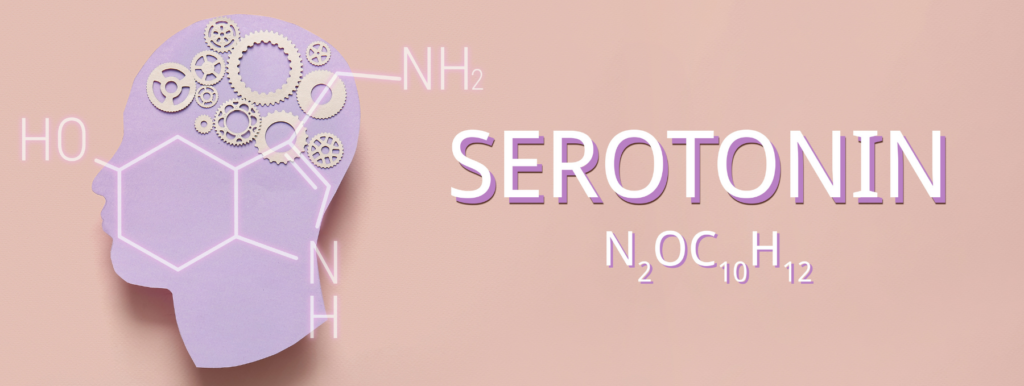

In today’s fast-paced world, stress and anxiety are prevalent, leading many to seek out various remedies for better mental health. One surprising yet effective approach involves embracing the sun. Does sunlight increase serotonin levels? You may be surprised to learn that sunlight can indeed have a profound impact on serotonin levels in the brain. Read on to learn more about how serotonin works to boost mood, the role of sunlight in serotonin production and how you can harness natural light to elevate your mood.
What is Serotonin?
Serotonin, often dubbed the “happiness hormone,” is a neurotransmitter that plays a crucial role in mood regulation, sleep, appetite and overall well-being. About 90% of serotonin is produced in the gastrointestinal tract, but its most significant effects are felt in the brain. Because it is a natural mood stabilizer, balanced serotonin levels promote feelings of happiness and contentment. Conversely, low levels of serotonin are linked to various mood disorders, including depression and anxiety.
 Serotonin also acts as a precursor to melatonin, the hormone responsible for regulating sleep-wake cycles. For this reason, higher serotonin levels typically lead to improved sleep quality, which is vital for overall health. Beyond influencing mood and sleep, serotonin also plays a key role in appetite control and digestion. This is why our serotonin levels can shape how we feel about food, as well as help to manage cravings. The multiple roles serotonin plays in the body underscore its importance for emotional stabilization as well as overall physical well-being.
How Does Sunlight Increase Serotonin?
When it comes to health, sunlight is often viewed primarily as a source of Vitamin D, but its effects extend far beyond that. Sunlight plays a multifaceted role in promoting the production of serotonin, significantly contributing to our mental health and overall well-being. One key way that sunlight facilitates serotonin production is through vitamin D synthesis. When our skin is exposed to UVB rays from sunlight, it produces vitamin D, which studies suggest plays a role in serotonin synthesis by potentially activating genes involved in its production.
Additionally, sunlight is crucial for regulating our circadian rhythm, as it influences the sleep-wake cycle by signaling to our brain when it’s time to be awake and when to sleep. This balance is closely tied to serotonin levels, which are typically highest during waking hours. Research also indicates that exposure to bright light can directly stimulate serotonin receptors in the brain, enhancing mood and emotional well-being. Collectively, these mechanisms serve to demonstrate the profound impact sunlight has on serotonin production and mental health.
The Science Behind Sunlight and Mood
A groundbreaking study conducted in 2002 revealed a significant link between sunlight exposure and serotonin levels. In this study, researchers found that subjects exposed to bright light exhibited increased serotonin production, which correlated with improvements in mood. This discovery laid the foundation for therapies like Bright Light Therapy, often recommended for individuals suffering from Seasonal Affective Disorder (SAD).
SAD is a type of depression that typically occurs during specific times of the year, most often in winter, when sunlight exposure is limited. During these months, serotonin levels can drop substantially, leading to feelings of sadness, lethargy and irritability. Symptoms of SAD include low energy and fatigue, difficulty concentrating, changes in sleep patterns, increased cravings for carbohydrates and feelings of hopelessness or worthlessness. During the shorter winter days, maximizing natural light exposure is crucial, whether it involves spending more time outdoors or utilizing light therapy lamps designed to mimic sunlight. By prioritizing sunlight in your life, you can combat the effects of SAD and enhance your overall well-being.
Practical Ways to Harness the Power of Sunlight
Here are some effective strategies to boost your serotonin levels through sunlight exposure:
- Aim for Morning Sunlight: Early mornings are an excellent time to soak up sunlight. A short 15-30 minute walk after waking can significantly enhance your mood for the day ahead.
- Take Breaks Outdoors: If you have a desk job, make a habit of stepping outside during breaks. Even a few minutes in the sun can help refresh your mind and elevate your mood.
- Gardening and Nature Walks: Engaging with nature not only exposes you to sunlight but also encourages physical activity, both of which are beneficial for your mental health.
- Mind Your Vitamin D Levels: If you live in areas with limited sunlight, consider discussing vitamin D supplementation with your healthcare provider, as it’s essential for serotonin synthesis.
 Light Therapy: For those who struggle with seasonal depression, light therapy using special lamps that emit bright light can simulate sunlight. These lamps are designed to expose you to bright light in a controlled way and may help improve mood by increasing serotonin levels. Typically, it’s recommended to use light therapy for about 20-30 minutes each morning during the fall and winter months.
- Outdoor Activities: Engage in outdoor sports or exercises such as jogging, cycling or even yoga in a sunlit park. The combination of physical activity and sunlight can elevate mood and enhance overall well-being. Activities like hiking not only promote sunlight exposure but also enable you to connect with nature, which has its own mental health benefits.
- Create a Sunlit Space at Home: If possible, arrange your home or workspace to maximize sunlight exposure. This could mean placing your desk near a window or using sheer curtains to let more light in. Consider painting walls in light colors, which can reflect more sunlight and create a brighter atmosphere.
- Embrace Outdoor Social Interactions: Organize meetups with friends or family in outdoor settings. Whether it’s picnics in the park or simply enjoying a meal outside, socializing in sunlight can lift your spirits and promote feelings of connectedness.
- Mindful Sun Exposure: Practice mindfulness while you soak up the sun. This could involve meditating or spending quiet moments simply enjoying the warmth and light. Mindful exposure can enhance the psychological benefits of sunlight, allowing you to relax and reduce stress.
- Track Your Mood: Consider keeping a journal to track your mood in relation to your sunlight exposure. This can help you identify patterns and notice how different levels of light affect your emotional state. By understanding your own responses, you’ll be better equipped to plan for more sunshine in your daily routine.
Sun Safety Practices
While sunlight exposure offers numerous benefits, it is essential to be mindful of its potential risks. One primary concern is skin damage; overexposure to UV rays can lead to issues such as sunburn, premature aging and an increased risk of skin cancers, including melanoma. To mitigate the risks of sunlight exposure, practicing sun safety is crucial. Here are some strategies to ensure safe sunlight exposure:
- Use Sunscreen: Apply a broad-spectrum sunscreen with an SPF of at least 30 on exposed skin, even on cloudy days. Sunscreen should be reapplied every two hours, especially if you are sweating or swimming.
- Wear Protective Clothing: Consider wearing hats, UV-blocking sunglasses and lightweight clothing to protect yourself from direct exposure.
- Seek Shade: Aim to avoid direct sunlight between 10 a.m. and 4 p.m., when UV radiation is strongest. Finding shade or using an umbrella can help reduce the risk of overexposure.
- Regular Skin Checks: Monitor your skin for any changes or irregularities, including new moles or changes in existing ones. Early detection is key in managing skin cancer risks.
Another important consideration is vitamin D toxicity. While vitamin D is vital for overall health, excessive supplementation can lead to toxicity, which can cause symptoms such as nausea, vomiting, weakness and serious complications over time. It’s advisable to consult with a healthcare provider to determine the appropriate dosage for your specific needs, especially if you’re considering supplements due to limited sunlight exposure.
Bear in mind that not everyone responds to sunlight in the same way. Some individuals may suffer from conditions like photophobia, where light sensitivity can cause discomfort or exacerbate anxiety and mood disorders. It’s crucial to listen to your body and adjust your sunlight exposure accordingly.
Finding Balance
The key to benefiting from sunlight lies in moderation. Striving for a balance allows you to enjoy its cognitive and emotional benefits while minimizing the risks associated with overexposure. Timing is essential; aim for early or late afternoon sunlight, when UV radiation is weaker. This will not only help reduce the risk of skin damage but still provide the advantages of exposure.
 An integrated approach can further enhance the serotonin-boosting effects of sunlight while promoting overall well-being. This includes combining sunlight exposure with other healthy habits, such as regular physical activity, a balanced diet and mindfulness exercises. Each of these components supports mental health independently and synergistically.
Finally, be intentional about spending time outdoors during sunny months. Plan activities or vacations that allow you to enjoy sunshine and nature. Consider seeking additional sources of light or vitamin D during darker seasons to maintain a balanced and healthful routine, especially in areas with long winters.
Harnessing the Power of Sunlight for Better Mental Health
The connection between sunlight exposure and serotonin production highlights nature’s vital role in enhancing human health. Sunshine elevates mood, improves mental clarity and promotes emotional stability. This natural remedy isn’t just about feeling good—it has profound implications for mental health management.