Sleep depends on many body systems: the brain, hormones, the immune system, metabolism and your internal clock. In the last decade researchers have found that gut bacteria are another important factor. The microbes in the gut produce small chemicals, change immune signals, stimulate gut nerves and influence local body clocks — and those effects can change when and how well you sleep. One key connection links diet and gut activity to the brain chemicals tryptophan and serotonin, both of which play a big role in the sleep‑wake cycle. Below we will examine the many ways gut bacteria influence both gut health and sleep.
Why the Gut Matters for Sleep
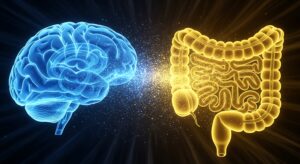
 Your gut and brain constantly talk to each other. Gut microbes make or modify tiny molecules that can enter the blood and travel to other organs — for example, short‑chain fatty acids from fiber fermentation, indoles made from tryptophan and modified bile acids. In addition, components of some bacteria (such as lipopolysaccharide, or LPS, from the outer membrane of gram‑negative bacteria) can act as inflammatory triggers if they cross a weakened gut barrier. These microbial chemicals can change immune signals (raising or lowering inflammation), stimulate gut nerves and the vagus nerve — a direct line to the brain — and shift local body clocks in organs.
These molecules reach the brain in two main ways: indirectly, when they travel in the blood and alter immune mediators, or more directly, by activating nerves or changing the supply of raw materials the brain needs to make neurotransmitters. Because sleep depends on a number of factors including brain chemicals (serotonin, GABA and histamine), hormones such as melatonin, inflammation and circadian timing, changes in the gut microbiome can meaningfully alter when and how well you sleep.
Serotonin and Tryptophan — The Key Sleep Link
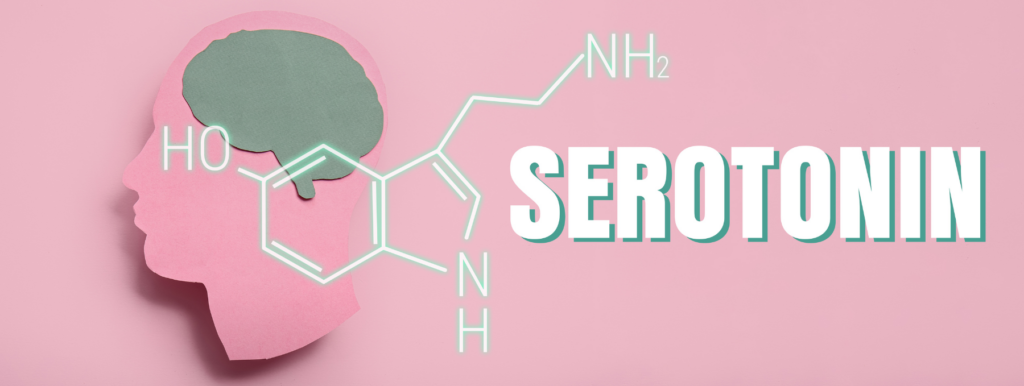
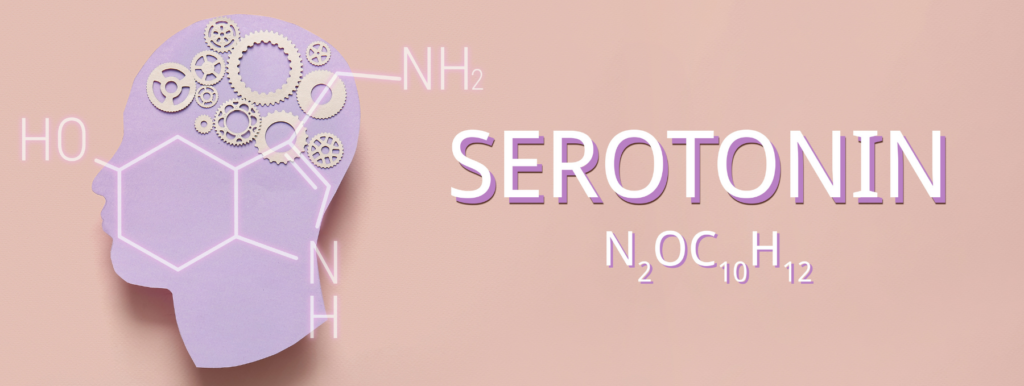
Serotonin is a brain chemical involved in mood, wakefulness and in the production of melatonin, the hormone that helps signal the onset of night and promote sleep. The body has two separate serotonin systems. Most serotonin is made in the gut by specialized enterochromaffin cells using an enzyme called TPH1. The brain makes its own serotonin inside neurons with a different enzyme, TPH2. Importantly, serotonin made in the gut cannot cross the blood–brain barrier, so the brain depends on the amino acid tryptophan (obtained from food) as the raw material to make its own serotonin.
That means brain serotonin levels depend on two things: how much tryptophan reaches the bloodstream and how effectively neuronal TPH2 converts tryptophan into serotonin. Factors that lower circulating tryptophan—such as certain microbial activities, inflammation that activates the kynurenine pathway or dietary shortages—can reduce central serotonin and disrupt sleep. Conversely, factors that preserve or boost tryptophan availability such as adequate dietary protein, reduced gut inflammation and a microbiome that favors tryptophan availability, can help support normal serotonin synthesis, melatonin production at night and healthier sleep timing and architecture.
How Gut Microbes Change Tryptophan and Serotonin
Gut microbes influence sleep by changing tryptophan and serotonin through several mechanisms. Some bacteria consume or transform tryptophan while others enhance its absorption, altering the amount of tryptophan circulating in the blood. Reduced blood tryptophan means less substrate for the brain to synthesize serotonin, which can make it harder to fall asleep, maintain stable sleep and produce melatonin at night. Second, certain microbes and their metabolites (for example short-chain fatty acids) stimulate gut enterochromaffin cells to produce more serotonin, altering digestion and immune signaling; although gut-derived serotonin does not cross into the brain, these peripheral changes can still indirectly affect sleep.
Third, some microbial products (like the above-mentioned lipopolysaccharide, or LPS) cause inflammation that activates enzymes that divert tryptophan away from making serotonin and push it into the kynurenine pathway. The kynurenine pathway is a series of chemical steps the body uses to break down tryptophan into other molecules such as kynurenine and its metabolites. Kynurenine and its metabolites can enter the brain and disrupt neural signaling, potentially harming mood, the immune system and sleep. Finally, serotonin is needed to make melatonin, so less serotonin in the brain means less melatonin. This can weaken the body’s nighttime signal and make falling asleep harder.
Why This Matters for Gut Health and Sleep
 Serotonin’s effects depend on brain region and timing, but overall, it supports normal sleep by enabling melatonin production and helping to regulate the systems responsible for wakefulness and alertness. Adequate brain serotonin helps with sleep onset, stabilizes sleep architecture and supports restorative deep sleep. When brain serotonin is low—because of reduced tryptophan availability or greater diversion of tryptophan into the kynurenine pathway—sleep often becomes fragmented, with less slow-wave (deep) sleep, more awakenings and shifts in REM timing and duration, which can impair daytime mood and cognition.
Although gut-made serotonin can’t cross into the brain, it influences nearby nerves (notably the vagus) and immune cells, changing the signals those systems send to the central nervous system. These altered nerve and immune signals can increase wakefulness, raise inflammatory tone or amplify stress responses, each of which may reduce sleep depth and continuity. Over time, repeated disruption can worsen sleep regulation and contribute to daytime fatigue, mood disturbances and metabolic effects, creating a feedback loop that further alters gut function and microbial composition.
Other Important Ways Microbes Affect Sleep
Serotonin is a key link, but gut microbes affect sleep in other ways too. Fiber-fed bacteria make short-chain fatty acids (SCFAs) that can help deepen sleep and influence brain cells. Some microbes produce building blocks for neurotransmitters like GABA and dopamine that act on gut receptors or nerves. Microbes also shape inflammation—long-term low-level inflammation makes sleep worse—and their signals can change vagus nerve activity, quickly altering how alert the brain feels.
Gut microbes follow day–night rhythms and help set body clocks through their metabolites, and they modify bile acids and metabolism, which can influence body temperature and sleep. When the microbiome is out of balance, a condition known as dysbiosis, toxic microbial metabolites can further disrupt sleep and damage brain health.
Research Findings and Practical Steps to Improve Sleep via the Gut
Studies in animals show that changing the microbiome alters sleep and brain chemicals. In humans, links exist between gut imbalance and poor sleep, and small trials of some probiotics or prebiotics show modest sleep improvements.
Practical steps can help shift tryptophan metabolism toward healthier serotonin and better sleep:
- Eat enough protein (for tryptophan) and plenty of fiber to feed SCFA‑producing bacteria.
- Avoid foods and habits that promote gut inflammation, such as highly processed foods or excessive alcohol.
- Consider targeted prebiotics or probiotics (results vary by strain).
- Reduce overall inflammation with healthy diet, exercise and treating gut infections.
- Maintain regular light exposure and meal times to support your body and microbial clocks.
Limitations and Open Questions
 Gut and brain serotonin are not the same: Changes in peripheral serotonin don’t directly reflect brain levels, so measuring gut serotonin gives only an indirect picture of levels of serotonin in the brain. What’s more, individual microbiomes differ widely due to diet, genetics, medications and environment, so effects on tryptophan metabolism, serotonin production and sleep can vary substantially between people.
We don’t yet know which specific bacteria, combinations of microbes or microbial chemicals reliably push tryptophan towards being used for serotonin production, rather than into the kynurenine pathway, in people, or whether changing the microbiome can produce lasting sleep benefits. Studies so far are limited by small sample sizes, short follow-ups, inconsistent measurement methods and difficulty separating microbiome effects from diet and inflammation. Because of these issues, larger, longer and well-controlled human trials are needed.
Gut Health Matters for Better Sleep
Gut bacteria shape sleep in many ways, but the tryptophan → serotonin → melatonin route is a key link between what you eat, gut activity and brain chemistry that controls sleep timing and sleep quality. Supporting a diverse, fiber‑friendly gut microbiome and limiting gut inflammation are practical steps that may help sleep, though personalized approaches and more research are needed.