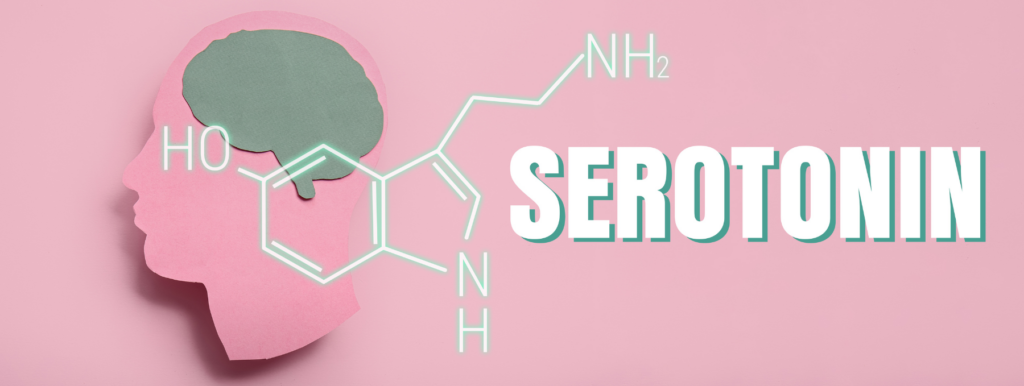
Panic attacks are sudden surges of intense fear or discomfort that peak within minutes and can include symptoms such as racing heart, shortness of breath, dizziness, trembling and fears of dying or losing control. While panic attacks involve multiple brain systems, serotonin—a neurotransmitter often discussed in mood and anxiety disorders—helps change how those systems respond, making them more or less likely to trigger panic. Here, we will look at the link between low serotonin and panic attacks, examining how serotonin is involved in panic attacks, how panic attack treatments target the serotonergic system and practical steps for managing panic attacks.
How Serotonin Fits Into the Panic Picture
 Serotonin (5‑HT) is a neuromodulator with widespread effects within the brain that helps shape multiple processes central to panic. It influences how we perceive and evaluate threats, contributes to the regulation of breathing and CO2 sensitivity (a key trigger for some panic attacks), modulates autonomic arousal including heart rate, blood pressure and sweating and affects the encoding and retrieval of emotional memories that reinforce fear learning. Key regions implicated in panic—such as the amygdala (threat detection and emotional salience), periaqueductal gray (PAG; innate defensive and panic-like responses), hippocampus (contextual memory and safety learning) and dorsal raphe nucleus (a major source of serotonergic neurons)—are densely interconnected. Serotonin influences activity in each of these nodes, adjusting sensitivity to both internal and external threat cues.
Serotonin doesn’t just turn brain activity up or down — it fine‑tunes it. Different serotonin receptors and brain regions respond differently to serotonin, so in some circuits serotonin calms overreaction to threats and lowers physical arousal, while in others it can increase alertness or make breathing‑related panic sensations stronger. That patchwork of effects explains why drugs that change serotonin can help many people but sometimes briefly increase anxiety for others, depending on dose, timing and personal sensitivity.
The Relationship Between Low Serotonin and Panic Attacks
Human and animal studies show that changing serotonin activity can alter panic-like behaviors. For example, drugs that alter serotonin receptors or reuptake can either trigger or reduce panic responses in experiments. Neuroimaging and neurochemical research in people with panic disorder often find differences in serotonin markers—such as transporter levels, receptor availability and activity in specific brain areas—though findings aren’t consistent across all studies or patient groups. Taken together, this points to disorganized serotonin signaling, not just a simple “low serotonin” explanation.
Genetic studies have linked variants in serotonin‑system genes like the serotonin transporter gene SLC6A4 to panic or anxiety traits in some samples, suggesting that inherited differences in serotonergic function may affect vulnerability to panic attacks. Challenge studies — where drugs that change serotonin levels are given in controlled settings — show that these drugs can sometimes cause anxiety or panic in people who are vulnerable, which shows serotonin’s effects depend on the person and the situation.
Why “Serotonin Deficiency” is an Oversimplification
The idea that anxiety or panic results from simply having “low serotonin” is outdated. Serotonin works through many different receptor types (5‑HT1A, 5‑HT2A/C, 5‑HT3, etc.) that can have different and sometimes opposing effects. What matters more than the overall amount of serotonin is which receptors are present in each brain area and how those local circuits respond.
Panic disorder is probably the result of problems with noradrenaline (arousal), GABA (inhibition) and glutamate (excitation) — brain circuits where serotonin interacts with other systems. It can also be related to stress hormones (the HPA axis), breathing control and learned thoughts like catastrophizing bodily sensations. Because many systems and processes are involved, drugs that change serotonin can help many people but may briefly increase anxiety in others (for example, when starting an SSRI), and treatment responses vary between individuals.
How Treatments Use the Serotonergic System
 Selective serotonin reuptake inhibitors (SSRIs) are first‑line medications for panic disorder. By blocking serotonin reuptake, they enhance serotonergic signaling at synapses over time. Clinical trials show SSRIs reduce panic frequency and severity and improve long‑term outcomes. Typical medications include sertraline, fluoxetine, paroxetine and escitalopram. Serotonin–noradrenaline reuptake inhibitors (SNRIs), such as venlafaxine, are also effective for panic disorder, reflecting the role of both serotonin and noradrenaline in panic physiology.
For acute symptom relief, benzodiazepines can rapidly reduce panic symptoms by potentiating GABAergic inhibition, though they do not act on serotonin directly. Because they carry risks of dependence, they are used selectively and usually short-term. Clinically, SSRIs can sometimes increase anxiety when treatment is initiated, so clinicians may start at low doses or briefly co‑prescribe benzodiazepines. Therapeutic response usually takes weeks, and full benefit for panic often requires sustained medication alongside psychotherapy when indicated.
Cognitive‑behavioral therapy (CBT), particularly with interoceptive exposure that deliberately and safely exposes patients to bodily sensations of panic, targets the cognitive and learning processes that maintain panic and pairs well with pharmacotherapy. CBT’s benefits likely involve circuit‑level normalization that interacts with neurotransmitter systems including serotonin.
Mechanisms Connecting Serotonin to Panic Symptoms
Serotonin influences multiple neural systems that together shape the symptoms of panic. The following points summarize key pathways—threat evaluation, respiratory and autonomic control, learning and memory and interactions with other neurotransmitters—through which serotonergic modulation can alter vulnerability to panic episodes.
- Threat processing and fear regulation: Serotonin adjusts how the amygdala, considered the brain’s alarm center, reacts to threats and how the prefrontal cortex (the brain’s control center) calms those reactions. Changes in serotonin can make threats feel stronger or weaker.
- Respiratory and autonomic control: Panic attacks frequently involve breathlessness or sensations of suffocation. Serotonin‑producing neurons affect brainstem centers that control breathing and how the brain senses CO2. If these systems are out of balance, people can become more sensitive to internal bodily cues like shortness of breath, which can trigger panic.
- Learning and memory: Serotonin helps the brain form and keep fear memories, making some places or situations easier to trigger panic.
- Interaction with other neurotransmitters: Serotonin works with other brain chemicals like noradrenaline (wakefulness), GABA (calming) and glutamate (stimulation), so panic is a result of how these systems interact, not just from one chemical.
Clinical and Practical Implications
 Panic disorder is treatable. Evidence‑based options include SSRIs or SNRIs, cognitive‑behavioral therapy (CBT) with interoceptive exposure and selective short‑term use of benzodiazepines when needed. Treatment plans are individualized based on symptom severity, comorbidities, prior response and patient preference. It’s important to expect time for change: Medications that act on serotonin typically take several weeks to reduce panic frequency, while psychotherapy can produce faster learning for coping with sensations but often requires multiple sessions for durable effects.
Lifestyle and self‑care also matter. Regular exercise, good sleep hygiene, limiting caffeine and other stimulants that can provoke anxiety and practicing breathing and grounding techniques can lower panic risk and boost resilience. If panic attacks involve chest pain, fainting, severe shortness of breath or suicidal thoughts, seek urgent medical or emergency care to rule out medical causes and ensure safety.
Low Serotonin and Panic Attacks: The Bottom Line
Serotonin is an important modulatory player in the neurobiology of panic attacks, because it helps to shape how the brain reacts to threats, controls breathing and stores fear memories. Panic disorder arises from complex interactions between multiple brain chemicals and circuits, so treatments that target serotonin (like SSRIs) are effective for many people but are best used as part of a broader, individualized treatment plan that may include CBT and lifestyle measures.