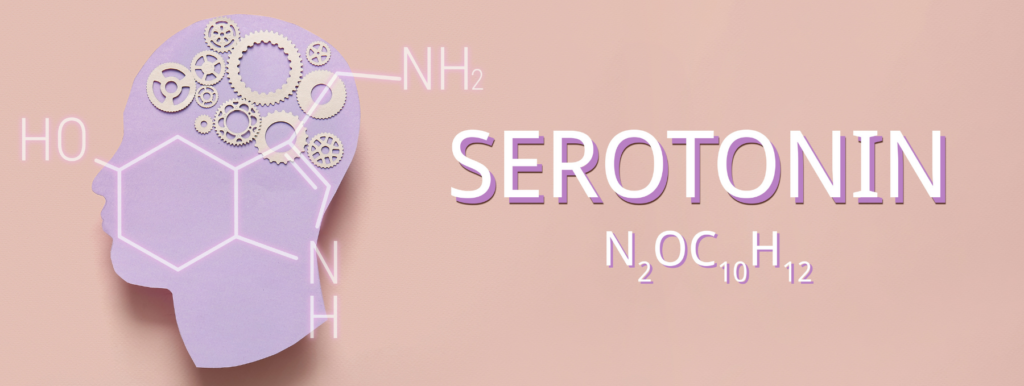
Serotonin is often dubbed the “feel-good” neurotransmitter because it plays a pivotal role in regulating mood, sleep, appetite and overall well-being. While certain medications can regulate serotonin levels, a more natural approach to maintaining healthy serotonin levels is to enhance your diet with vitamins and minerals that support your body’s serotonin production. Here, we will talk about how key minerals and vitamins increase serotonin levels and how to incorporate these vital nutrients into your daily routine.
The Connection Between Diet and Serotonin Synthesis
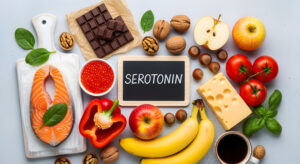 Serotonin is found predominantly in the brain, intestines and blood platelets. It is synthesized from the amino acid tryptophan, and various cofactors — including vitamins and minerals — are required for this conversion process. When serotonin levels are balanced, people tend to experience improved mood, better sleep quality, reduced anxiety and enhanced cognitive function.
To optimize serotonin production, it’s vital to ensure sufficient intake of specific nutrients known to facilitate serotonin synthesis. Let’s explore the essential vitamins and minerals that support healthy serotonin levels in the body.
Key Nutrients for Serotonin Production
Certain vitamins and minerals play a vital role in the complex process through which our bodies produce serotonin from its precursor, tryptophan. Understanding these key nutrients can empower you to make informed dietary choices that can enhance mood and overall mental health. Below are some of the essential vitamins and minerals that support serotonin production.
1. Vitamin B6
Function: Vitamin B6 plays a crucial role in converting tryptophan to serotonin. This process occurs in the brain and is vital for maintaining optimal serotonin levels.
Sources:
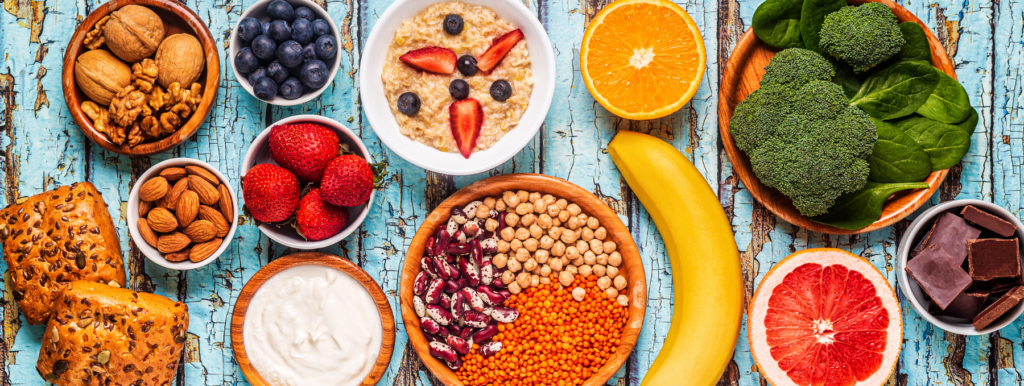
- bananas
- chickpeas
- potatoes
- chicken
Impact: A deficiency in Vitamin B6 can lead to low serotonin levels, which may worsen mood disorders. Including good sources of this vitamin in your diet can help enhance your mood and energy levels.
2. Vitamin B12
Function: Vitamin B12 is essential for maintaining nerve health and supporting the overall function of neurotransmitters, including serotonin. This vitamin works alongside other B vitamins to support optimal brain function.
Sources:
- fish (like salmon and tuna)
- meat (beef and chicken)
- eggs
- dairy products
Impact: A lack of Vitamin B12 can result in fatigue, memory issues and mood alterations. For individuals following a vegetarian or vegan diet, supplementation may be necessary, as B12 sources are primarily animal-based.
3. Folate (Vitamin B9)
Function: Folate is crucial for the formation of DNA and RNA and for the synthesis of neurotransmitters, including serotonin. It works closely with B12 in these processes.
Sources:
- leafy green vegetables (spinach, kale)
- legumes (lentils, chickpeas)
- avocado
- fortified cereals
Impact: Ensuring adequate folate intake supports serotonin synthesis, potentially improving mood and cognitive functions. Folate deficiency has been linked to depressive symptoms, reinforcing its importance for mental health.
4. Niacin (Vitamin B3)
Function: Niacin is involved in the conversion of tryptophan to serotonin and is vital for cellular energy production, which supports neurotransmitter function.
Sources:
- meat (turkey, chicken)
- fish (tuna)
- nuts (peanuts)
- whole grains (brown rice, barley)
Impact: A deficiency in niacin can lead to various health issues, including mood disturbances. Niacin is essential for maintaining energy levels and cognitive function, both of which are crucial for mental well-being.
 5. Vitamin D
Function: Vitamin D is known to influence serotonin levels and the function of serotonin receptors in the brain. This vitamin plays a significant role in overall brain health.
Sources:
- sunlight (the skin produces Vitamin D when exposed to sunlight)
- fatty fish (salmon, mackerel)
- fortified foods (milk, orange juice)
- egg yolks
Impact: Low levels of Vitamin D have been associated with increased risk of depression and anxiety. Regular sun exposure and incorporating Vitamin D-rich foods can be beneficial for serotonin production.
6. Magnesium
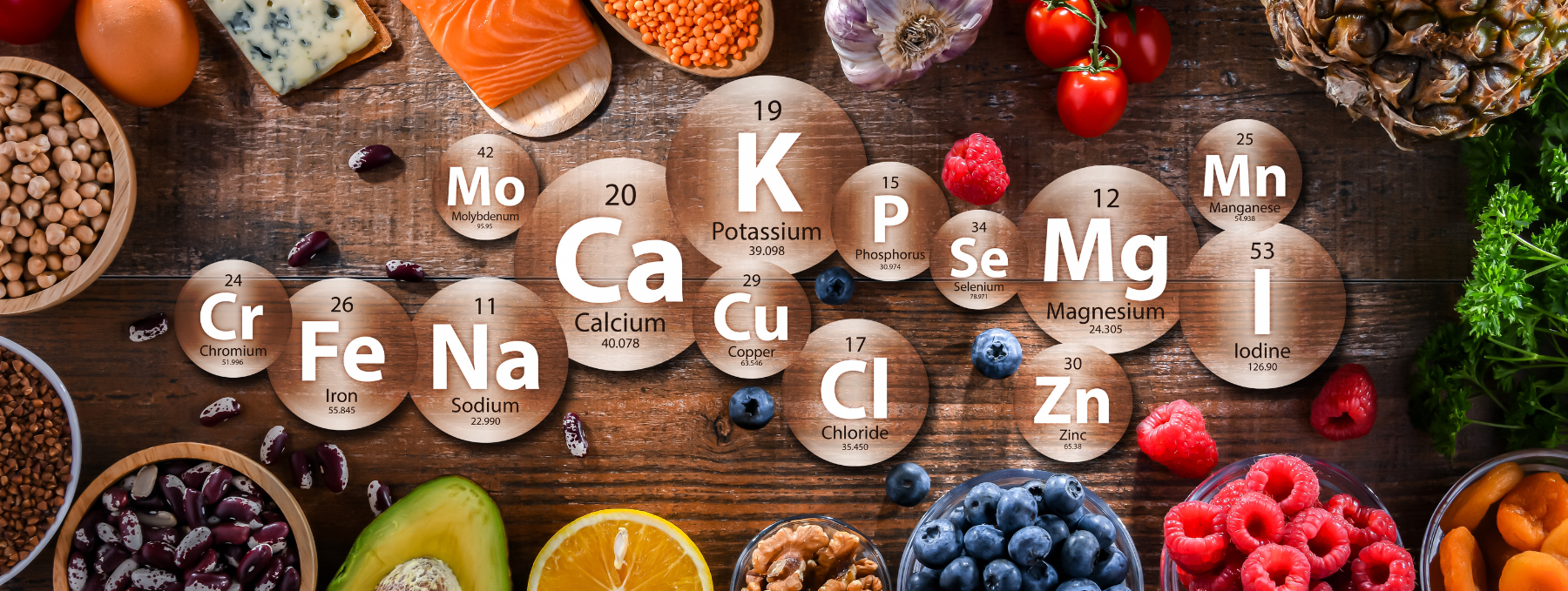
Function: Magnesium is involved in numerous enzymatic processes, including those crucial for serotonin production. It also helps regulate neurotransmitter functions and maintain neural health.
Sources:
- nuts (almonds, cashews)
- seeds (pumpkin seeds)
- leafy greens (spinach, Swiss chard)
- whole grains
Impact: A magnesium deficiency may lead to increased anxiety and mood disturbances. Ensuring sufficient magnesium intake may effectively support mental health.
7. Zinc
Function: Zinc influences serotonin signaling and receptor sensitivity, which can optimize how effectively serotonin operates in the brain.
Sources:
- meat (beef, pork)
- shellfish (oysters, crab)
- legumes (chickpeas, lentils)
- nuts and seeds (pumpkin seeds)
Impact: Low zinc levels can impair serotonin signaling, potentially leading to mood disorders and affecting cognitive functions. Several studies have indicated that zinc supplementation may have a positive effect on mood and could be beneficial for individuals suffering from depression. By including zinc-rich foods in your diet, you can help support not just serotonin production but also overall mental health.
The Synergistic Effect of Nutrients
While each of the above-mentioned vitamins and minerals plays an individual role in serotonin production, they often also work together synergistically, enhancing each other’s effects to support mental health more effectively. For example, Vitamins B6, B12 and folate collaborate in the intricate process of neurotransmitter synthesis. Vitamin B6 is crucial for converting tryptophan to serotonin, while Vitamin B12 and folate ensure that these processes proceed optimally by participating in DNA synthesis and red blood cell formation. This collaboration highlights how deficiencies in one B vitamin can lead to a domino effect, potentially impairing overall serotonin production.
Similarly, magnesium and zinc may play a vital role in enhancing serotonin receptor sensitivity. Not only is magnesium crucial for serotonin synthesis but it also regulates NMDA receptor activity, which is important for serotonin signaling in the brain. When adequate magnesium levels are maintained, serotonin can more effectively bind to its receptors, improving mood and cognitive functions. Zinc, on the other hand, aids in modulating serotonin pathways, enhancing its efficacy in the brain.
The interplay among these nutrients is a reminder that a balanced diet rich in diverse nutrients is essential for mental health. Simply focusing on individual nutrients in isolation may not yield the desired benefits; it’s the combination of these nutrients working together that ultimately supports optimal serotonin production and overall well-being. Therefore, consuming a variety of fruits, vegetables, whole grains and protein sources can help ensure that your body receives all the necessary components to efficiently synthesize serotonin and enhance your mental health holistically.
How to Incorporate These Nutrients into Your Diet
To optimize your serotonin levels naturally through nutrition, consider adopting the following strategies:
- Eating Balanced Meals: Aim for balanced meals that include a variety of foods—this ensures a wide range of essential nutrients.
Example: A dinner plate could include grilled salmon (for Vitamin B12 and omega-3 fatty acids), quinoa (for Magnesium and zinc) and a side of sautéed spinach (for folate and magnesium).
 Snack Wisely: Choose snacks that are nutrient-dense rather than empty-calorie foods.
Example: Roasted chickpeas or a handful of nuts can provide your body with proteins, magnesium and zinc necessary for serotonin production.
- Mind Your B Vitamins: Incorporate foods rich in all the B vitamins through whole grains, legumes, nuts, meat and leafy greens.
Example: Start your day with oatmeal topped with sliced bananas and a spoonful of almond butter to boost your B vitamin intake right from breakfast.
- Stay Hydrated: Hydration is essential for overall health, including neurotransmitter function. Ensure you’re drinking adequate water throughout the day.
- Consider Supplements (When Necessary): If you suspect that you may have deficiencies due to dietary restrictions or health conditions, consulting a healthcare professional about supplementation could be helpful. They can provide personalized advice based on your specific needs.
Minerals and Vitamins Increase Serotonin for Better Health
Serotonin plays a critical role in mental health. Nutrients such as Vitamins B6, B12, niacin, folate, Vitamin D, magnesium and zinc all contribute to the complex processes involved in synthesizing this crucial neurotransmitter. Understanding how these minerals and vitamins increase serotonin levels can help ensure that you are fueling your body with the necessary nutrients for optimal serotonin synthesis and a happier, healthier and more balanced life.