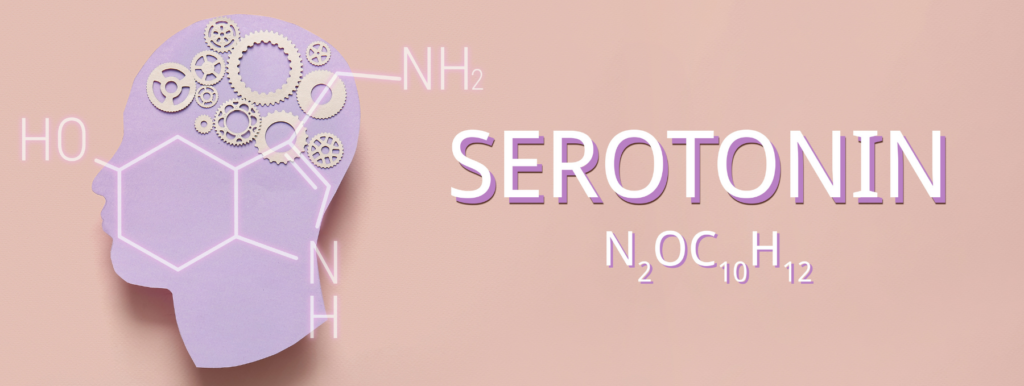
Serotonin (5-hydroxytryptamine or 5-HT) is often referred to as the “feel‑good” neurotransmitter, but its influence extends far beyond mood. Produced both in the brain and peripherally (primarily in the gut), serotonin is a multifunctional molecule that helps control appetite, how the body uses energy, insulin release, inflammation and blood vessel function. In recent years scientists have found many surprising links between serotonin and diabetes. Here, we will explain this relationship and its significance.
 Central vs. Peripheral Serotonin
Serotonin exists within the body in two largely separate pools: one in the brain (central) and one in the body (peripheral). Central serotonin is synthesized in the brain from the amino acid tryptophan and acts on several receptor types to regulate mood, appetite and behavior. Central serotonin also influences food intake and energy expenditure, both of which are major determinants of body weight and metabolic health.
Peripheral serotonin is produced mainly in the gut and stored in the blood platelets, where it signals to organs such as the liver, pancreas, adipose tissue and gastrointestinal tract. Because peripheral serotonin does not cross the blood–brain barrier, its effects on metabolism occur independently of those of brain serotonin.
How Serotonin Affects Blood Sugar and Metabolism
Serotonin affects blood sugar regulation via several pathways. Within the pancreas, serotonin is synthesized in beta cells, small clusters of cells that help control blood sugar. From there, it sends out signals to adjust how much insulin the beta cells release and to help them grow. This is particularly important during pregnancy, when the body needs more insulin. If serotonin signaling in the beta cells is disturbed, they can stop working properly—a change that has been linked to diabetes in animal studies.
In the liver, peripheral serotonin affects how the liver makes and stores sugar. In animal studies, high levels of peripheral serotonin can make the liver release more glucose into the blood (raising blood sugar), while blocking peripheral serotonin can reduce the liver’s glucose production. Fat tissue also responds to serotonin. Fat cells (called adipocytes) have serotonin receptors, so serotonin can affect how fat cells form and how fat is broken down. In animal studies, abnormal levels of peripheral serotonin are linked to more fat storage and worse insulin sensitivity, which can lead to type 2 diabetes.
Finally, serotonin in the brain suppresses appetite and promotes feelings of satiety or fullness. Drugs that increase serotonin in the brain can make people feel like eating less and help with weight loss, which often improves blood sugar and insulin sensitivity. In general, the exact metabolic effects of serotonin depend on whether serotonin changes happen in the brain or in other parts of the body, and on which serotonin receptors are involved.
Serotonin and Diabetes: Other Implications for Health
As mentioned above, serotonin affects more than just mood — it also interacts with metabolism, which can influence treatment effects and diabetes-related complications. Below are some key ways those connections show up in clinical care and research.
Depression, Antidepressants and Diabetes Risk
 Depression and diabetes often occur together. This is partly because they share risk factors like poor diet, inactivity and inflammation. Antidepressants that affect serotonin—especially SSRIs—can have mixed effects on metabolism. Short‑term SSRI use can improve blood sugar control in people with depression, possibly because mood and self‑care improve. Over the long term, some antidepressants have been linked to weight gain and a higher risk of developing type 2 diabetes. The overall effect depends on the specific drug, dose, how long it’s used and the individual patient.
Serotonin and Diabetic Complications
Serotonin-related processes play a role in some diabetes complications. Changes in serotonin signaling can worsen nerve pain and stomach motility problems (gastroparesis). Serotonin also affects blood vessels and platelets, causing constriction and clotting which can add to the higher heart and blood‑vessel risk seen in diabetes.
Serotonin as a Diagnostic Marker for Diabetes
Some studies in people with obesity or type 2 diabetes have observed changes in blood serotonin or its breakdown products, but the results are inconsistent. Differences in the type of blood sample (with or without platelets), the lab test used and factors like diet and medications all affect the findings. So, although there are some links, serotonin is not a reliable, simple diagnostic marker for diabetes.
Serotonin and Diabetes: Treatment Insights and Opportunities
Researchers are exploring several ways serotonin could help treat metabolic problems like obesity and diabetes. In animals, blocking serotonin made outside the brain can reduce body weight and improve how the body uses insulin. As a result, drugs that can block serotonin are being studied, but they must be tested carefully because serotonin also helps control blood pressure and blood clotting.
Another idea is to create medications that only target the specific serotonin receptors involved in metabolism, so that they can help with appetite or liver sugar production without causing other side effects. Some existing drugs that affect serotonin, such as certain antidepressants or weight-loss medicines, have been tried for these purposes, but they can have mixed effects — some cause weight gain, others weight loss—so it’s hard to balance benefits and risks.
Because serotonin affects many parts of the body, the most promising approaches may combine treatments or be tailored to the person’s condition; for example, diabetes which is mainly driven by obesity versus diabetes that is the result of low insulin.
Complexities and Unresolved Questions
There are several unresolved issues around serotonin and metabolism. First, much of the evidence comes from animal experiments or observational human studies, so it’s hard to prove causation in people because factors like depression, medications, diet and lifestyle can confuse the results.
 Secondly, serotonin in the brain and serotonin in the body act largely independently, so treatments that affect one pool may not affect the other. Drugs that cross into the brain can have different metabolic effects than those that act only outside the brain. The many serotonin receptor families and subtypes mean effects are highly receptor- and tissue-specific, so broad changes to serotonin signaling can produce mixed results and precise targeting is difficult.
Finally, because serotonin influences heart and blood-vessel function, blood clotting and gut motility, attempting to adjust serotonin levels to improve metabolism can cause unwanted side effects like blood clots or blood pressure problems.
Serotonin and Diabetes: Insights for Future Treatments
Serotonin does more than affect mood — it also helps control several body processes linked to diabetes. Serotonin outside the brain influences insulin release, how the liver makes glucose, fat tissue behavior and inflammation, while serotonin in the brain affects appetite and how much energy we burn. These two systems interact in complex ways: Serotonin can change diabetes risk and course, and diabetes can in turn alter serotonin signaling. As a result, turning this knowledge into safe treatments will require solutions that target specific serotonin receptors, strategies that separate brain and body effects and strong clinical trials.