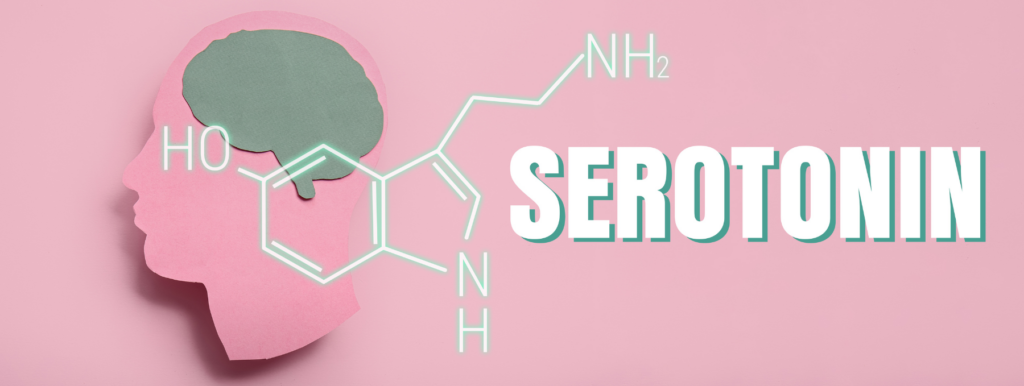

Serotonin is a neurotransmitter that is most often associated with mood, so it may be surprising to learn that this brain chemical also plays an important role in eating behavior. This is because serotonin helps regulate appetite, satiety, impulse control, mood, anxiety and other processes that can influence how and why we eat. Because of this, researchers have investigated the relationship between serotonin and eating disorders, including anorexia nervosa, bulimia nervosa and binge-eating disorder. The connection, however, is not as simple as saying that an eating disorder is caused by having too little serotonin. Instead, serotonin is one part of a much larger network involving the brain, hormones, genetics, emotions, environmental factors and learned behaviors.
What Is Serotonin?
 Serotonin is a neurotransmitter, or chemical messenger, that allows nerve cells to communicate with one another. Although serotonin is often associated with happiness and mood, its functions extend far beyond emotional well-being. Serotonin is involved in sleep, digestion, appetite, learning, memory, mood and behavioral regulation. A large amount of the body’s serotonin is actually found in the gastrointestinal tract, where it helps regulate intestinal activity.
In the brain, serotonin interacts with numerous neural circuits involved in eating behavior. It can influence feelings of fullness after eating, emotional responses to food and the ability to regulate impulses. This helps explain why researchers have been interested in serotonin as one possible factor involved in eating disorders.
How Does Serotonin Affect Appetite and Satiety?
One of serotonin’s important roles in eating behavior involves satiety, or the feeling of fullness that tells us we’ve had enough to eat. After eating, several signals communicate with the brain about the nutrients and energy entering the body. Serotonin is one of the neurotransmitter systems involved in processing these signals. Research suggests that serotonin signaling can influence how strongly a person responds to these satiety signals. Changes in serotonin activity may therefore affect appetite and the ability to stop eating.
However, appetite is controlled by many overlapping systems. Hormones such as leptin, ghrelin and insulin, along with other neurotransmitters including dopamine, all participate in regulating hunger, fullness and food reward. Consequently, serotonin should not be viewed as an “appetite chemical” that operates independently. Instead, it is part of a network of substances that work together to influence appetite and eating behavior.
Serotonin and Anorexia Nervosa
Anorexia nervosa is characterized by persistent restriction of food intake, intense concerns about weight or body shape and behaviors that interfere with maintaining adequate nutrition. Researchers have found evidence of differences in serotonin-related brain activity among some people with anorexia nervosa. Serotonin may be particularly relevant to traits sometimes associated with the disorder, including anxiety, perfectionism, obsessive thinking and behavioral rigidity.
There is an important complication, however: starvation itself changes brain chemistry. When someone is severely restricting food, the brain and body do not have normal access to energy and nutrients. This can affect neurotransmitter systems, hormones and brain function. Some biological changes observed during anorexia may therefore be consequences of prolonged malnutrition rather than the original cause of the disorder. Some serotonin-related differences have also been observed in people after recovery, which has led researchers to investigate whether serotonin biology might represent a vulnerability in certain individuals. The evidence suggests that the relationship is complex rather than one-directional.
Serotonin, Bulimia Nervosa and Binge Eating
Serotonin has also been studied extensively in disorders involving binge eating. Bulimia nervosa involves recurrent episodes of binge eating followed by compensatory behaviors, such as self-induced vomiting, excessive exercise or fasting. Binge-eating disorder involves recurrent binge episodes without the regular compensatory behaviors characteristic of bulimia. Because serotonin contributes to satiety and impulse control, researchers have explored whether altered serotonin signaling could contribute to difficulty regulating food intake in these disorders.
Some studies have found associations between serotonin-related functioning and characteristics such as impulsivity, emotional regulation and the ability to experience satiety. This does not mean that someone binges because they simply “don’t have enough serotonin.” Eating behavior is influenced by numerous factors, including stress, emotions, food restriction, learned behaviors, reward pathways and environmental cues. In fact, restrictive dieting can itself contribute to cycles of hunger, binge eating and subsequent attempts at restriction.
 The Connection Between Serotonin and Emotional Eating
Serotonin may also indirectly influence eating behavior through its effects on mood and emotional regulation. People may sometimes eat in response to stress, sadness, anxiety, boredom or other emotional states rather than physical hunger. Highly rewarding foods can temporarily alter activity in several brain systems associated with pleasure and reward.
Serotonin interacts with these systems, but it is only one piece of the puzzle. This is one reason eating disorders cannot be explained solely by appetite or willpower. Eating is influenced by a complicated interaction between biological drives, psychological processes and the surrounding environment.
Does Low Serotonin Cause Eating Disorders?
There is no evidence that eating disorders can simply be explained by low serotonin. Different eating disorders have different biological and psychological features, and serotonin activity itself is not uniform throughout the brain. Furthermore, serotonin signaling can be affected by nutrition, stress, medications, genetics and other factors.
An eating disorder can also change the brain and body over time. For example, prolonged food restriction can alter neurotransmitter activity, hormones and the brain’s response to food. This creates a complicated question of cause and effect: Did a biological difference contribute to the eating disorder, or did the eating disorder cause some of the biological differences observed in research? In many cases, both processes may be involved. Researchers continue to study this relationship.
Can Medications That Affect Serotonin Treat Eating Disorders?
Because serotonin is involved in eating behavior, medications that affect serotonin signaling have been investigated as treatments for some eating disorders. Selective serotonin reuptake inhibitors (SSRIs), for example, increase the availability of serotonin between certain nerve cells. These medications are commonly used to treat depression and anxiety and may have a role in treating some eating disorders. Medication can be particularly useful when an eating disorder occurs alongside depression, anxiety or other psychiatric conditions.
However, medication is not a universal treatment for eating disorders. Treatment depends on the specific disorder, the individual’s medical condition and other factors. For some people, nutritional rehabilitation and psychotherapy are central components of treatment. Depending on the eating disorder, treatments may include cognitive behavioral therapy, family-based therapy or other evidence-based approaches. Medication should therefore be considered as one possible component of treatment rather than a way to simply “correct” serotonin levels.
Serotonin Is Only One Piece of the Puzzle
The relationship between serotonin and eating disorders illustrates why these conditions are best understood as complex brain-and-body disorders rather than problems caused by a single chemical or biological process. Eating behavior is influenced by numerous interacting systems, including dopamine pathways involved in reward and motivation, hormones that communicate information about hunger and energy availability and brain circuits that help regulate decision-making, impulse control and emotional responses.
Stress hormones can also influence appetite and food-related behaviors, while genetic factors may affect a person’s susceptibility to an eating disorder and psychological and environmental factors can influence how those vulnerabilities are expressed. Because serotonin interacts with many of these systems, its role cannot be considered in isolation. As a result, even two people with the same eating disorder may have very different biological, psychological and environmental factors contributing to their symptoms.
Serotonin and Eating Disorders: The Bigger Picture
 There is a genuine connection between serotonin and eating disorders, but it is far more complicated than the idea that eating disorders are caused by a serotonin deficiency. Serotonin participates in appetite regulation, satiety, impulse control, mood and emotional regulation. Research has found serotonin-related differences in people with several eating disorders, particularly in areas involving restrictive eating, binge eating, impulsivity and anxiety-related traits. At the same time, eating disorders themselves can alter the brain and body, making it difficult to determine which biological changes contribute to the disorder and which occur as a consequence of it. Understanding serotonin may ultimately help researchers develop better treatments, but eating disorders cannot be reduced to a single neurotransmitter. They arise from an interaction of biological, psychological and environmental factors and require comprehensive, individualized care.