
With progressing age, many people experience a decline in cognitive functions such as memory, attention and decision-making abilities. As the global population ages, cognitive decline has emerged as a major public health concern. At the same time, age-related mood disorders like depression can significantly affect quality of life. In recent years, dietary supplements have garnered attention for their potential neuroprotective benefits, particularly in relation to enhancing cognitive function and mood. One such supplement is 5-hydroxytryptophan (5-HTP), which plays a crucial role in serotonin synthesis. Recent research has provided intriguing insights into the impact of 5-HTP supplementation on older adults, revealing promising 5-HTP benefits for both cognitive function and mood.
The Role of Serotonin in Cognitive Function and Mood
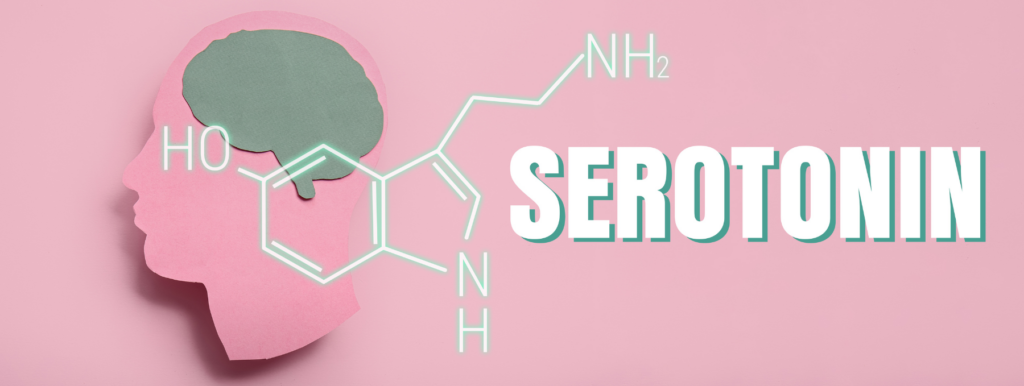
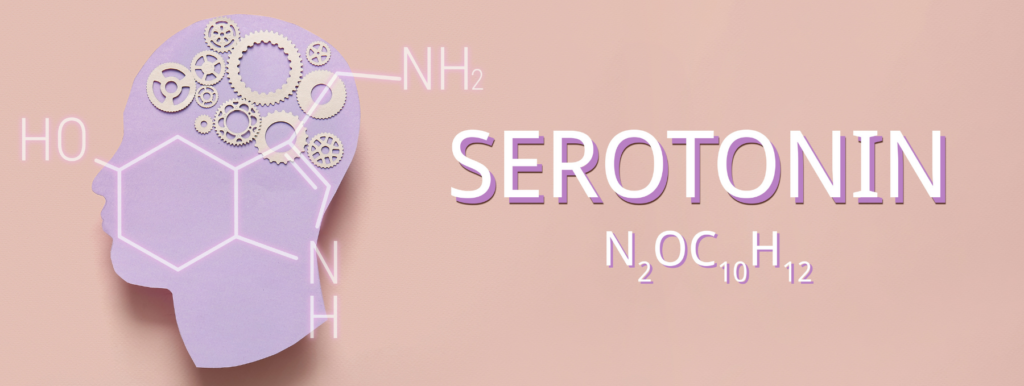
 Serotonin is a key neurotransmitter that significantly affects various functions in the body, including mood, sleep and cognitive processes. Often called the “feel-good hormone,” it plays a vital role in emotional well-being. Low serotonin levels are linked to mood disorders like depression, anxiety and obsessive-compulsive disorder (OCD). When serotonin levels drop, people may experience shifts in mood, sleep disturbances and problems with clear thinking.
Serotonin also significantly impacts cognitive function. Research indicates that it helps with memory, learning and decision-making. Maintaining optimal serotonin levels is also crucial for focus and attention, which are essential for effective cognitive performance. Cognitive difficulties often seen in mood disorders can be partly due to irregularities in serotonin levels.
The dietary supplement 5-HTP (5-Hydroxytryptophan) comes from the seeds of the Griffonia simplicifolia plant and is believed to help increase serotonin production in the brain. It works as a building block for serotonin and is converted into this neurotransmitter within the brain cells. By raising serotonin levels, it is thought that 5-HTP may help improve mood stability and boost cognitive abilities.
A Recent Study Investigates 5-HTP Benefits
A recent study aimed to evaluate the effects of 5-HTP supplementation on cognitive function and mood among older adults in Singapore. This study is significant as it focuses on a lesser-explored demographic, providing valuable insights into how 5-HTP could influence cognitive health in this population. The study was designed as a 12-week randomized controlled trial, involving 30 participants with an average age of 66 years. Participants were randomly assigned to two groups: one receiving 100 mg of 5-HTP daily and the other receiving a placebo. Cognitive function and mood assessments were carried out using standardized tools: the Montreal Cognitive Assessment (MoCA) for cognitive function, the Geriatric Anxiety Inventory (GAI) for anxiety levels and the Geriatric Depression Scale (GDS) for depressive symptoms. Additionally, researchers measured various cognitive function-related blood biomarkers, including amyloid beta and serotonin levels, to further understand the underlying mechanisms of any observed changes.
Key Findings Regarding 5-HTP Supplementation for Older Adults
This study was significant in that it presented several key findings which highlight the potential promise of 5-HTP supplementation for better mood and cognition in older adults.
 Improvements in Cognitive Function
One of the most significant findings was a notable enhancement in MoCA (Montreal Cognitive Assessment) scores for the 5-HTP group. The scores increased from 26.6 at week 0 to 27.6 at week 12, indicating improved cognitive performance. This enhancement suggests that 5-HTP supplementation may support cognitive function, possibly through its role in elevating serotonin levels in the brain.
Mood Enhancement
The study also revealed significant changes in mood for participants taking 5-HTP. The GDS (Geriatric Depression Scale) scores indicated a notable reduction in depressive symptoms, dropping from 1.2 at week 0 to 0.7 at week 8. These findings support the hypothesis that increasing serotonin levels may help alleviate mood disturbances, suggesting a potential therapeutic strategy for treating depression in older adults.
Serotonin Levels
As expected, the 5-HTP group exhibited a significant increase in serum serotonin levels. This finding is crucial because it underscores the relationship between 5-HTP supplementation and enhanced serotonin production, which may explain the observed improvements in cognitive performance and mood.
In spite of the promising findings regarding 5-HTP benefits relating to mood and cognitive function, the study did not find significant effects on anxiety levels, as measured by the GAI (Geriatric Anxiety Inventory), nor did it witness changes in other cognitive biomarkers. This selective impact emphasizes the need for deeper exploration of how 5-HTP interacts with various cognitive domains and emotional states.
Exploring the Significance of the Findings
The results of this study point to several important implications for public health and future research initiatives.
Potential Neurological 5-HTP Benefits
Given that cognitive decline poses significant challenges for aging populations, the findings suggest that 5-HTP may offer a promising avenue for enhancing cognitive health and potentially helping to prevent dementia. As people age, preserving cognitive function becomes increasingly vital not only for individual well-being but also for reducing the societal burden associated with cognitive disorders like dementia.
Research indicates that maintaining optimal serotonin levels can have a crucial impact on neuroplasticity—the brain’s ability to adapt and reorganize itself. By promoting neuroplasticity, 5-HTP may help fortify cognitive functions such as memory and learning, which are essential for combating age-related cognitive decline. Furthermore, boosting serotonin levels may also contribute to neuroprotection by regulating neurotrophic factors that support brain health.
The relationship between mood disorders, such as depression and anxiety, and the risk of developing dementia is well-established. By alleviating depressive symptoms, as demonstrated in the study, 5-HTP may indirectly reduce one of the pivotal risk factors associated with dementia. A proactive approach that includes 5-HTP supplementation could not only enhance immediate cognitive performance and mood but also serve as a foundational aspect of a comprehensive strategy aimed at preventing dementia in older adults.
Mood Management
 The observed reduction in depressive symptoms further highlights the potential of 5-HTP as a therapeutic option for managing mood disorders in older adults. As depression can severely impair one’s quality of life, identifying safe and effective supplements is essential in providing holistic care for aging populations.
While the findings are encouraging, the authors of the study cautioned against overgeneralizing these results due to the relatively small sample size (30 participants) and the short duration of the intervention (12 weeks). Larger, long-term studies are necessary to verify these results and determine how long-term 5-HTP supplementation affects cognitive function and mood.
5-HTP: A Beacon of Hope for Cognitive and Emotional Well-Being
The investigation into the effects of 5-HTP supplementation on cognitive function and mood in older adults presents promising evidence for its potential benefits. The study highlights significant improvements in cognitive performance and mood, providing an optimistic outlook for individuals seeking alternative methods to enhance their quality of life. Continued research in this area has the potential to inform public health strategies and improve the lives of older adults, offering hope for enhanced cognitive health and emotional resilience into the golden years.