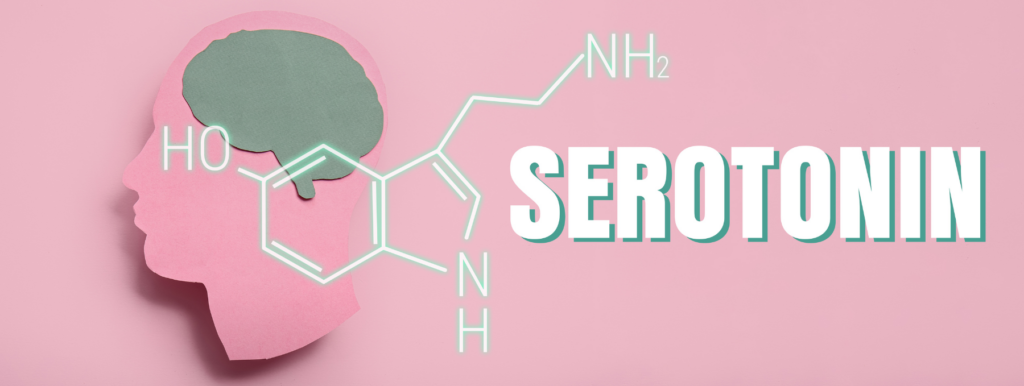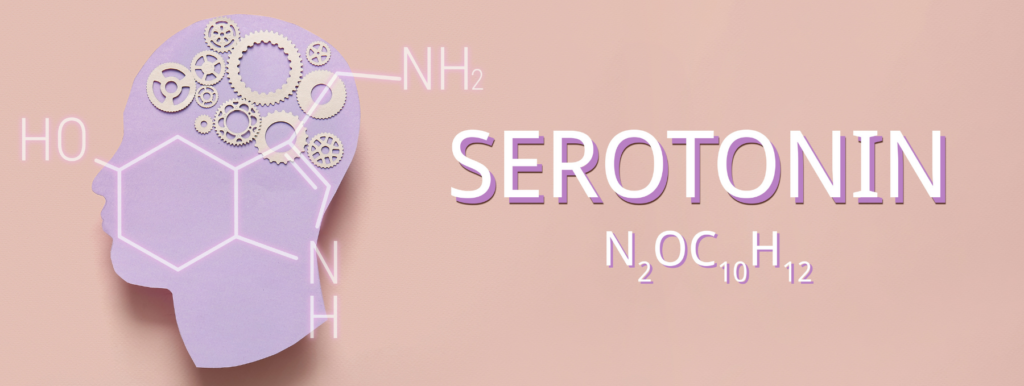
The relationship between the gut and the brain is increasingly recognized as a fascinating and vital area of research. Among the many elements that play a role in the gut-brain connection, serotonin stands out as a significant player. Although it is known primarily for its effects on mood and emotional well-being, serotonin also profoundly influences gut health. Here, we will explore the intricate relationship between serotonin and gut health; particularly how this connection may shape our overall well-being.
The Many Functions of Serotonin
Serotonin is a neurotransmitter with numerous functions in the body. Often referred to as the “feel-good” or “happiness” hormone, approximately 90% of the body’s serotonin is synthesized in the gastrointestinal tract — a fact that demonstrates the gut’s pivotal role in the production of this essential neurotransmitter.
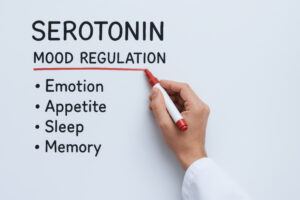 Although serotonin has many functions in the body, first and foremost, it is crucial for mood regulation. Serotonin’s impact on mood stability makes it significant in relation to mental health disorders, including depression and anxiety. Beyond mood, serotonin also plays a vital role in digestive health by regulating bowel function and motility. It also helps coordinate muscle contractions in the intestines, ensuring effective digestion and nutrient absorption.
Furthermore, serotonin is linked to sleep regulation, as it is a precursor to melatonin, the hormone that manages the sleep-wake cycle. This connection underscores serotonin’s importance in maintaining healthy sleep patterns. Additionally, it influences pain perception by modulating discomfort levels, especially within the gut. Lastly, serotonin contributes to blood clotting by causing blood vessels to narrow, thereby facilitating efficient healing. These diverse functions highlight the essential role serotonin plays in overall health.
Gut Microbiome: A Key Player
The gut microbiome is composed of trillions of microorganisms, including bacteria, fungi and viruses. This complex ecosystem is essential for various bodily functions, including digestion, metabolism, immune defense and even mental health. Among its numerous roles, the gut microbiome plays a particularly significant part in serotonin production.
Certain beneficial bacteria — notably Lactobacillus and Bifidobacterium — synthesize neurotransmitters, including serotonin, by producing short-chain fatty acids and other metabolites that enhance serotonin biosynthesis. However, when the gut’s microbial balance is disrupted (a condition referred to as dysbiosis), serotonin levels can drop. Dysbiosis is often linked to dietary choices, lifestyle factors and stress, which highlights the intricate connection between gut health and mental well-being.
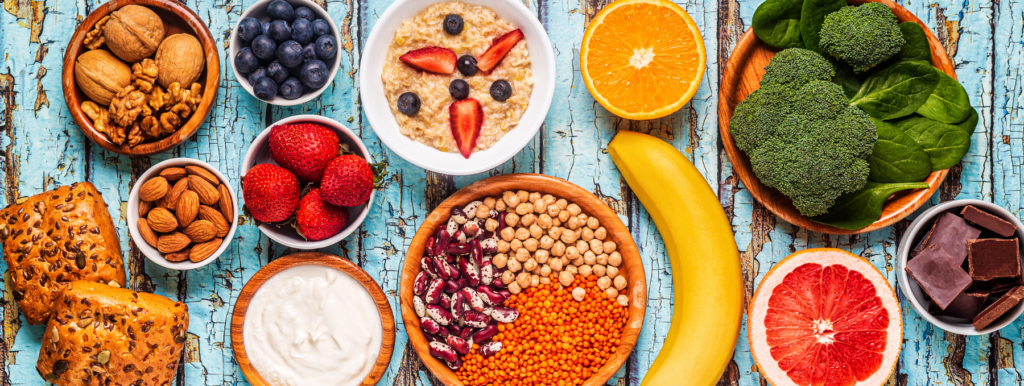
Incorporating certain foods into your diet can promote the growth of the beneficial bacteria necessary for serotonin production. Fruits and vegetables rich in dietary fiber serve as nourishment for beneficial bacteria. Fermented foods, such as yogurt, kimchi and sauerkraut, contain live bacteria that can enhance gut health. Whole grains, including oats and brown rice, provide fiber and other nutrients that foster the growth of good bacteria. Additionally, healthy fats, especially the omega-3 fatty acids found in fish and nuts, can help reduce inflammation in the gut and support a healthy microbiome.
Serotonin and the Gut-Brain Axis
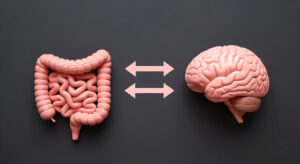
In addition to the direct role the gut microbiome plays in serotonin production, there exist other significant connections between the gut and the brain. The gut-brain axis is a two-way communication system that connects the gastrointestinal system and the central nervous system. This relationship allows the gut to impact mental health and, conversely, the brain to affect gut functions. Several mechanisms make this connection possible. First, there are neural pathways, like the vagus nerve, which act as a major channel for communication between the gut and the brain. Hormonal signals such as serotonin are also important, as they influence how the brain responds to stress and emotions. Additionally, besides aiding in serotonin synthesis, the gut microbiome can affect the immune system and inflammation levels in the body, which have a direct impact on brain health and mood.
Research has increasingly highlighted the impact of gut health on mental well-being, revealing that poor gut health can contribute to conditions like anxiety and depression. Numerous studies have demonstrated a link between dysbiosis and mood disorders. For instance, individuals with lower levels of beneficial bacteria often report higher rates of depression and anxiety, suggesting that probiotics, which help restore bacterial balance, may offer symptom improvement. Additionally, patients with Irritable Bowel Syndrome (IBS) frequently experience accompanying mood disorders, further indicating that gut health plays a significant role in mental health.
Lifestyle Factors That Affect Gut Health and Serotonin Levels
Several lifestyle choices can have profound effects on gut microbiome health and consequently on serotonin production.
Diet
A balanced and nutritious diet plays a critical role in supporting gut health and, by extension, mental well-being. The foods we consume directly influence the composition of our gut microbiome, which can affect various bodily functions, including serotonin production. Here are some dietary strategies to promote a healthy gut microbiome and enhance overall mental health.
 Fiber-Rich Food
A diet high in fiber supports the growth of beneficial gut bacteria, helping to maintain microbial balance. Foods like whole grains, legumes, fruits and vegetables are excellent sources of dietary fiber. Not only do they ease digestion but they also produce short-chain fatty acids (SCFAs) when fermented in the gut, which can stimulate serotonin production.
Fermented Foods
Incorporating fermented foods such as yogurt, kefir, miso and sauerkraut into your diet introduces live beneficial bacteria directly into your gut. These probiotics can enhance the diversity and abundance of gut microbiota, promoting the production of serotonin and other neurotransmitters.
Healthy Fats
Omega-3 fatty acids, found in fish, flaxseeds and walnuts, help reduce inflammation in the gut and can support gut microbiome diversity. These healthy fats are also linked to improved mood and cognitive function, suggesting that they may play a dual role in promoting both gut and brain health.
Limit Sugary and Processed Foods
Diets high in sugar and processed foods can negatively impact gut health by promoting the growth of harmful bacteria and reducing beneficial ones. A high sugar intake is associated with increased inflammation and may disrupt the microbiome balance, potentially lowering serotonin levels.
Hydration
Staying well-hydrated is vital for digestive health and nutrient absorption. Drinking plenty of water helps maintain mucosal lining in the intestines and supports the activity of beneficial gut bacteria.
Other Lifestyle Factors
In addition to diet, various lifestyle factors significantly influence gut health and overall well-being. Engaging in healthy habits can enhance the gut microbiome, promote serotonin production and improve mental health.
Exercise
Regular physical activity promotes gut health and can enhance serotonin production. Exercise has been shown to foster a diverse microbiome and improve mood through the release of endorphins and other neurotransmitters.
Sleep
Good quality sleep is essential for serotonin production. Sleep disturbances can disrupt hormonal balances in the body, including those which affect serotonin synthesis. Prioritize sleep hygiene to support both mental and gut health.
Stress Management
Chronic stress can negatively impact gut health and reduce serotonin levels. Employing stress-reduction techniques, such as mindfulness, meditation or yoga, can mitigate the detrimental effects of stress on both gut microbiota and serotonin production.
Avoiding Antibiotic Overuse
While antibiotics can treat infections, their overuse can significantly disrupt gut flora. Whenever possible, opt for natural remedies when appropriate and consult with a healthcare provider about the implications of antibiotic treatment for gut health.
The Therapeutic Potential of Understanding Serotonin and Gut Health
 Understanding the connection between serotonin and gut health has played a significant role in recognizing therapeutic potential for various conditions. In the realm of mental health disorders, probiotics are being investigated as a potential treatment for anxiety and depression. Ongoing research and clinical trials yield promising results, indicating that certain probiotic strains can directly influence mood and anxiety levels. Moreover, interventions aimed at improving gut health—such as dietary modifications and probiotic supplementation—may benefit those with mood disorders. These insights offer a complementary approach to traditional therapies.
Gastrointestinal disorders like Irritable Bowel Syndrome (IBS), which is characterized by abdominal pain and changes in bowel habits, often coexist with anxiety and depression. By focusing on optimizing gut health, those suffering from these conditions may experience improvements in both gastrointestinal symptoms and mental health outcomes. As our understanding of the gut microbiome progresses, the concept of personalized nutrition is gaining traction. Tailored dietary recommendations based on a person’s microbiome could significantly enhance both gut and mental well-being.
Nurturing Your Gut for Holistic Well-Being
The relationship between serotonin and gut health highlights the importance of a balanced microbiome for emotional and digestive well-being. Understanding how diet, lifestyle and gut health influence serotonin production can empower people to enhance their quality of life. Embracing holistic health approaches that integrate both gut and brain health can pave the way for innovative therapies and healthier lifestyles.