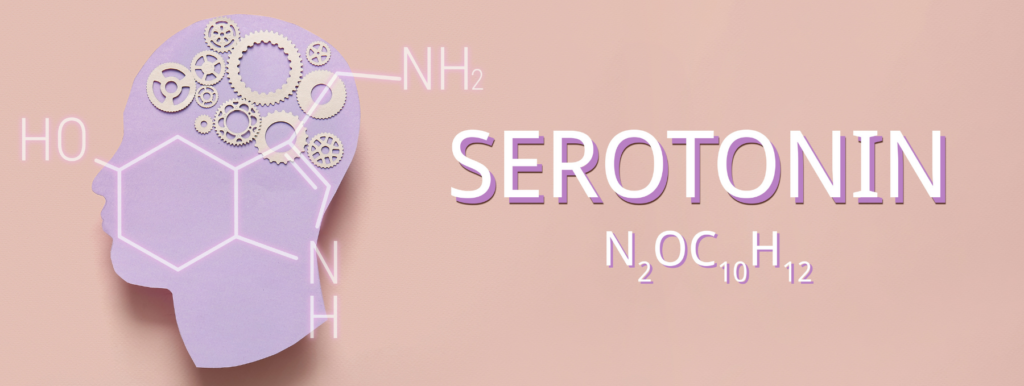

Serotonin is commonly associated with mood regulation and general well-being, but it plays a far more complex role in our bodies, particularly when it comes to metabolism. Read on to learn more about how serotonin affects metabolic processes and influences everything from appetite and fat storage to hormonal balance.
What is Serotonin?
Serotonin is an important neurotransmitter found in the brain, gut and blood platelets. It serves various functions throughout the body that are crucial for overall health. One of its primary roles is mood regulation, as it contributes significantly to feelings of happiness and well-being. Serotonin is also involved in regulating sleep; it converts into melatonin, a hormone that is critical for maintaining proper sleep cycles. What’s more, approximately 90% of serotonin is produced in the gut, where it plays a vital role in regulating bowel functions. While serotonin is best known for its role in supporting mental health, the increasingly recognized link between serotonin and metabolism is drawing attention in both research and health discussions.
The Impact of Serotonin on Appetite
Serotonin has a profound impact on appetite, acting within both the central nervous system and the gastrointestinal tract. Below are some of the key ways in which serotonin influences appetite.
 Satiety and Fullness
Serotonin profoundly impacts appetite control by acting within both the central nervous system and the gastrointestinal tract. Increased levels of serotonin have been linked to feelings of satiety; when a meal is consumed, serotonin is released, signaling to the brain that one is full. This neurotransmitter also modulates several pathways involved in appetite regulation. For instance, the hypothalamus, a brain region that regulates hunger and energy balance, receives serotonin signals that inhibit appetite. Additionally, serotonin influences food preferences — people with lower serotonin levels may experience heightened cravings which can lead to overeating.
Low serotonin levels are often associated with significant cravings for carbohydrates. When serotonin is deficient, people may turn to sugary or carb-rich foods for a quick mood boost. This can create a cycle of emotional eating and weight gain. Understanding this connection between serotonin and food cravings is important for developing effective weight management strategies and maintaining a healthy weight.
Energy Expenditure and Thermogenesis
Serotonin also plays a vital role in energy expenditure and thermogenesis, the processes through which the body converts food into energy. One significant aspect of this is its influence on brown adipose tissue (BAT), which is a type of fat responsible for generating heat in the body through non-shivering thermogenesis. Research indicates that serotonin affects BAT activity; higher levels of serotonin can stimulate this tissue, thereby increasing energy expenditure, particularly in cold environments. Additionally, serotonin enhances muscle activity and function by improving muscle contraction during physical activity. This improvement can lead to a more active metabolism, as higher levels of activity promote greater energy expenditure and contribute to healthier weight management.
Fat Storage and Distribution
The impact of serotonin on fat storage and distribution is a critical aspect of its role in metabolism. Serotonin plays a key part in regulating adipocytes, or fat cells, influencing how fat is stored in the body. Studies suggest that increased serotonin levels may promote healthier fat metabolism, which can affect both the quantity and distribution of body fat.
Those with optimal serotonin levels often exhibit better body composition, characterized by lower fat accumulation and a healthier distribution of adipose tissue. In contrast, low serotonin levels may contribute to an unhealthy body composition, leading to a greater propensity for central obesity. This relationship highlights the importance of serotonin in maintaining a balanced metabolic state.
Hormonal Interactions
Serotonin does not function in isolation. Instead, it interacts with various hormones that are crucial for metabolic processes. One major area of interaction is insulin secretion, due to the fact that serotonin influences how the body manages glucose and fat. Elevated serotonin levels can enhance insulin sensitivity, which is vital  for maintaining stable blood sugar levels. This relationship is particularly beneficial for weight management and for reducing the risk of insulin resistance.
Additionally, there is a bidirectional relationship between serotonin and cortisol, the stress hormone. Elevated stress levels can lower serotonin, resulting in increased cortisol production. In turn, high cortisol levels can negatively affect metabolism by promoting fat storage, especially in the abdominal region. This feedback loop creates challenges in managing weight and overall metabolic health, underscoring the complex interplay between serotonin and other hormones.
Implications for Weight Management and Health
Understanding the connection between serotonin and metabolism provides valuable insights for those seeking to manage their weight and improve overall health. By recognizing how serotonin influences appetite, energy expenditure and fat storage, it is possible to adopt strategies that enhance metabolic health.
Dietary Considerations
Incorporating foods into the diet that promote serotonin production can be particularly beneficial. Foods rich in tryptophan, which is a precursor to serotonin, include items such as turkey, nuts and seeds, fish (like salmon), eggs and dairy products. Not only do these foods help in serotonin synthesis but they also provide essential nutrients necessary for overall health.
Furthermore, consuming complex carbohydrates, such as whole grains, can increase serotonin production. Carbohydrates stimulate the release of insulin, which aids in the transport of tryptophan into the brain, subsequently boosting serotonin levels. This can play a significant role in reducing cravings and promoting a sense of satiety, thereby aiding in weight management.
Physical Activity
Regular physical activity has been shown to significantly enhance serotonin levels, leading to improvements in mood, appetite regulation and overall metabolic function. Engaging in aerobic exercises like running or cycling can boost serotonin synthesis, while resistance training contributes to longer-term increases in serotonin levels.
Additionally, mindfulness practices such as yoga and tai chi not only improve physical fitness but also reduce stress, which is crucial for maintaining balanced serotonin levels. This holistic approach to physical health can result in higher energy levels, improved emotional well-being and more effective weight management.
Mental Health Considerations
Given serotonin’s vital role in mood regulation, addressing mental health issues such as depression or anxiety can indirectly impact metabolism. Effective stress management and improvement in emotional well-being can foster better eating habits and help enhance motivation for physical activity.
For example, therapy, mindfulness practices or medication aimed at balancing serotonin levels may alleviate symptoms of anxiety or depression, making it  easier to focus on healthy lifestyle choices. This positive shift creates a more favorable metabolic environment where healthy habits can flourish, contributing to sustainable weight management and overall health improvement.
By integrating these dietary practices, physical activities and mental health considerations, it’s possible to harness the power of serotonin to optimize metabolic health, thereby promoting a balanced and healthy lifestyle. Recognizing the multifaceted role serotonin plays empowers people to make informed choices that can lead to long-term health benefits.
Serotonin: A Cornerstone to Metabolic Health
The relationship between serotonin and metabolism is complex and multifaceted, touching upon appetite regulation, energy expenditure, fat storage and hormonal interactions. By recognizing the factors that affect serotonin levels, it is possible to take actionable steps to enhance metabolic health through dietary choices, physical activity and mental well-being. As research continues to unveil the intricate connections between neurotransmitters and metabolic processes, we are able to gain valuable insights into effective strategies for weight management and overall health. By prioritizing healthy serotonin levels, it is possible to not only support mental health but to also facilitate a more balanced and efficient metabolism.