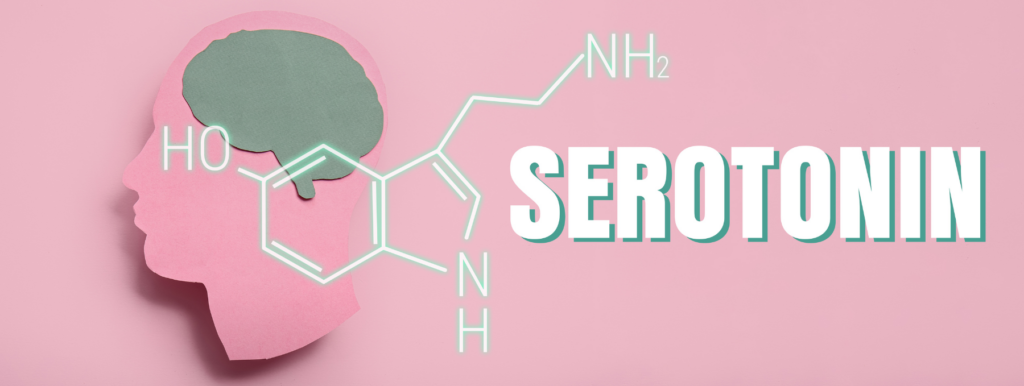

Serotonin is one of the brain’s most talked‑about neurotransmitters, and is linked to mood, sleep, appetite and much more. Yet a lot of what people believe about this important chemical is simplified or overstated. Below are some of the top facts about serotonin, explained clearly and practically so you can understand what it does, where it works and why it matters for your health and daily life.
1. Serotonin is synthesized from dietary tryptophan.
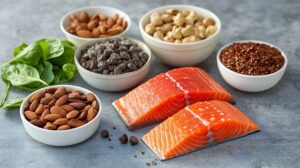 Serotonin (5-HT) is a neurotransmitter synthesized from the amino acid tryptophan, which is found in foods like meat, dairy, eggs, soy, nuts, seeds and whole grains. Although the body uses tryptophan obtained from food to make serotonin, only some of it gets into the brain because other amino acids compete with tryptophan to cross the blood–brain barrier. As a result, just eating more tryptophan can’t reliably increase brain serotonin levels.
In practice, this means that while protein‑rich foods supply tryptophan, overall meal composition and the balance of other large neutral amino acids determine how much tryptophan reaches the brain. Metabolic states, insulin release and the activity of transporters also influence availability, so simple dietary fixes are unlikely to produce large, consistent changes in brain serotonin levels.
2. Most of the body’s serotonin is produced in the gut.
About 90% of the body’s serotonin is produced in the gastrointestinal tract by enterochromaffin cells; the remainder is synthesized in the central nervous system, primarily in the raphe nuclei of the brainstem. Gut‑derived (peripheral) serotonin acts locally to regulate intestinal function and communicates with immune cells and enteric neurons. On the other hand, brain‑synthesized (central) serotonin modulates mood, cognition and other central processes. The fact that most serotonin is produced outside of the brain helps explain why serotonin also has important systemic roles unrelated to brain function.
3. Serotonin exists in two separate pools within the body.
Peripheral (body/gut) and central (brain) serotonin pools are largely separate because serotonin does not cross the blood–brain barrier. Thus, brain serotonin levels depend on local synthesis within the brain itself. This compartmentalization matters clinically and experimentally: Blood or urine measures of serotonin or its metabolites reflect peripheral activity only and cannot be used as direct markers of brain serotonin. Treatments or conditions that alter serotonin levels in the body or outside the brain, like tumors that release serotonin, don’t necessarily affect serotonin levels in the brain or how serotonin works in the brain.
4. Brain serotonin levels are not the sole determiner of mood.
In the brain, serotonin helps regulate mood and emotional balance but interacts with many other neurotransmitters, hormones and life‑context factors — it is not the sole determinant of mood. The simple “low serotonin” explanation for depression is misleading. Depression is multifactorial, involving genetics, dysregulation of other neurotransmitters (dopamine, norepinephrine), inflammatory processes, altered neuroplasticity, endocrine factors and psychosocial stressors. Serotonergic medications such as SSRIs can improve symptoms for many people, which shows serotonin’s relevance in relation to mood. However they often take weeks to work and don’t help everyone, which means improving mood usually needs more than just fixing serotonin—other body factors and life/psychological issues matter too.
5. Serotonin plays an important role in sleep.
Serotonin contributes to sleep regulation and is the precursor to melatonin, the hormone that helps synchronize circadian rhythms. In the brain, serotonergic neurons influence sleep architecture, REM‑sleep modulation and the sleep–wake cycle. Serotonin itself promotes wakefulness in some contexts and contributes to sleep onset in others, partly through its conversion to melatonin in the pineal gland. Disturbances in serotonergic signaling can therefore produce insomnia, daytime sleepiness and circadian rhythm disorders.
 6. Serotonin influences hunger and satiety.
Serotonin in the brain helps regulate appetite and satiety. This is why several weight‑loss drugs are designed to act on serotonergic pathways. Neurons in key hypothalamic and brainstem regions use serotonin signals to influence hunger, food choice and feelings of fullness. Drugs that boost serotonin can reduce appetite and caloric intake, but different serotonin receptors cause different effects and side effects. That’s why developing these drugs requires balancing how well they work at cutting appetite with potential cardiovascular and mental-health risks.
7. Serotonin plays a role in cognition and learning.
Serotonin affects cognition, learning flexibility and decision‑making by adjusting other neurotransmitter systems and the circuits they use. Rather than being a simple “mood molecule,” serotonin influences how the brain adapts to new information, shifts behavioral strategies and evaluates risk versus reward. Different serotonin receptors in the brain’s outer and inner regions affect planning, self-control and updating beliefs—skills important for mental health and daily thinking.
8. Serotonin regulates gut motility.
In the gut, serotonin regulates motility and secretion, helping to move food along and control fluid release; altered gut serotonin signaling is implicated in disorders such as irritable bowel syndrome (IBS). Cells called enterochromaffin cells release serotonin, which turns on gut nerves and reflexes that drive muscle waves (peristalsis) and fluid secretion. If serotonin levels are too high or too low, if receptors become more or less sensitive or if the system that removes serotonin (the transporter SERT) doesn’t work properly, normal gut function is disrupted. These changes can lead to IBS with mostly diarrhea, IBS with mostly constipation or increased gut pain sensitivity, a condition known as visceral hypersensitivity.
9. Serotonin contributes to cardiovascular health.
Platelets in the blood take up serotonin from the blood plasma and store it; they don’t make serotonin. When a clot forms, they release that stored serotonin, which helps control blood loss by affecting blood vessel tone and helping platelets stick together. Because most blood serotonin is found inside the platelets, blood tests mostly show how platelets are handling serotonin—not how much serotonin is actually in the body or brain. Additionally, serotonin can either narrow or widen blood vessels depending on which receptors are present and where they are located.
10. Serotonin plays a role in nausea and the vomiting reflex.
Cells in the gut release serotonin when they’re irritated, for example by chemotherapy or surgery. That serotonin activates nerve fibers that send signals up to the brainstem. In brainstem areas that control vomiting — like the area postrema and nucleus tractus solitarius — serotonin helps trigger the coordinated responses: feeling sick, increased saliva, stomach contractions and vomiting. Drugs called 5-HT3 antagonists block these serotonin receptors and are effective at preventing nausea and vomiting. Because other brain chemicals are also involved, doctors sometimes combine different anti-nausea medicines for better relief.
11. Taking multiple serotonergic substances together can be deadly.
Combining multiple serotonergic agents, such as prescription drugs, supplements like 5-HTP and St. John’s wort or illicit substances, can cause serotonin syndrome, a potentially life‑threatening condition characterized by agitation, hyperthermia, autonomic instability, tremor, hyperreflexia and neuromuscular abnormalities. Risk increases when drugs with additive serotonergic effects are combined l– for example, SSRIs taken with MAO inhibitors, certain triptans, some opioid analgesics or recreational drugs like MDMA. With serotonin syndrome, early recognition and prompt management — stopping offending agents, supportive care and sometimes targeted pharmacologic reversal — are critical to prevent severe complications.
 12. Supplements like 5‑HTP can boost serotonin levels.
5-HTP is a direct precursor to serotonin. After you take a 5-HTP supplement, your body converts 5-HTP directly into serotonin, bypassing the first enzymatic step in the usual conversion of tryptophan to serotonin. 5-HTP can help to raise to raise serotonin levels naturally, but effects depend on dose, absorption and individual metabolism. It is important to note that product purity and dosing vary and combining 5-HTP with prescription serotonergic drugs can increase the risk of serotonin syndrome. Anyone considering 5‑HTP or similar agents should consult a clinician, especially if they use antidepressants, triptans or other serotonergic medications.
Practical Takeaways
Serotonin has broad roles across brain and body. Its many receptors produce nuanced effects, and treatments target specific pathways and can have varied side effects. Avoid mixing serotonergic agents without medical advice and address mood disorders with a combination of targeted therapies, psychotherapy, lifestyle changes and attention to medical comorbidities.