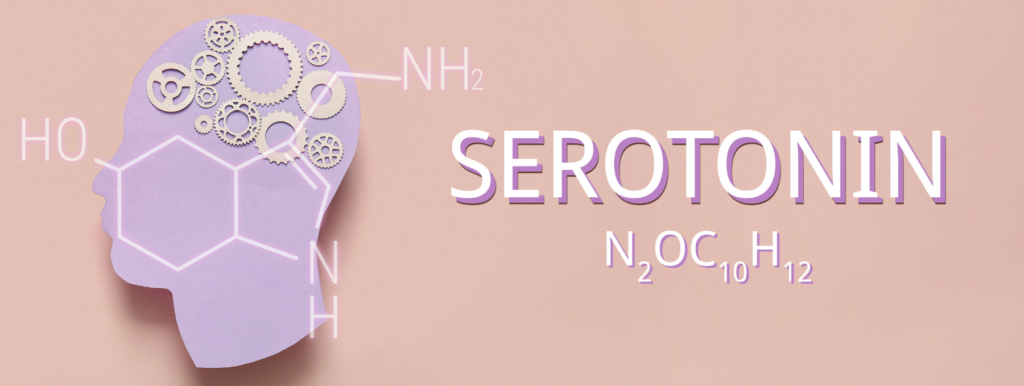
Tryptophan is an essential amino acid that has garnered significant attention in health and wellness communities for its critical role in mood regulation, emotional balance and overall well-being. As one of the building blocks of protein, tryptophan is vital for numerous physiological processes but its most notable function lies in its ability to influence serotonin production. Serotonin, often referred to as the “feel-good” neurotransmitter, plays a pivotal role in regulating mood, anxiety and even sleep cycles. Comprehending tryptophan’s role in serotonin synthesis goes beyond mere nutritional science; it involves an understanding of the complex interplay between diet, mental health and emotional stability. Read on to discover the relationship between tryptophan and serotonin and learn how supplementing with this amino acid could benefit mental health and the ability to cope with everyday stressors.
What is Tryptophan?
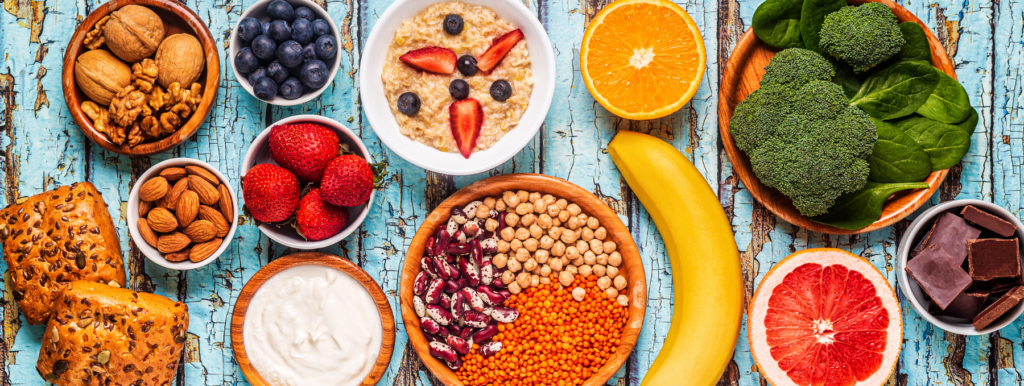
 Tryptophan is classified as an essential amino acid, which means that the body cannot synthesize it and must obtain it through dietary sources. This amino acid is prevalent in various protein-rich foods, including turkey, chicken, eggs, dairy products, nuts, seeds and soy. Once ingested, tryptophan undergoes several biochemical transformations to ultimately convert into serotonin, a crucial neurotransmitter.
The process of serotonin production begins with the intake of tryptophan-rich foods. After digestion, tryptophan is absorbed into the bloodstream. Following absorption, tryptophan is converted into 5-hydroxytryptophan (5-HTP), which serves as a key intermediate step in serotonin synthesis. Subsequently, 5-HTP is further transformed into serotonin, a process that occurs primarily in the brain. This conversion process requires specific nutrients, including vitamins B6, B12 and folate, underscoring the importance of a balanced diet: To maintain optimal serotonin levels, not only does one need sufficient tryptophan, but also the essential cofactors necessary for efficient serotonin production.
Factors That Influence Serotonin Production
The conversion of tryptophan into serotonin is a complex process that can be influenced by various factors. Understanding these elements is crucial for optimizing serotonin levels, as serotonin plays a significant role in mental health and emotional well-being. Several key factors can impact the efficiency of this important biochemical transformation.
Carbohydrate Intake
Carbohydrate intake plays a significant role in boosting the availability of tryptophan. Consuming carbohydrates stimulates the release of insulin, which promotes the absorption of amino acids into muscle tissues. This process facilitates a higher influx of tryptophan into the brain, where it can be converted into serotonin. Therefore, a balanced diet that includes carbohydrates can help enhance serotonin production.
Nutrient Availability
Nutrient availability is another essential factor. A diet rich in vitamins and minerals, particularly B vitamins (like B6 and B12) and magnesium, supports the enzymatic processes involved in converting tryptophan into serotonin. These nutrients act as cofactors that aid in the synthesis of serotonin, making them vital for optimal mood regulation.
Stress and Lifestyle Choices
Stress and lifestyle choices can also negatively affect serotonin levels. Chronic stress, lack of sleep and a sedentary lifestyle can impede the body’s ability to efficiently produce serotonin. Elevated stress levels can divert the body’s resources and focus away from neurotransmitter production, while insufficient sleep can disrupt the natural cycles of serotonin release. Consequently, addressing factors such as stress management and incorporating regular physical activity is crucial for maintaining healthy serotonin levels.
In summary, several interconnected factors—including carbohydrate intake, nutrient availability and lifestyle choices—play pivotal roles in the conversion of tryptophan into serotonin. By paying attention to these elements, it is possible to take proactive steps to make sure your body has the elements it needs to enhance emotional well-being and overall mental health.
The Role of Serotonin in Mental Health
Serotonin is integral to emotional well-being and physiological functions. As a key neurotransmitter, its levels can significantly influence mood, anxiety, sleep and even appetite. Low levels of serotonin have been associated with various mood disorders, including depression, anxiety and seasonal affective disorder (SAD). The critical role serotonin plays in these conditions underscores the importance of maintaining balanced serotonin levels for overall mental health. Below are several specific ways that serotonin can impact mental health.
1. Mood Regulation
Serotonin plays a crucial role in stabilizing mood and emotional health. Research indicates that people who suffer from depression often exhibit lower serotonin levels, which can lead to feelings of sadness, irritability and emotional instability. This connection has led to the hypothesis that enhancing serotonin production through dietary means—such as increasing tryptophan intake—might help mitigate depressive symptoms.
By boosting serotonin levels, it may be possible to experience improved emotional regulation, allowing for a greater sense of well-being and resilience in the face of daily stressors. Furthermore, therapy approaches that target serotonin pathways, such as selective serotonin reuptake inhibitors (SSRIs), reinforce the biochemical link between serotonin and mood stability.
2. Anxiety Relief
 The calming effects of serotonin extend to its role in anxiety relief. Studies have shown that higher serotonin levels can alleviate symptoms of anxiety and help sufferers cope with anxious feelings more effectively. This modulating neurotransmitter contributes to a sense of tranquility, thereby promoting emotional stability and reducing the frequency and intensity of anxiety episodes.
For those dealing with anxiety disorders, understanding the potential of serotonin to evoke calmness can be a gamechanger in managing their condition. Alongside lifestyle changes and cognitive-behavioral approaches, increasing serotonin levels can be an integral part of a holistic strategy to combat anxiety, allowing sufferers to more confidently engage in everyday life.
3. Sleep Improvement
The relationship between serotonin and sleep is particularly noteworthy. Not only is serotonin vital for mood regulation, but it also serves as a precursor to melatonin, the hormone that regulates sleep-wake cycles. Adequate serotonin levels are necessary for the natural production of melatonin, which helps induce sleep and maintain circadian rhythms. Inadequate serotonin can lead to sleep disturbances, making it challenging to achieve restorative rest.
Improving serotonin levels can thus have a ripple effect, allowing individuals to enjoy deeper, more restorative sleep and, as a result, enhanced daytime functioning. Healthy sleep patterns are crucial for overall mental health, making the serotonin-sleep connection yet another compelling reason to prioritize serotonin balance through diet, lifestyle and potential supplementation.
Supplementing with Tryptophan
Tryptophan supplementation has become increasingly popular for those seeking to improve their mood or relieve symptoms of anxiety and depression. Supplementing with tryptophan can provide numerous benefits, some of which are listed below.
Improved Mood
Research suggests that tryptophan supplementation can lead to increased serotonin levels, thereby contributing to a more stable and positive mood. Many users report experiencing fewer mood swings and heightened feelings of happiness after taking tryptophan supplements.
Anxiety Reduction
Tryptophan’s contribution to raising serotonin levels may help mitigate feelings of anxiety. Studies suggest that those who supplement with tryptophan experience a reduction in anxiety symptoms, enabling them to navigate daily stressors with greater resilience.
Better Sleep
Many people seeking to improve sleep quality find that tryptophan supplementation helps them fall asleep faster and achieve more restorative sleep. By promoting higher serotonin levels, the body is better equipped to produce melatonin, fostering healthy sleep patterns.
Possible Side Effects and Considerations
 While tryptophan supplementation can offer numerous benefits, it’s important to consider potential side effects. Common side effects may include:
- Drowsiness: Given its calming effects, tryptophan can cause drowsiness, particularly if taken during the day. Users should be mindful not to operate heavy machinery or engage in activities requiring alertness after taking it.
- Gastrointestinal Issues: Some individuals may experience nausea, stomach cramps or diarrhea, especially at higher dosages.
- Interactions with Medications: Tryptophan can interact with certain medications, particularly selective serotonin reuptake inhibitors (SSRIs). Consulting a healthcare provider is crucial if you are taking any medications.
Final Thoughts on Tryptophan and Serotonin
In sum, tryptophan is not only an essential amino acid but also a key player in the delicate balance of neurotransmitters that shape our emotional landscape. Tryptophan’s role in serotonin production positions it as a vital nutrient for mental health. By integrating tryptophan-rich foods into your diet and considering supplementation, you can take proactive steps towards significantly influencing your emotional well-being and fostering a healthier, happier life. As research continues to explore the complex relationship between diet and mental health, the promise of tryptophan as a natural mood enhancer remains encouraging.