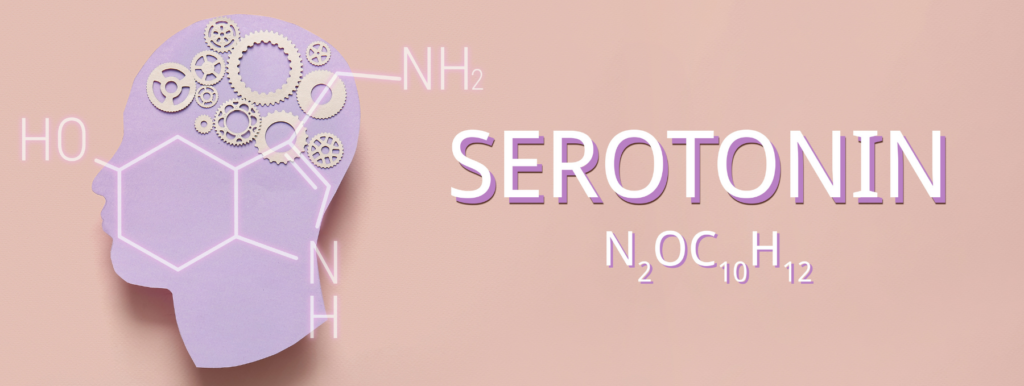

Serotonin is a neurotransmitter that helps regulate mood, sleep, appetite, pain perception and many involuntary bodily processes controlled by the autonomic nervous system (ANS). Because serotonin affects both the brain and the body, drugs used in psychiatry, neurology, infectious disease and pain management can all change serotonin signaling. Understanding which drugs affect serotonin, why it matters and what risks to watch for helps patients and caregivers recognize unwanted side effects, avoid unsafe combinations and discuss treatment choices with clinicians.
How Drugs Affect Serotonin Signaling
Medications influence serotonin in several principal ways. We will examine several of these below.
Reuptake Inhibition
Drugs that block the serotonin transporter (SERT), the protein that pulls serotonin back into the sending nerve cell, prevent neurons from reabsorbing serotonin, increasing its concentration between nerves so that it can act longer. This is the main mechanism of action of selective serotonin reuptake inhibitors (SSRIs), serotonin-norepinephrine reuptake inhitibors (SNRIs), tricyclic antidepressants (TCAs) and some other common antidepressants.
Enzyme Inhibition
Monoamine oxidase (MAO) enzymes, and MAO-A in particular, normally break down serotonin. Drugs that block these enzymes (MAOIs) slow that breakdown, so more serotonin stays available in the nervous system.
Receptor Modulation
Some drugs directly activate specific serotonin receptors, while others block certain receptor types. That targeted action can help with anxiety, migraine, nausea or psychosis, but can also cause side effects.
Increased Release
Certain stimulants and recreational drugs cause large amounts of serotonin to be dumped out of nerve endings quickly, which can produce strong—and sometimes dangerous—effects.
Indirect or Secondary Effects
Many medications affect serotonin indirectly—for example, antibiotics or opioids with MAOI-like activity that raise serotonin levels, herbal supplements that alter serotonin metabolism, or drugs that change serotonin receptor sensitivity over time. These indirect actions can still alter serotonin levels or interact with other serotonergic drugs.
What Drugs Affect Serotonin: Mechanisms, Drug Classes and Safety Risks
Major drug classes that affect serotonin include several well-known groups. Selective serotonin reuptake inhibitors (SSRIs) — such as sertraline, fluoxetine, escitalopram, paroxetine and citalopram — increase synaptic serotonin and are widely prescribed for depression, anxiety disorders, OCD and some pain syndromes. Serotonin–norepinephrine reuptake inhibitors (SNRIs) like venlafaxine, duloxetine and desvenlafaxine raise both serotonin and norepinephrine and are used for depression, generalized anxiety, neuropathic pain and fibromyalgia.
Tricyclic antidepressants (TCAs) — like amitriptyline, nortriptyline and imipramine — block the reuptake of multiple brain chemicals and also affect other receptors. They can help with depression and some chronic pain, but they have higher risks of anticholinergic side effects that come from blocking the neurotransmitter acetylcholine, such as dry mouth, blurred vision, constipation or urinary problems as well as cardiac risks. Monoamine oxidase inhibitors (MAOIs) such as phenelzine, tranylcypromine and high‑dose selegiline block an enzyme that breaks down mood chemicals like serotonin. They can be very effective but are usually saved for atypical or treatment‑resistant depression because they can interact with many foods and drugs, causing dangerous side effects.
Some drugs work by targeting specific serotonin receptors. For example, buspirone acts on the 5‑HT1A receptor to help with anxiety, and triptans like sumatriptan act on 5‑HT1B/1D receptors to stop migraine attacks. Other drugs block certain serotonin receptors: ondansetron blocks 5‑HT3 receptors to prevent nausea, and some atypical antipsychotics block 5‑HT2A receptors to help with psychotic symptoms. These actions let medications change serotonin signaling in focused ways.
Some drugs, including MDMA and some amphetamines, make nerve cells dump a lot of serotonin or strongly block its reuptake, causing a fast and sometimes dangerous spike in serotonin. Other medicines and supplements can also raise serotonin as a side effect — for example, the antibiotic linezolid (acts like a reversible MAOI), methylene blue, opioids such as tramadol and meperidine, the herb St. John’s wort and some drugs used for nausea or migraine.
 Clinical Effects of Altering Serotonin
Altering serotonin levels can produce both therapeutic benefits and side effects. Increasing serotonin often improves mood and lowers anxiety (as with SSRIs, SNRIs and some TCAs). It can also reduce how often or how bad migraines are (triptans for acute attacks; some antidepressants to prevent them), decrease nausea and vomiting (5‑HT3 blockers), and reduce some types of chronic pain (SNRIs, TCAs and select SSRIs in specific cases).
Common side effects reflect serotonin’s roles throughout the body. Gastrointestinal symptoms such as nausea, diarrhea or constipation are frequent because many serotonin receptors are in the gut. Central nervous system effects include agitation, insomnia or excess sleepiness, headache, tremor and sexual dysfunction such as decreased libido or delayed orgasm. Autonomic changes like sweating and appetite or weight changes can also occur. Over time the body’s serotonin receptors can adjust, so stopping these medications suddenly may cause withdrawal symptoms (dizziness, flu‑like feelings, mood changes or sleep problems).
Serotonin Syndrome: The Primary Safety Concern
When there is too much serotonin in the body — usually from taking more than one serotonergic drug or very high doses — patients can develop serotonin syndrome, a potentially life‑threatening condition. Common triggers include combining SSRIs, SNRIs or TCAs with MAOIs or adding drugs such as tramadol, linezolid, MDMA or certain triptans. Using several serotonergic medications or supplements at once (for example, St. John’s wort plus an SSRI) can also cause serotonin syndrome.
Symptoms of serotonin syndrome usually start within hours. Early signs include mental changes like agitation and confusion and autonomic problems like fast heart rate, high blood pressure or fever. Muscle and nerve symptoms such as tremor, overactive reflexes, repeated jerking (clonus) or stiffness and stomach upset can also occur. Severe cases can lead to very high body temperature, seizures, muscle breakdown (rhabdomyolysis) and organ failure. Very overactive reflexes and inducible or spontaneous clonus help doctors tell serotonin syndrome apart from similar conditions like neuroleptic malignant syndrome.
Treating serotonin syndrome starts by stopping all serotonergic drugs right away. Care focuses on stabilizing the person: cooling for fever, IV fluids and monitoring vital signs. Benzodiazepines can calm agitation and reduce muscle overactivity. For moderate to severe cases, a serotonin‑blocking drug such as cyproheptadine may be given and intensive‑care support provided as needed. Early recognition and prompt removal of the offending medications are essential.
Drug Interactions and Practical Guidance
Always tell prescribers and your pharmacist about all medications you take — prescription drugs, over‑the‑counter remedies, supplements (especially St. John’s wort) and recreational substances — because interactions can occur across different drug classes. Never combine MAOIs with SSRIs, SNRIs or TCAs. After stopping an SSRI, wait the recommended washout period before starting an MAOI. Washout times vary by drug and are longer for fluoxetine). Clinicians should consult prescribing guidelines for the exact intervals.
Be careful about adding drugs like tramadol, some cough medicines, certain anti‑nausea drugs or the antibiotic linezolid if you’re already taking an SSRI or SNRI — they can raise serotonin too. Watch for early signs of too much serotonin whenever you start, increase or add a serotonergic drug. When stopping these medicines, taper them as your clinician advises; stopping suddenly (especially short‑acting drugs) can cause dizziness, irritability, sleep problems and flu‑like symptoms.
Who Needs Extra Caution and When to Seek Help
 Some people need extra caution with serotonergic drugs. Older adults are more likely to get side effects like dizziness when standing, low sodium and falls and have higher interaction risk because they often take many medicines. People who are pregnant or breastfeeding should talk with their clinician about risks and benefits, since some drugs can affect the fetus or newborn while untreated depression also poses risks. People with liver or kidney problems may need lower doses because their bodies clear drugs more slowly.
Seek urgent medical care if someone taking serotonergic medications develops rapid‑onset high fever, severe agitation, muscle rigidity, marked shaking or clonus, a fast or irregular heartbeat or loss of consciousness. It is also important to contact a clinician promptly for any new or worsening symptoms after starting or increasing a serotonergic drug—especially when multiple drugs are being taken.
What Drugs Affect Serotonin: The Bottom Line
Many common medicines change serotonin in different ways: by blocking reuptake, stopping its breakdown, acting on receptors or causing large releases of serotonin. These effects can help with mood, anxiety, pain, migraine and nausea, but they also carry risks—especially when drugs are combined. Knowing the drug types, watching for interaction risks and early signs of serotonin syndrome, and telling your prescribers and pharmacist about every medicine or supplement you use will help keep treatment safer and more effective.