Serotonin is a critical neurotransmitter that helps regulate mood, appetite, sleep, digestion, cardiovascular function and more. Because serotonin imbalances can contribute to a range of symptoms, keeping serotonin pathways functioning well and maintaining healthy serotonin levels matters. If serotonin levels are low, it may seem logical to take a “serotonin supplement,” however it is impossible to meaningfully raise brain serotonin by taking serotonin orally. Below we will explain why serotonin pills don’t work, outline the risks of supplementing with serotonin and explore safer, evidence-based approaches to support healthy serotonin function — from prescription treatments to diet, supplements and lifestyle changes.
Taking a Serotonin Supplement: Why It’s Ineffective
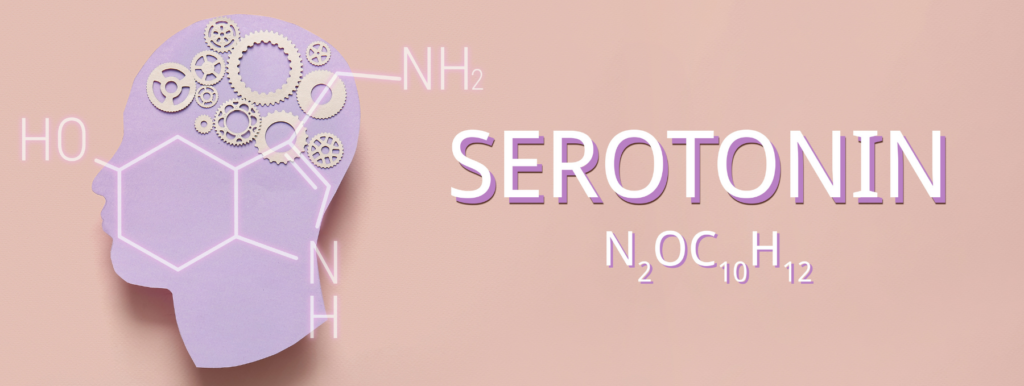
 Serotonin (5-hydroxytryptamine, 5‑HT) functions both in the brain and throughout the body, but the serotonin that influences mood is produced inside the brain. Taking a serotonin supplement won’t raise that central pool of serotonin in the brain for two main reasons.
First, serotonin in the bloodstream does not cross the blood–brain barrier (BBB) in meaningful amounts; brain serotonin is synthesized locally from the amino acid tryptophan through an enzymatic process, and peripheral serotonin (serotonin from the gut and blood platelets) cannot substitute for central serotonin.
Second, increasing serotonin levels outside the brain can cause unwanted effects such as nausea, diarrhea, changes in blood pressure and effects on platelet function or the cardiovascular system without improving mood. Because of these limitations, taking a serotonin supplement is neither effective nor recommended for treating mood disorders.
Prescription Treatments Increase Serotonin Signaling
Certain prescription medicines can increase serotonin activity in the brain by impacting the production, release, receptor activation, reuptake and breakdown of this important neurotransmitter. By doing so, they work to increase its overall activity to help treat depression, anxiety, some pain conditions and other disorders. These types of medications should be prescribed and monitored by a clinician.
SSRIs (selective serotonin reuptake inhibitors) like sertraline, fluoxetine and escitalopram work by preventing nerve cells from reabsorbing serotonin, so more of it stays available to improve mood over time. SNRIs (serotonin–norepinephrine reuptake inhibitors), such as venlafaxine and duloxetine, increase both serotonin and norepinephrine and can help with mood and certain chronic pain problems.
Other antidepressants like trazodone, mirtazapine and tricyclics affect serotonin in different ways and may be chosen based on symptoms or side-effect profiles. MAOIs (monoamine oxidase inhibitors) stop the enzyme that breaks down serotonin and other neurotransmitters; they can be effective but require strict attention to diet and drug interactions. For people who don’t respond to medication, brain‑stimulation treatments (ECT, TMS, and other neuromodulation methods) can also change the brain circuits involved in mood.
All these options can help, but they can cause side effects such as nausea, changes in sexual function and sleep disruption. In rare cases—especially when certain drugs or supplements are combined—they can trigger serotonin syndrome, a serious condition. That’s why medical supervision when taking these medications is important.
Dietary Precursors: Tryptophan and 5‑HTP
Because the brain makes serotonin from tryptophan, two nutritional strategies aim to boost serotonin production: dietary tryptophan and supplements such as L-tryptophan or 5-hydroxytryptophan (5-HTP).
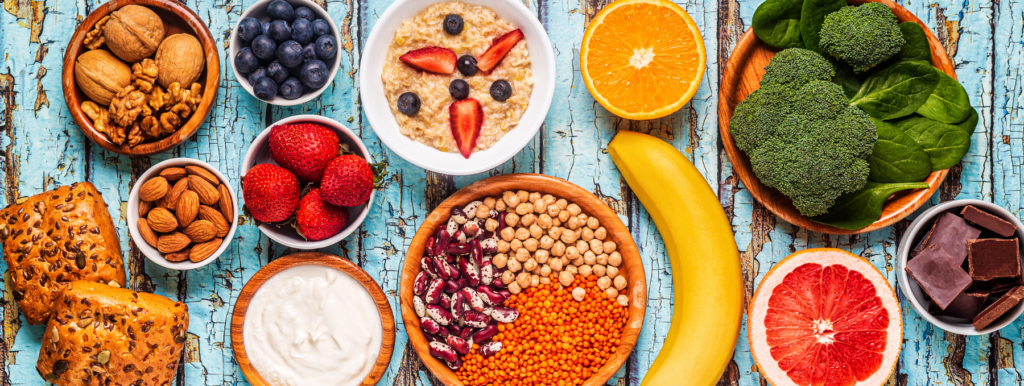
L‑tryptophan is found in foods such as poultry, eggs, dairy, nuts, seeds and soy, but its effect on brain serotonin is limited because it competes with other 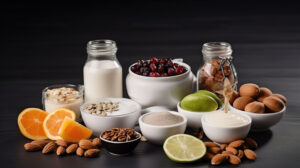 large neutral amino acids for transport across the blood–brain barrier. Consuming dietary tryptophan along with carbohydrate-rich meals can temporarily help more tryptophan get into the brain because insulin lowers other competing amino acids in the blood.
5‑HTP, the immediate precursor to serotonin, crosses the barrier more readily and has shown mood benefits for some people in certain studies and anecdotal reports, but it can cause gastrointestinal side effects and may dangerously interact with SSRIs, SNRIs, MAOIs, and other serotonergic drugs, risking serotonin syndrome. Supplement quality and dosing also vary.
If you’re considering supplements, discuss them with your prescriber—especially if you take antidepressants, migraine medications (triptans) or any other drugs that affect serotonin. Don’t combine 5‑HTP or tryptophan with prescription serotonergic medications unless a clinician specifically clears it. If a clinician approves a supplement, start at a low dose and monitor for side effects such as agitation, tremor, rapid heartbeat or fever, which can signal excess serotonin. Prefer reputable brands and products that undergo independent testing or certification when available.
Lifestyle Approaches That Support Mood and Healthy Serotonin Levels
Several non-drug strategies can reliably improve mood and support brain chemistry, often with lower risk than supplements.
- Regular aerobic exercise: Aerobic exercise increases neurotransmitter availability, including serotonin, and promotes neuroplasticity. Aim for about 150 minutes of moderate activity per week or 75 minutes of vigorous activity.
- Bright light exposure: Light therapy helps regulate circadian rhythms and mood; morning bright light for 20 – 30 minutes can be effective, especially for seasonal affective disorder.
- Sleep hygiene: Consistent sleep schedules and good sleep habits support neurotransmitter balance and emotional regulation.
- Psychotherapy: Cognitive-behavioral therapy (CBT) and other evidence-based therapies product durable improvements in mood and often work well with biological treatments.
- Social connection and purposeful activity: Social support, routines and meaningful activities boost emotional well-being through multiple biological and psychological pathways.
- Stress management: Mindfulness, relaxation techniques and behavioral activation reduce chronic stress that can dysregulate neurotransmitter systems.
Practical, Conservative Steps to Support Serotonin Levels
Talk with your clinician before starting any supplement, especially if you take antidepressants, migraine medications or other drugs—many interactions can be serious. Prioritize proven lifestyle approaches, aiming for regular aerobic exercise and maintaining a consistent sleep schedule with 7–9 hours per night. Get 20–30 minutes of bright morning light when possible. Combine these practices with psychotherapy (CBT or other evidence‑based approaches) for the best outcomes. Use dietary sources of tryptophan—poultry, eggs, dairy, nuts, seeds, legumes and soy—as part of a varied, balanced diet rather than relying on single “magic” foods. Pairing protein with carbohydrates can transiently improve tryptophan’s access to the brain.
 If you’re considering 5‑HTP or L‑tryptophan supplements, have your clinician review potential drug interactions, appropriate dosing and product quality, and choose brands with third‑party testing. Schedule regular follow‑up with your doctor to monitor benefits, adjust treatment and manage side effects when beginning any medication or supplement. Be sure to contact a primary care clinician or mental health professional if you have persistent low mood, anxiety, suicidal thoughts or significant functional impairment. These symptoms often require medical assessment and a tailored treatment plan. If you experience signs of serotonin syndrome — high fever, severe agitation, muscle rigidity, rapid heartbeat, dilated pupils or confusion — seek emergency care immediately.
Effective Ways to Support Serotonin Levels
You cannot meaningfully raise brain serotonin by taking a serotonin supplement, because peripheral serotonin does not cross into the brain and can cause side effects. Safer and more effective approaches include prescription medications when indicated, supervised use of precursors like 5-HTP or tryptophan and lifestyle interventions like exercise, sleep, light therapy and psychotherapy. Even though taking a serotonin supplement will not effectively impact brain serotonin levels, there are many other safer ways to boost serotonin naturally for optimum health and well-being.