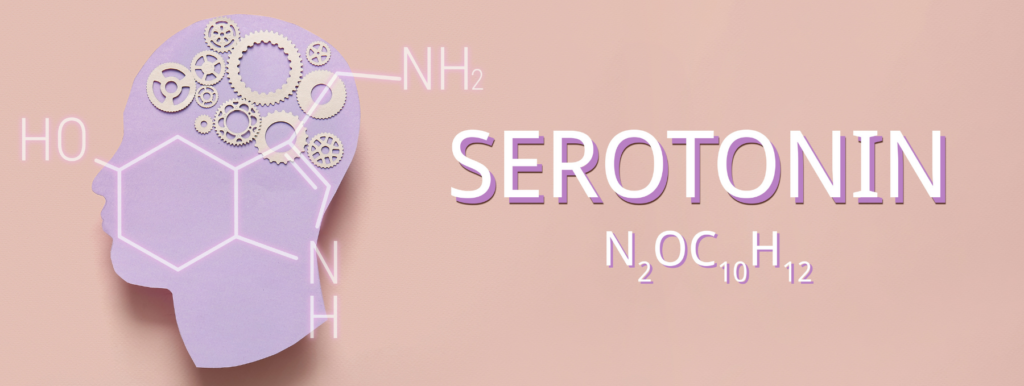
Serotonin is an important neurotransmitter that regulates mood, sleep, appetite and pain — but the brain needs specific raw materials to make it. Two key serotonin precursors are the amino acid tryptophan and its metabolite 5‑hydroxytryptophan (5‑HTP), both of which support serotonin production via different pathways. Below, we will examine what research says about the effects of tryptophan and 5-HTP on mood, important safety considerations and practical dietary and supplement guidance for maintaining optimum serotonin levels.
 What are Tryptophan and 5‑HTP?
Tryptophan is an essential amino acid found in a wide range of protein-rich foods such as poultry, eggs, dairy, nuts, seeds and legumes. Beyond its role as a constituent of dietary protein, tryptophan serves as a biochemical precursor for several important metabolites. Most notably it initiates the pathway that leads to the synthesis of serotonin. Because the human body cannot synthesize tryptophan, maintaining adequate dietary intake is necessary to support protein synthesis and the production of neurotransmitters and other tryptophan-derived compounds such as niacin and kynurenine.
The body turns tryptophan into serotonin in two simple enzyme steps. First, an enzyme called tryptophan hydroxylase changes tryptophan into 5‑HTP (5‑hydroxytryptophan). Next, another enzyme called aromatic L‑amino acid decarboxylase converts 5‑HTP into serotonin. These steps need helper molecules (cofactors) and depend on how active the enzymes are and how much tryptophan and other amino acids are available, so diet and body state can affect how much serotonin is made. 5‑HTP is also sold as a dietary supplement—typically extracted from the seeds of the West African shrub Griffonia simplicifolia. Taken by mouth it can raise central and peripheral serotonin levels because it crosses the blood–brain barrier and bypasses the first enzymatic step in the conversion of tryptophan to 5-HTP.
How the Serotonin Pathway Works
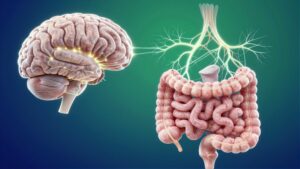
Tryptophan obtained from food is absorbed into the bloodstream. In the periphery (outside the brain), many tissues—including the gut, platelets and liver—take up tryptophan and convert it to 5‑HTP and then to serotonin via the enzymatic process described above. In short, tryptophan hydroxylase (TPH1) converts tryptophan to 5‑HTP, and then aromatic L‑amino acid decarboxylase converts 5‑HTP to serotonin. Most peripheral serotonin is produced in enterochromaffin cells in the gut and is important for gut motility, vascular tone and platelet function. Platelets take up peripheral serotonin from the blood but do not synthesize it themselves.
To affect levels of central (brain) serotonin, tryptophan in the blood must cross the blood–brain barrier using transporters that it shares with other large neutral amino acids like tyrosine and leucine. Because it shares transporters with these amino acids, it basically competes with them for entry into the brain. Once inside the brain, neuronal TPH (TPH2, a different form of TPH than that involved in serotonin synthesis in the periphery) converts tryptophan to 5‑HTP and then to serotonin, which can be used for neurotransmission or further metabolized to melatonin in the pineal gland. Because the tryptophan-to-5‑HTP step is rate‑limiting and exists separately in peripheral (TPH1) and central (TPH2) compartments, factors that alter plasma tryptophan levels, transporter competition or enzyme activity can change serotonin production differently in the brain versus the periphery.
Why Precursors Matter for Mood
The rate‑limiting step in serotonin synthesis means that levels of tryptophan in the brain strongly influence how much serotonin is made. If tryptophan levels in the brain are low relative to other amino acids, serotonin production falls. Oddly, very high‑protein meals can sometimes reduce brain tryptophan because they raise levels of competing amino acids more than they do tryptophan.
Because 5‑HTP lies downstream in the process of converting tryptophan to serotonin, supplementing with 5‑HTP can bypass the rate-limiting first step in serotonin synthesis and, in some situations, more directly increase levels of central serotonin. That’s why dietary context, meal composition and nutrient cofactors all matter when trying to support mood through precursors like tryptophan and 5-HTP.
What the Research Says About Mood
Research shows that the precursors tryptophan and 5-HTP can affect mood, but study quality and size vary. Trials of tryptophan supplementation report generally positive effects for mild to moderate depressive symptoms and some anxiety complaints, especially when dietary intake of tryptophan is low or a person is  more vulnerable. Experimental tryptophan‑depletion studies, where tryptophan is temporarily lowered, reliably cause short‑term mood worsening in susceptible people — evidence that tryptophan plays a functional role in mood regulation.
5‑HTP has been studied in randomized trials and meta‑analyses indicating it may reduce depressive symptoms and improve sleep and appetite for some people, but many of the existing studies are small. Head‑to‑head comparisons between tryptophan and 5‑HTP are limited. Because 5‑HTP bypasses the rate‑limiting enzyme needed by tryptophan, it may act faster in some contexts, but individual responses tend to vary.
Safety, Side Effects and Interactions
Supplements that influence serotonin carry safety considerations. Combining tryptophan and 5‑HTP with prescription serotonergic medications (SSRIs, SNRIs, MAO inhibitors or triptans) could raise the theoretical risk of serotonin syndrome, a potentially serious condition. Although such cases are rare, always consult a healthcare provider before combining supplements with medications.
Common side effects of tryptophan and particularly 5-HTP include nausea, diarrhea and stomach cramps. Past manufacturing problems with tryptophan led to severe adverse events decades ago; modern products are typically safer but quality varies, so choose reputable brands with third‑party testing. Pregnant or breastfeeding women should avoid tryptophan and 5-HTP unless a clinician advises otherwise.
Dietary Strategies to Support Serotonin Precursors Naturally
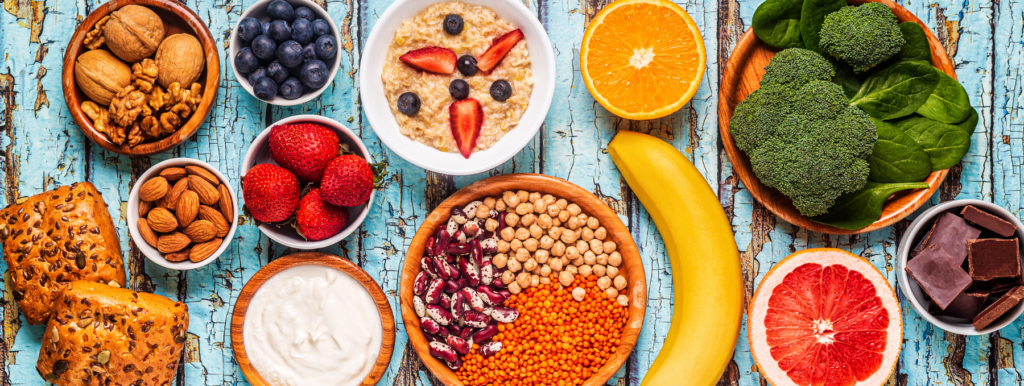
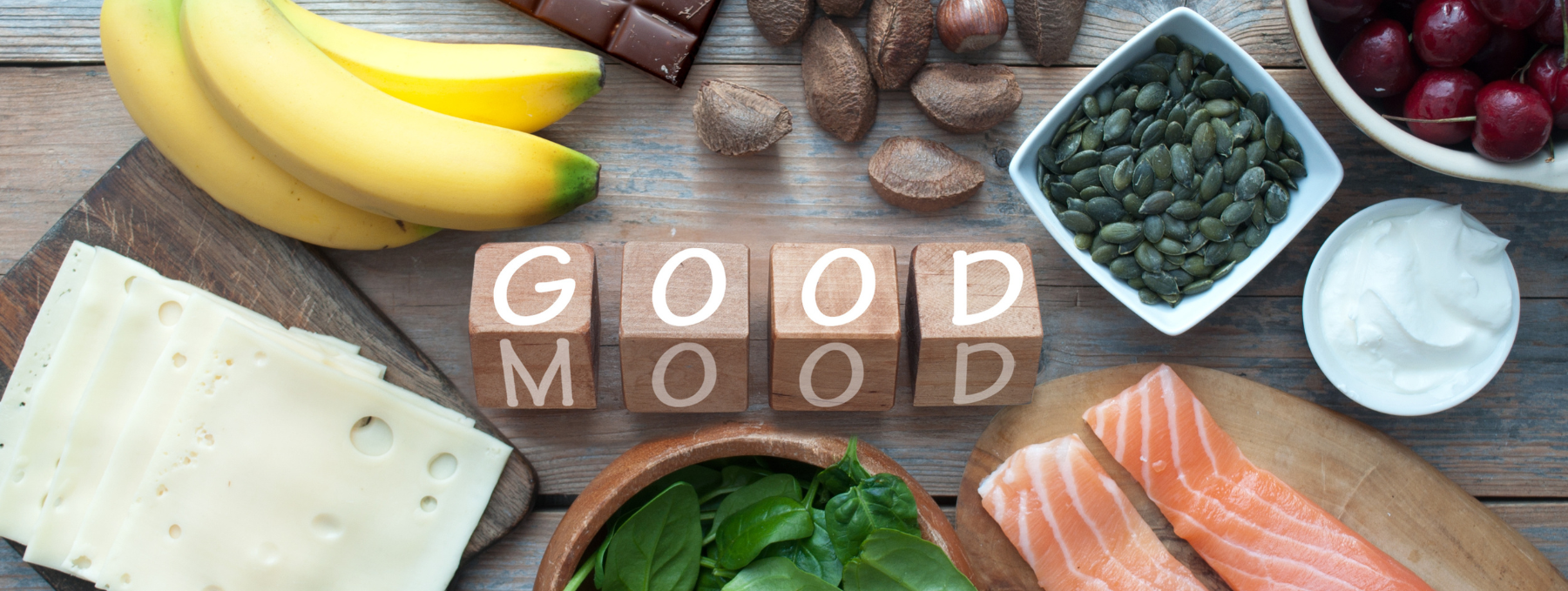
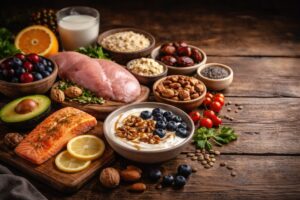
You don’t always need supplements to support serotonin precursors. Eating moderate protein alongside carbohydrates can help boost serotonin production because carbs trigger insulin, which lowers competing amino acids in the blood and makes tryptophan relatively more available to the brain. A small evening snack that’s carb‑forward but includes some protein (for example yogurt with fruit or oatmeal with nuts) can support sleep and mood.
Foods higher in tryptophan include turkey, chicken, eggs, dairy, tofu and other soy products, nuts, seeds and oats. Adequate intake of cofactors necessary for serotonin synthesis — especially vitamins B6 and B3, folate, and magnesium — supports the enzymes that convert precursors like tryptophan and 5-HTP into serotonin. Gut health matters too: A diverse, fiber‑rich diet and fermented foods support a microbiome that can favor healthy tryptophan metabolism.
When to Consider Supplements
Supplementing with tryptophan and 5-HTP can help support healthy serotonin levels, however trying lifestyle and dietary measures first is recommended. Consistent sleep, regular exercise, stress management and balanced nutrition often help both mood and sleep.
Consider supplements if those steps aren’t enough or if you prefer a supplement approach but always discuss risks with a healthcare provider — particularly if you’re on antidepressants or other serotonergic drugs. If you decide to use supplements, choose a reputable brand, start at a low dose, track symptoms and side effects, and give a few weeks to assess benefit.
Common Myths About Tryptophan and 5-HTP
Below are several common misconceptions about tryptophan, 5‑HTP and serotonin:
- Turkey and sleepiness: The belief that turkey alone makes you sleepy is overstated — post‑meal drowsiness after a large meal is usually driven by overall calorie load, blood flow redistribution and alcohol, not turkey’s tryptophan content.
 More precursor doesn’t equal more serotonin: Increasing dietary or supplemental tryptophan and 5‑HTP doesn’t automatically raise brain serotonin. Transport competition at the blood–brain barrier, the rate‑limiting enzyme that controls conversion, availability of cofactors (B6, B3, folate, magnesium) and downstream metabolism all influence how much serotonin is produced and where (central vs peripheral).
- Peripheral vs. central effects differ: Much tryptophan is converted to serotonin in the gut and other peripheral tissues, which affects gut motility, platelet function and vascular tone but does not directly change brain serotonin because serotonin does not cross the blood–brain barrier.
- Supplements carry real risks: 5‑HTP and tryptophan supplements can cause side effects such as nausea and GI upset and interact with prescription serotonergic drugs, with a theoretical risk of a dangerous condition called serotonin syndrome. Past manufacturing contamination issues centered on tryptophan, underscoring the importance of product quality and third‑party testing. Treat these supplements with the same caution as medications.
Tryptophan and 5-HTP: Final Takeaways
Tryptophan and 5‑HTP are meaningful biological precursors that can influence serotonin synthesis and, for some people, mood, sleep and appetite. Their effects depend on complex factors—dietary context, transporter competition, enzyme regulation, cofactors, peripheral versus central production and individual variability—so prioritize diet and lifestyle strategies first. If considering supplements, consult a healthcare provider. Always choose high‑quality products, start with lower doses, monitor effects and interactions and allow several weeks to judge benefit.