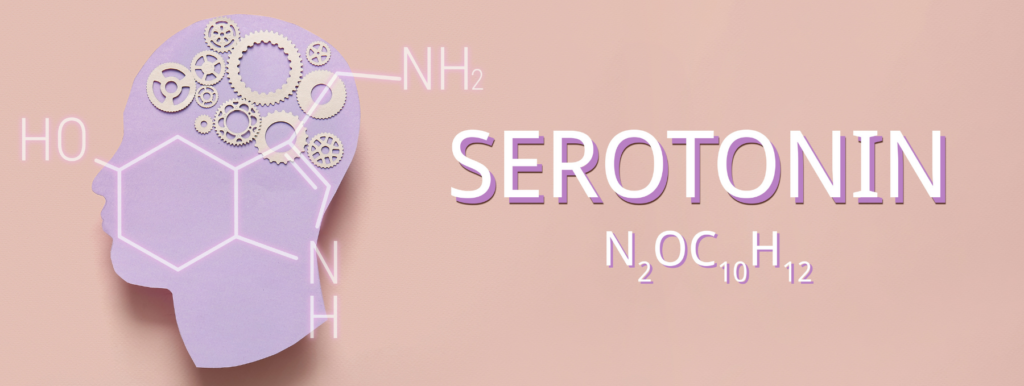
Tryptophan is the dietary precursor to serotonin, a neurotransmitter that influences mood, sleep, appetite and cognition. Tryptophan is an essential amino acid, meaning that it must be obtained from food. For vegans, deliberately eating tryptophan-rich plant proteins helps provide the raw material and supporting nutrients the body needs to make serotonin. Here, we will further examine how the body uses tryptophan to synthesize serotonin, as well as vegan serotonin foods that support healthy mood, sleep and more.
What is Serotonin?
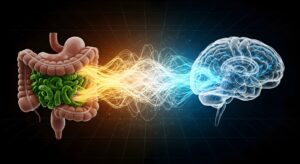 Serotonin is a neurotransmitter that plays a central role in mood regulation, sleep, appetite, pain perception and cognition. Central serotonin resides in the brain and central nervous system and helps stabilize mood, supports feelings of well‑being and contributes to impulse control and social behavior. Low central (brain) serotonin is associated with depression, anxiety, disturbed sleep and appetite changes.
Outside the brain, peripheral (body) serotonin regulates gut motility, contributes to platelet function and blood clotting and influences cardiovascular and immune responses. Because serotonin affects both mental state and several physiological systems, maintaining adequate serotonin production is important for overall health and daily functioning.
How Tryptophan Becomes Serotonin
Tryptophan from food travels through the bloodstream and must cross the blood–brain barrier to be converted into serotonin in the brain. It competes with other large neutral amino acids (LNAAs) such as leucine, isoleucine, valine, tyrosine and phenylalanine for the same transporter, so when there are higher levels of tryptophan in the blood (as opposed to LNAAs) it encourages brain uptake of this important serotonin precursor.
Meal composition also influences the ratio of tryptophan to LNAAs: Insulin released after carbohydrate-containing meals lowers levels of most competing LNAAs more than it does tryptophan, transiently increasing brain tryptophan uptake. The enzymes that convert tryptophan to serotonin also require cofactors—particularly vitamin B6, niacin (B3) and iron—as well as sufficient overall energy intake, so deficiencies in these nutrients or chronically low calorie intake can also limit the conversion of tryptophan into serotonin.
Why Vegans Usually Get Enough Tryptophan
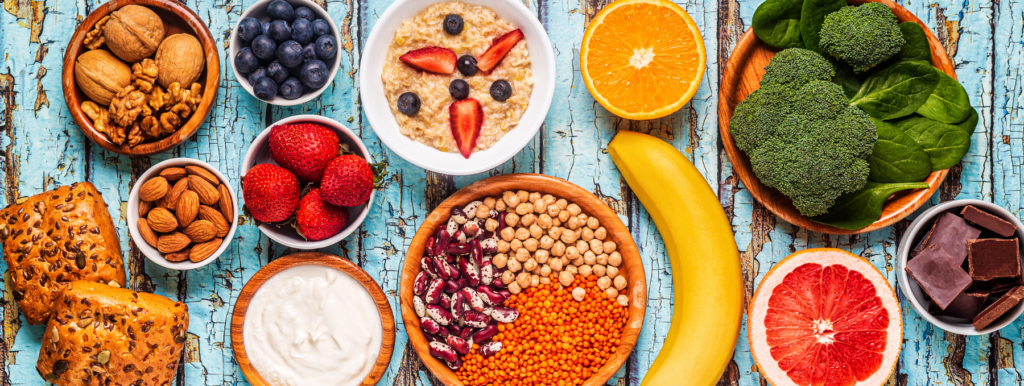
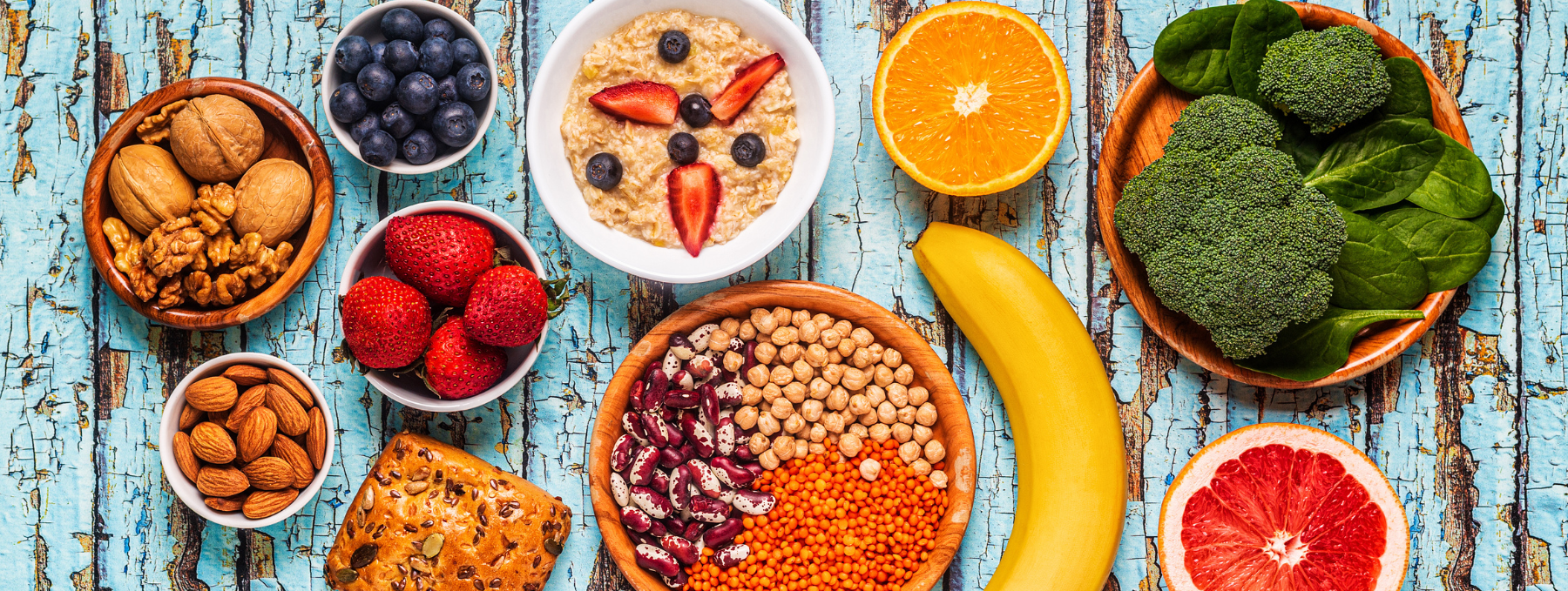
Many plant foods contain meaningful amounts of tryptophan—soy, legumes, nuts, seeds, oats, quinoa and whole grains among them—so eating a varied, protein-rich vegan diet typically provides more tryptophan than the minimal biochemical requirement. Consuming a range of these foods throughout the day increases total tryptophan in the blood and provides an optimal mix of amino acids. Combining plant protein with carbohydrates at meals (for example, eating rice with tofu or oats with fruit) can improve the blood tryptophan-to-LNAA ratio and support brain uptake of tryptophan because, as mentioned above, insulin released after consuming carbs lowers levels of competing LNAAs more than it does tryptophan.
Fortified plant milks, nutritional yeast and fortified cereals, along with a diverse whole-food diet, also tend to supply B vitamins (including B6 and niacin) and iron at levels sufficient for normal neurotransmitter synthesis in most people. When dietary variety or calorie intake is limited, targeted supplementation or lab monitoring can help prevent shortfalls.
Low Serotonin is Still Possible With a Vegan Diet
Very low calorie or very low protein intake, such as during extreme dieting or restrictive eating, can reduce absolute tryptophan availability. Malabsorption or gastrointestinal disease — for example, celiac disease or inflammatory bowel disease — can also impair amino acid uptake from the gut. Deficiencies of key cofactors such as vitamin B6, niacin (B3) and iron limit the enzymes that convert tryptophan to serotonin, and chronic inflammation or prolonged stress can shift tryptophan metabolism toward the kynurenine pathway, meaning more tryptophan is broken down to produce kynurenines instead of serotonin. Certain medications, genetic differences in serotonin-related enzymes or transporters and other medical conditions can also alter serotonin independently of diet. If a vegan has persistent low mood, sleep disturbance or related symptoms, medical evaluation including nutrient testing is warranted.
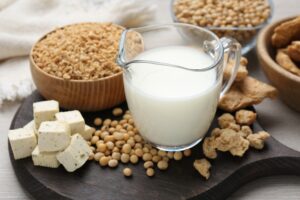 Eight High-Tryptophan Vegan Foods
1. Soy products (tofu, tempeh, edamame): Soy foods are among the highest plant sources of tryptophan and provide complete protein. Use firm tofu cubed and pan‑seared in stir‑fries, baked marinated tempeh in grain bowls or sandwiches and shelled edamame as a snack or salad topper. Choose fortified soy milk for breakfasts or smoothies to add B vitamins and calcium.
2. Lentils and beans (chickpeas, black beans): Lentils and beans are tryptophan‑rich, fiber‑dense and versatile. Add cooked lentils to salads or soups, make dal spiced with turmeric and cumin for dinner, roast chickpeas for snacks or mash black beans into tacos and spreads. Pair with rice or flatbread to balance amino acids and enhance tryptophan uptake.
3. Quinoa and oats: Quinoa is a complete plant protein that provides tryptophan; oats also provide tryptophan plus slow‑release carbohydrates. Use quinoa as a base for salads, bowls or pilafs, and cook oats as porridge with nut butter and seeds for breakfast. Combining these with fruit or a little maple syrup triggers insulin gently, improving tryptophan’s relative availability to the brain.
4. Pumpkin seeds and hemp seeds: These seeds concentrate tryptophan and supply healthy fats, magnesium and zinc. Sprinkle pumpkin or hemp seeds on oatmeal, yogurt‑style plant milk bowls, salads or roasted vegetables. Blend hemp seeds into smoothies or use pumpkin seed butter on toast for a quick, nutrient‑dense boost.
5. Sesame/tahini: Sesame seeds and tahini are rich in tryptophan and add flavor and fat to meals. Use tahini in dressings, hummus and sauces (e.g., tahini lemon dressing over a chickpea and quinoa salad) or sprinkle toasted sesame on stir‑fries and noodle bowls to increase tryptophan with little effort.
6. Peanuts/peanut butter and other nuts (almonds): Peanuts and tree nuts provide tryptophan along with calories and healthy fats. Spread peanut or almond butter on whole‑grain toast, blend into smoothies, stir into oatmeal or snack on a small handful with fruit. Nut butters pair well with bananas or apples for carb-plus-tryptophan meals that favor brain uptake of tryptophan.
7. Sunflower seeds: Sunflower seeds are an easy, tryptophan‑containing snack and a good source of vitamin E and magnesium. Toss them into salads, bake them into breads or granola, sprinkle over roasted veggies or stir into yogurt‑style plant milk bowls. Sunflower seed butter can substitute for other nut butters if needed.
8. Seitan (wheat protein): Seitan is concentrated wheat protein with a relatively high amino‑acid density — including tryptophan — useful for boosting overall protein intake. Use sliced seitan in stir‑fries, kebabs, sandwiches or fajitas; marinate and grill it to add variety. Note: seitan is not suitable for people with gluten sensitivity or celiac disease.
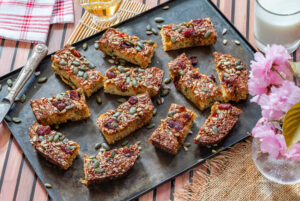 To favor uptake of tryptophan in the brain, combine plant protein with a carbohydrate source at meals. For example, tempeh with brown rice or peanut butter on whole‑grain toast. Include nuts and seeds such as pumpkin seeds, hemp or sesame daily for concentrated tryptophan and healthy fats. Use fortified plant milks or B‑vitamin–rich foods like fortified cereals or nutritional yeast to support necessary cofactors. Avoid chronic under‑eating and aim for adequate calories with a balanced distribution of protein and carbohydrates across the day.
It is important to seek medical evaluation if you have persistent low mood, sleep disruption, unexplained fatigue or signs of anemia. Your primary care physician can check iron, B12, B6 and niacin and refer to a dietitian or mental health professional as needed.
Vegan Serotonin Foods for Adequate Tryptophan
The bottom line: Vegans can benefit from deliberately including tryptophan-rich plant proteins, pairing them with carbohydrates and ensuring adequate B6, niacin, iron and calories. This approach supports steady serotonin synthesis for most people while minimizing the small risk that diet alone could limit serotonin.