People often talk about “serotonin” as if it’s a simple switch for mood. In reality, serotonin is part of a larger system that influences feelings, sleep, appetite and stress resilience. That system depends on biology that’s always running in the background: Your brain constantly makes and regulates serotonin, and your body constantly supplies the building blocks and signals it needs to do so. Because food affects how your body and brain work, it’s reasonable to wonder: Can meal timing—especially protein timing—change serotonin availability and, in turn, mood? Let’s unpack how this could work and how to apply it in a practical, understandable way.
Tryptophan Transport: Where Food Can Make a Difference
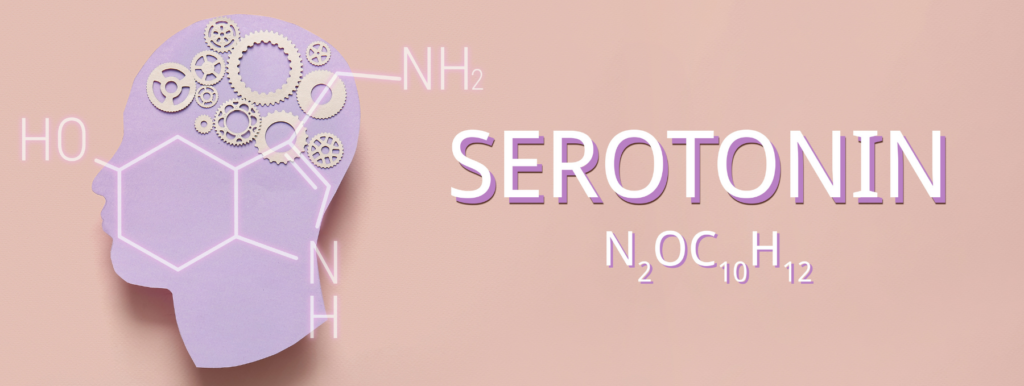
 The term “serotonin availability” usually refers to how much serotonin-related activity can occur in the brain, how efficiently the body can produce serotonin and how strongly serotonin signaling is regulated. Serotonin is made from the amino acid tryptophan, which comes from food as well as from protein breakdown within the body. For mood-related serotonin production, tryptophan must first reach the brain, where it’s converted into serotonin through a series of steps. The food you eat can affect serotonin levels both by supplying tryptophan and by changing how other amino acids compete with tryptophan for transport into the brain—an effect that helps explain why meal composition matters.
Tryptophan crosses into the brain using a transport system that is influenced by the levels of other amino acids in your blood. Large neutral amino acids (LNAA) compete with tryptophan for entry into the brain, so when LNAA are higher relative to tryptophan, less tryptophan enters the brain; when tryptophan is relatively more available, more tryptophan gets in. Meal composition shifts these relative levels of tryptophan and LNAAs. Additionally, carbohydrates can affect how the body handles amino acids after eating—one reason it is often said that carbs can sometimes “boost serotonin,” although the mechanism is not direct but is really about tryptophan transport. Protein plays a role too: it supplies tryptophan but also other amino acids, so the overall amino-acid mix and timing influence the outcome.
Protein and Serotonin: The Often-Missed Nuance
Protein is often viewed as generally “good,” so it’s tempting to assume that eating more protein automatically leads to more serotonin. But protein includes many amino acids, so higher intake can increase both tryptophan (serotonin’s precursor) and amino-acid competitors that limit tryptophan’s transport into the brain. As a result, the net effect of eating protein on tryptophan transport depends on the specific meal consumed and how your body processes the amino acids. In other words, a high-protein meal may provide more tryptophan, but the meal’s overall composition and timing can change the balance of amino-acid competition for transport into the brain.
Even if changes to serotonin levels do occur from eating more protein, mood effects are usually modest compared with bigger factors that are important to serotonin production like sleep quality, stress and overall nutrition. In other words, protein supplies the raw material, but it isn’t a single ingredient that directly “creates serotonin.”
Does Meal Timing Itself Matter?
Even if your daily macro totals don’t change, the timing of your meals can still influence your biology. Eating on a schedule that matches your circadian rhythms can affect metabolism, hormone release and brain signaling, while shifts in blood sugar patterns can influence how amino acids are handled. Meal timing also interacts with sleep timing and sleep quality, both of which strongly shape mood regulation. It can also affect stress and hunger cycles—factors that influence irritability, cravings and overall emotional resilience.
In practical terms, meal timing can affect mood by promoting more stable energy levels, helping you avoid big dips in energy throughout the day. I also affects mood by influencing stress reactivity, supporting easier sleep onset and better sleep maintenance and reducing appetite swings and cravings that can become mood-relevant. Serotonin-related pathways may contribute to mood, but mood isn’t driven by serotonin alone—it’s more like a multi-variable system.
The “Carb + Protein” Question
Some people notice that certain meals improve their mood more than others, and a common pattern is that meals including some carbohydrates—particularly in balanced amounts—can leave them feeling calmer or steadier afterward. One possible reason is that carbohydrates may shift the overall amino-acid environment and influence tryptophan-related transport dynamics, which can indirectly affect serotonin-related pathways.
That doesn’t mean you need carbs specifically in order to synthesize serotonin. It’s more that if your meals are very low in carbohydrates, tryptophan transport dynamics and the body’s metabolic conditions may differ, while more balanced meals may create a metabolic environment that feels more supportive of stable mood for some people. The practical takeaway isn’t to avoid protein or only eat carbs—it’s to build meals that are balanced and consistent with your individual needs and lifestyle.
 Protein and Mood: What the Evidence Suggests
Research on this topic often looks at biochemical markers or controlled outcomes like changes in mood or sleep after particular meal patterns. Across studies, the overall theme is that diet and meal composition can affect tryptophan availability and related serotonin activity, and that carbohydrates show a more consistent association with changes in tryptophan transport. Protein timing and composition can also shift the amino-acid balance, but findings are mixed and the effect can vary from person to person.
Even when these diet-related effects show up, they tend to be subtle and are unlikely to have the same impact as treating a mood disorder with supplements or medication. For general purposes, it’s reasonable to conclude that eating can influence serotonin-related pathways and possibly mood, but it’s unlikely to be a stand-alone solution.
Practical Strategies: Protein Timing for Mood Support
You may notice that meal timing affects serotonin-related mood regulation if you frequently experience low mood or irritability that improves after eating, afternoon “meltdowns” that seem linked to long gaps between meals, strong cravings followed by mood swings or worse sleep after certain dinner patterns. If any of those patterns show up, adjusting meal timing and composition is a reasonable, non-medication approach to try and see whether it changes how you feel. To experiment with protein timing for mood support, aim for patterns that support overall nutrition and stable mood rather than chasing a perfect “serotonin meal.” Here are some practical ideas that connect to the underlying biology without requiring a lab-level approach.
1) Don’t skip meals you know you need.
Irregular eating can lead to energy crashes, more stress on your nervous system and stronger cravings—each of which can harm mood. Many people feel better when they eat at consistent times. If you frequently go long periods without eating and then feel shaky, anxious or irritable, that’s a clue that meal timing and steadiness may matter more to you than the precise protein timing.
2) Pair protein with quality carbs when mood support is the goal.
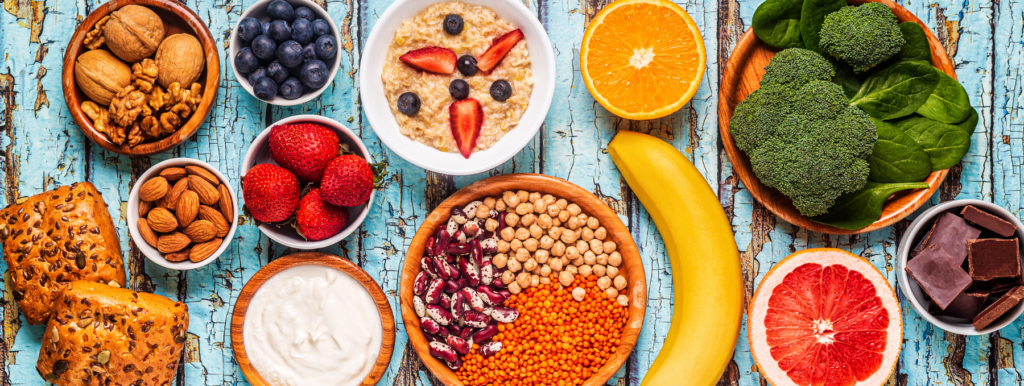
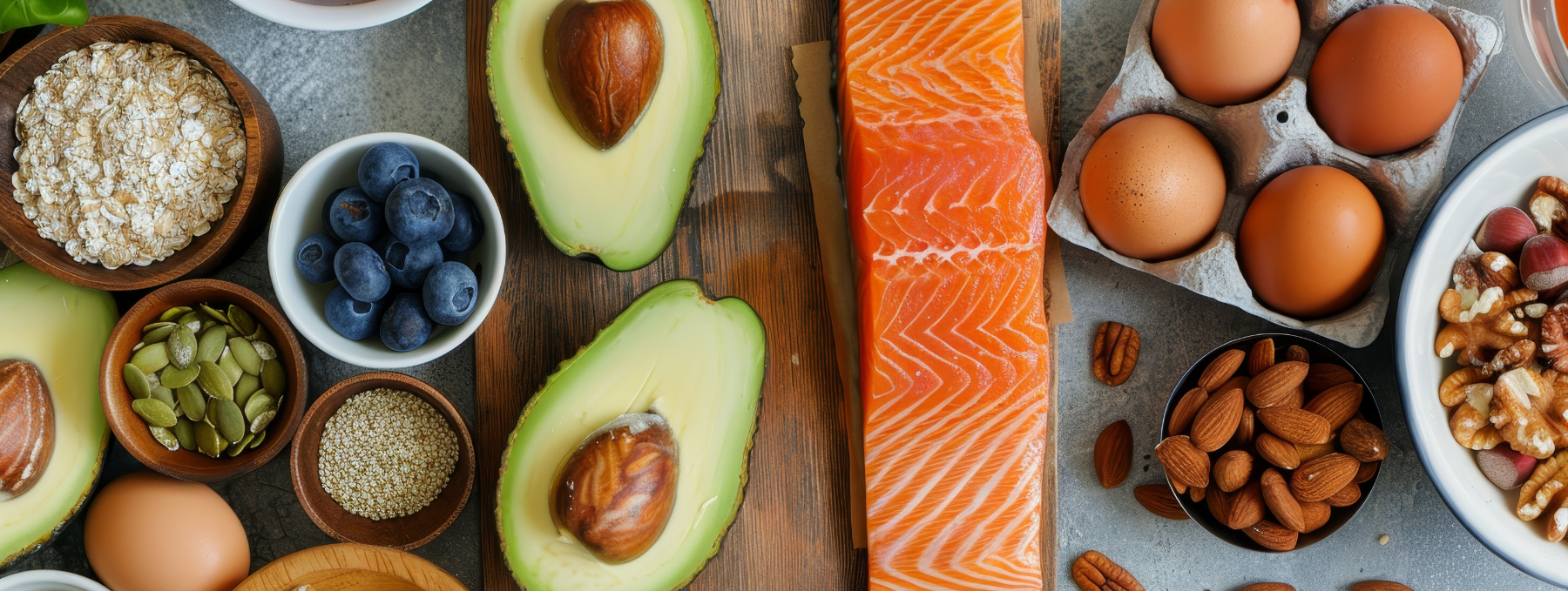
Instead of eating protein alone, try meals that combine a protein source (eggs, chicken, tofu, beans, yogurt) plus fiber-rich carbs (oats, brown rice, potatoes, beans, fruit) plus vegetables or other plant foods. This doesn’t need to be complicated. For example:
- Greek yogurt + oats + berries
- Chicken + rice + vegetables
- Tofu stir-fry + noodles or rice + vegetables
- Beans + rice + salsa + greens
This approach can support tryptophan transport dynamics and, just as importantly, support steady energy and digestion.
3) Spread protein across the day.
Many people do better mood-wise when they distribute protein intake across meals rather than concentrating it all at one time. Spreading protein can help stabilize energy and reduce extreme hunger swings. A simple approach would be to include a protein source at breakfast, include one at lunch, include one at dinner and then consume an optional protein-containing snack if needed for hunger control or activity demands.
 4) Be cautious about very heavy meals right before bed.
Be cautious with very heavy meals right before bed. If your goal is mood and sleep support, dinner timing matters because a large, heavy meal can worsen reflux, interfere with sleep or make you feel uncomfortably full. Often, mood takes a hit when sleep quality declines. If evenings are when you struggle most, try finishing your largest meal a bit earlier, keeping dinner balanced with protein, carbs and vegetables and avoiding huge meals late at night. This isn’t only about serotonin; it’s about protecting sleep quality.
5) If you’re experimenting, change one variable at a time.
If you’re experimenting, change one variable at a time. Mood is influenced by many factors, so to figure out what helps you, try following a consistent meal pattern for 1–2 weeks while paying attention to how you feel. Track sleep quality, cravings, irritability and energy using simple notes, and keep other habits as stable as possible during that period. That approach makes it much easier to notice what’s truly changing for you rather than getting mixed signals from multiple changes at once.
Protein and Mood: The Bottom line
Eating protein can influence the brain’s serotonin-related pathways, and meal composition/timing may affect mood for some people, but it’s not an instant or guaranteed “serotonin fix.” Protein timing and meal composition can influence the body’s amino-acid balance and tryptophan transport—processes connected to serotonin-related signaling. But the effect on mood is typically modest and individual, and it works best when meal timing supports stable energy and healthy sleep.