
Serotonin is one of the body’s most widely discussed chemical messengers. It plays a role in mood, sleep, appetite, digestion, pain perception and many other physiological processes. Because of this, it may be perceived that the terms “serotonin deficiency” and “serotonin syndrome” are opposite ends of the same spectrum, indicating the presence of either too little serotonin or too much. However, the reality is much more complex.
Serotonin syndrome is a recognized medical condition caused by excessive serotonin activity, which usually results from medications or combinations of substances that affect the serotonin system. It can develop rapidly and, in severe cases, be life-threatening. Serotonin deficiency, by contrast, is a broader and less clearly defined concept. Although altered serotonin signaling may be involved in a range of health conditions, it is not generally possible to diagnose a simple serotonin deficiency based on symptoms or a routine blood test. Understanding the difference between serotonin deficiency vs. serotonin syndrome is important—not only for patients and families, but also for anyone trying to make sense of claims about serotonin and health.
 What Is Serotonin?
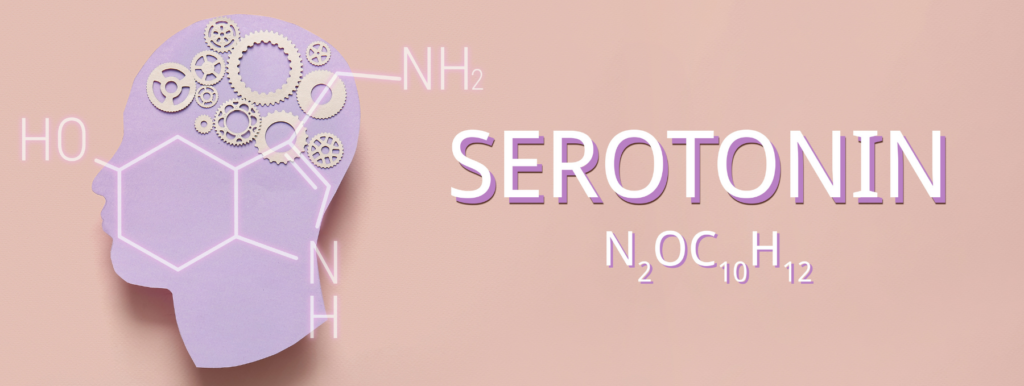
Serotonin, also known as 5-hydroxytryptamine (5-HT), is a neurotransmitter and signaling molecule that helps cells communicate throughout the body. It is particularly well known for its role in the nervous system, where serotonin is involved in processes like mood regulation, sleep, appetite, learning and aspects of pain perception. But serotonin isn’t found only in the brain.
A large proportion of the body’s serotonin is found in the gastrointestinal tract, where it plays important roles in intestinal motility and other digestive processes. Serotonin also interacts with the cardiovascular, immune and other systems. This broad distribution of serotonin helps explain why changes in serotonin signaling can have effects that extend far beyond mood.
What Is Serotonin Deficiency?
The phrase “serotonin deficiency” is commonly used when discussing the idea that insufficient serotonin activity may contribute to symptoms such as depression, anxiety, sleep problems or changes in appetite. This is because there is some biological basis for investigating serotonin signaling in these conditions. Serotonin pathways involve multiple receptors, transporters, enzymes and interconnected neural systems. Differences in serotonin signaling can influence how the brain and body function, however, the idea that a person simply has too little serotonin is an oversimplification.
Mental health conditions such as depression and anxiety are complex. They can involve genetics, brain circuitry, stress, inflammation, hormones, sleep, environmental factors and numerous neurotransmitter systems. Serotonin is just one part of this larger picture. In other words, experiencing depression does not automatically mean that someone has a measurable serotonin deficiency.
Can Serotonin Deficiency Be Diagnosed With a Blood Test?
Measuring serotonin levels in the blood does not provide a straightforward measurement of how much serotonin is available or active in a person’s brain. This is because serotonin in the bloodstream and serotonin signaling in the central nervous system are not the same thing. In other words, blood serotonin levels do not necessarily reflect what is happening with serotonin in the brain.
Instead, researchers can study serotonin and its metabolites using different biological samples and more specialized techniques. These methods can provide useful information about serotonin activity, but they are very different from having a simple, routine clinical test that indicate that brain serotonin levels are low. There is currently no standard blood test that can directly measure a person’s brain serotonin levels.
As a result, symptoms such as changes in mood, sleep, appetite or energy should not automatically be interpreted as proof of serotonin deficiency. These symptoms can have many different causes, and low serotonin is only one possible explanation. Therefore, it is important to be cautious about assuming that a person has a serotonin deficiency based only on their symptoms.
What Is Serotonin Syndrome?
Serotonin syndrome is a potentially serious reaction caused by excessive serotonergic activity in the body. It most often occurs after starting a serotonergic medication, increasing a dose, combining medications or taking another substance that increases serotonin activity. A number of medications and substances can affect serotonin, including certain antidepressants, some migraine medications, particular pain medications and other drugs or supplements. The risk can be especially important when multiple serotonergic substances are combined. Unlike the gradual and nonspecific symptoms sometimes attributed to low serotonin, serotonin syndrome can develop relatively quickly.
 Symptoms of serotonin syndrome can range from mild to severe and often involve several body systems. Possible symptoms include agitation or restlessness, confusion, sweating, rapid heartbeat, shivering or tremor, muscle twitching or overactive reflexes, nausea, vomiting, diarrhea, muscle rigidity and elevated body temperature. In severe cases, serotonin syndrome can lead to seizures, severe muscle breakdown, organ complications, loss of consciousness and other life-threatening problems.
One reason healthcare professionals take serotonin syndrome seriously is that its symptoms can progress rapidly. If someone develops concerning symptoms after starting, increasing or combining medications that affect serotonin, they should seek prompt medical evaluation rather than attempting to determine on their own whether they might have too much serotonin in their body.
It is important to note that serotonin-promoting foods are very unlikely to cause serotonin syndrome. Eating foods that contain tryptophan—the amino acid used to make serotonin—is fundamentally different from taking medications that can substantially alter serotonin signaling. The risk comes primarily from pharmacological effects and drug or substance interactions. This is why it is important to tell a healthcare professional about all medications, supplements and other substances being taken before starting a new serotonergic medication.
Serotonin Deficiency and Serotonin Syndrome: Not Mirror Images
It may be tempting to think of serotonin deficiency vs. serotonin syndrome as low serotonin versus high serotonin, however this isn’t an accurate representation of serotonin biology. Serotonin syndrome is specifically a clinical toxicity caused by excessive serotonergic activity. The phrase “serotonin deficiency” is generally used much more broadly to describe a proposed state of reduced serotonin availability or signaling: it doesn’t represent a single standardized medical condition with a universally accepted diagnostic threshold.
This distinction matters because it prevents two common misconceptions. First, not every symptom associated with mood, sleep or pain indicates low serotonin. Second, serotonin syndrome isn’t simply a severe version of having too-high levels of serotonin. It is an acute toxic state associated with excessive serotonergic stimulation, typically in the context of medications or other substances.
Why Serotonin Is More Complicated Than “Too Little” or “Too Much”
One of the challenges in understanding serotonin is that its effects depend on where in the body it is acting, which receptors are involved and how the signaling system is functioning. There are numerous serotonin receptor types, and they can produce different effects in different tissues. The body also carefully regulates serotonin production, release, reuptake, metabolism and breakdown.
This means that serotonin biology isn’t like filling a container with water. More isn’t necessarily better and less isn’t necessarily worse in every tissue or circumstance. The same signaling molecule can have very different effects depending on the biological context. This complexity is one reason researchers continue to investigate serotonin’s role in depression, anxiety, sleep, gastrointestinal function, chronic pain, neurodegenerative diseases and many other conditions.
How Do Antidepressants Fit In?
Antidepressants provide a useful example of why the serotonin story isn’t simply that increasing serotonin makes everything better. Selective serotonin  reuptake inhibitors, or SSRIs, affect serotonin signaling by blocking the serotonin transporter and changing how serotonin is handled between nerve cells. However, their effects are not equivalent to simply adding more serotonin to the brain.
And while serotonergic medications can be effective treatments for many people, they can also have side effects and, in certain circumstances, contribute to serotonin syndrome—particularly when combined with other serotonergic substances. This is one reason medications should be taken exactly as prescribed and medication combinations should be reviewed with a healthcare professional.
Serotonin Deficiency Vs. Serotonin Syndrome: The Bottom Line
Serotonin deficiency and serotonin syndrome are not simply two opposite conditions. Serotonin deficiency is a broad term sometimes used to describe reduced or altered serotonin signaling. While serotonin plays an important role in many biological processes, there is no simple routine test that can confirm that someone has a specific deficiency of serotonin in the brain. Serotonin syndrome is different. It is a recognized and potentially dangerous condition caused by excessive serotonergic activity, most often involving medications or combinations of substances.
This distinction is important because both terms are often misunderstood. Rather than viewing serotonin on a simple scale from “too little” to “too much,” it is more accurate to think of it as part of a complex signaling system involving the brain, gut, receptors, medications, hormones and many other biological processes. That may be less catchy than calling serotonin the “happiness chemical,” but it is much closer to what scientists actually understand about serotonin.