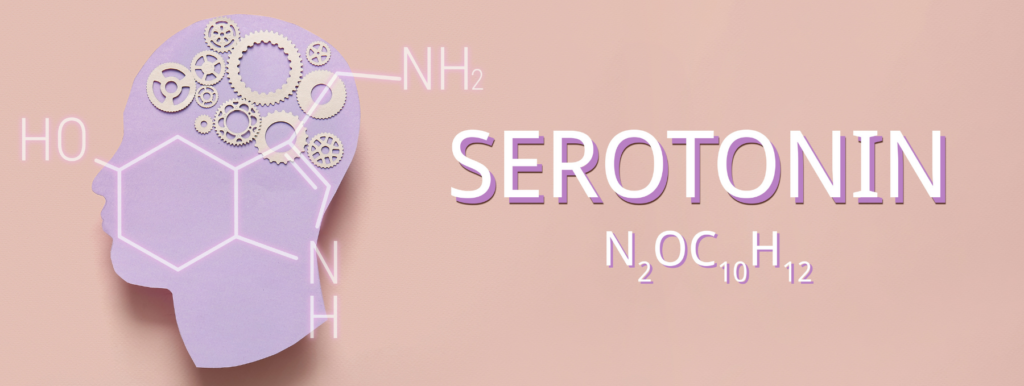
Serotonin is a neurotransmitter involved in mood, sleep, appetite, digestion and many other functions throughout the body. While food does not directly supply the brain with serotonin, what you eat can influence the availability of nutrients that the body uses to make it. One of the most important of these nutrients is tryptophan, an essential amino acid found in many protein-containing foods. Diet can affect how much tryptophan is available to the brain, which in turn can influence serotonin production. However, this doesn’t mean that eating a particular food will automatically raise serotonin levels or improve your mood. The relationship between serotonin and diet is more complicated than simply eating foods that contain serotonin; it involves several biological processes, and mood is influenced by many factors beyond serotonin.
What Is Serotonin?
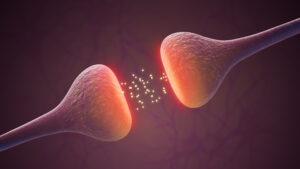 Serotonin is a chemical messenger that helps nerve cells communicate. In the brain, serotonin is involved in regulating mood, sleep, appetite and other functions. Serotonin also plays an important role in the digestive system. Interestingly, most of the body’s serotonin is produced outside the brain, particularly in the gastrointestinal tract.
The serotonin produced in the gut and the serotonin produced in the brain represent largely separate pools. Serotonin made in the digestive system does not simply travel into the brain and increase brain serotonin because it cannot readily cross the blood-brain barrier. This distinction is important when discussing serotonin and diet. Eating foods that contain serotonin building blocks does not necessarily increase the amount of serotonin available in the brain.
How Does Diet Affect Serotonin?
The connection between serotonin and diet largely centers around tryptophan. Tryptophan is an essential amino acid, meaning your body cannot produce it on its own and must obtain it from food. It is also the starting material the brain uses to make serotonin. Tryptophan is found in foods such as poultry, fish, eggs, dairy products, soy, nuts, seeds and other protein-containing foods.
Once tryptophan is absorbed into the bloodstream, some of it can cross the blood-brain barrier and be used by the brain to produce serotonin. However, tryptophan has to compete with several other amino acids for transportation into the brain. This means that the amount of tryptophan you consume isn’t the only factor that matters. The amount of tryptophan relative to these competing amino acids is also important.
Does Eating More Protein Increase Serotonin?
It might seem logical that eating more protein would automatically increase serotonin because protein contains tryptophan. In reality, the situation is more complicated. A typical protein-rich meal contains tryptophan along with several other amino acids that compete with tryptophan for transportation into the brain. As a result, simply eating a large amount of protein doesn’t necessarily increase the amount of tryptophan that reaches the brain. In fact, a typical high-protein meal can decrease the ratio of tryptophan to competing amino acids in the bloodstream.
This doesn’t mean protein is bad when it comes to boosting serotonin or that you should avoid protein. Protein is essential for overall health and provides numerous nutrients the body needs. It simply means that the relationship between protein intake and brain serotonin isn’t as straightforward as “more protein equals more serotonin.”
What Is the Connection Between Carbohydrates and Serotonin?
Carbohydrates have an interesting relationship with serotonin because they can affect the availability of tryptophan in the brain. When you eat carbohydrates, your body releases insulin. Insulin encourages several amino acids that compete with tryptophan to move from the bloodstream into muscle tissue. Tryptophan is affected differently, partly because much of it circulates bound to a blood protein called albumin. As the competing amino acids decrease in the bloodstream, the relative availability of tryptophan increases, potentially allowing more tryptophan to enter the brain.
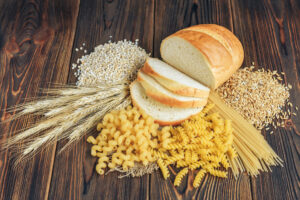 This mechanism is one reason researchers have studied the potential connection between carbohydrate consumption, tryptophan availability and serotonin production. However, this doesn’t mean that eating sugary foods or large amounts of refined carbohydrates is a good way to increase serotonin. The effects depend on the overall meal, the amount and type of carbohydrate and other individual factors. Research has also produced mixed findings regarding whether dietary changes that alter tryptophan availability translate into meaningful improvements in mood.
Can Certain Foods Boost Serotonin?
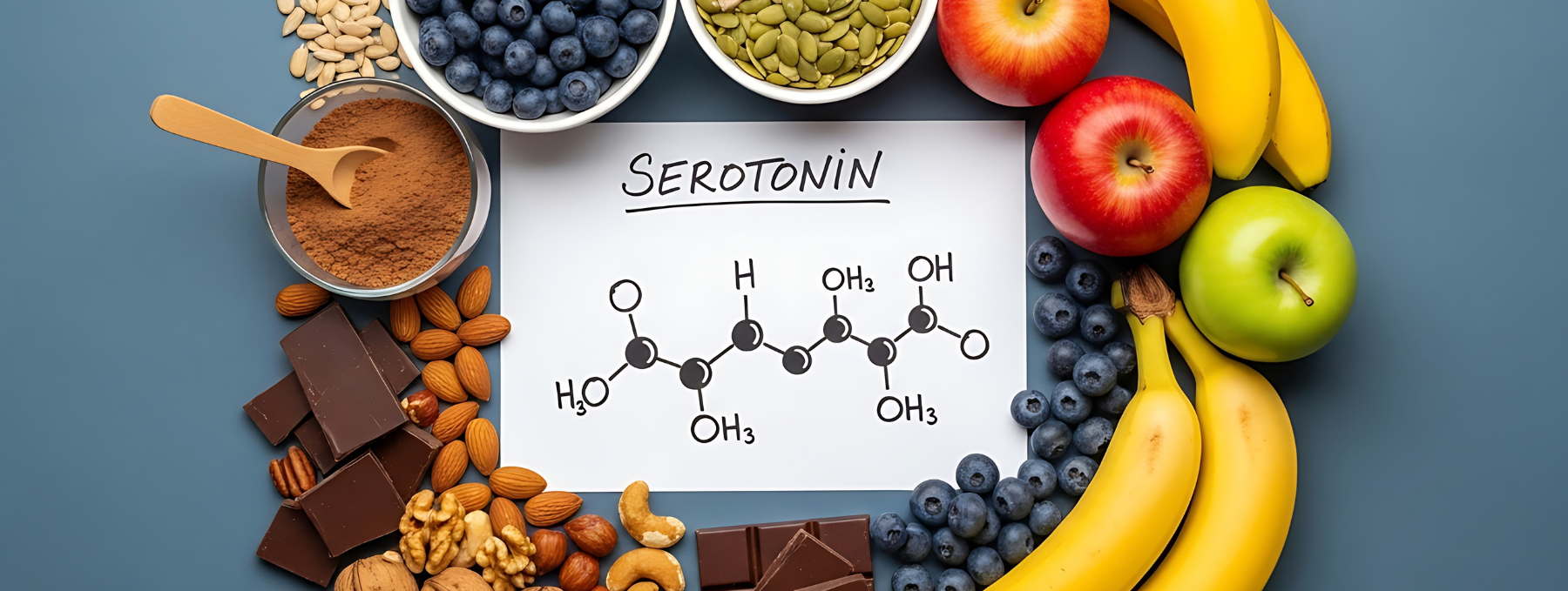
You may have heard that foods such as turkey, bananas, chocolate, eggs or dairy products can boost serotonin. There is some truth behind the idea, but it needs clarification. Many foods contain tryptophan, which the body uses to make serotonin. However, eating a tryptophan-containing food doesn’t necessarily cause a large increase in brain serotonin.
This is because the body uses tryptophan for several purposes, and only a portion is available for serotonin production. In addition, other amino acids compete with tryptophan for entry into the brain. For this reason, it’s more accurate to say that foods provide nutrients needed for serotonin production rather than saying that particular foods directly raise serotonin levels.
What About the Gut and Serotonin?
The relationship between serotonin and diet extends beyond the brain. The digestive system contains a large amount of the body’s serotonin, where it helps regulate intestinal movement and other gastrointestinal functions. Diet may also influence the gut microbiome, which is increasingly being studied as part of the connection between nutrition and the brain. Gut microorganisms can affect how tryptophan is metabolized, potentially influencing pathways involved in serotonin and other signaling molecules.
The gut-brain connection is an active area of research, but scientists are still working to understand exactly how changes in diet and the microbiome translate into changes in mood or mental health. It would be premature to conclude that changing your gut bacteria will directly increase brain serotonin.
Can Diet Treat Low Serotonin?
Although diet provides tryptophan and other nutrients involved in serotonin biology, there is no simple diet that can reliably correct what is often described as “low serotonin.” Mood disorders are complex and involve numerous biological, psychological, environmental and genetic factors. In fact, the idea that depression or anxiety is simply caused by having too little serotonin is an oversimplification of modern neuroscience.
Serotonin is involved in these conditions, but researchers now understand that mood disorders cannot be explained by a single neurotransmitter or a single biological abnormality. If someone is experiencing persistent depression, anxiety, sleep problems or other significant changes in mood, changing their diet shouldn’t be considered a substitute for appropriate medical or mental health care.
What Kind of Diet Supports Serotonin and Overall Brain Health?
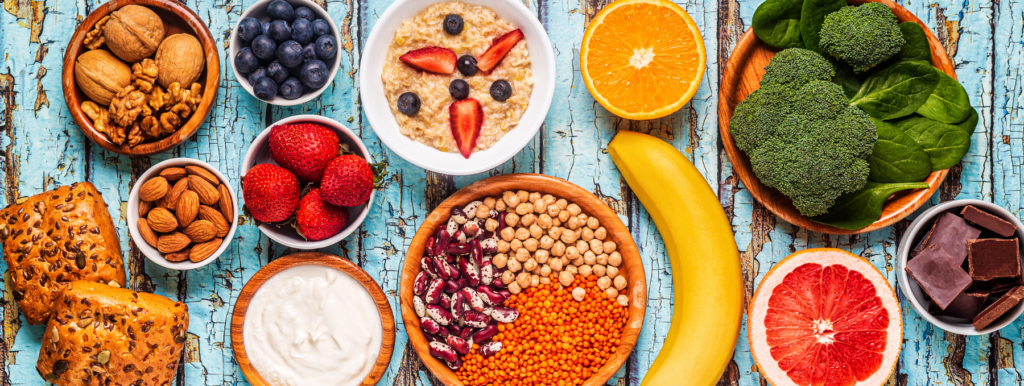
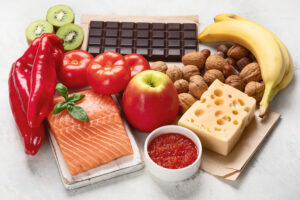 Rather than focusing on individual “serotonin-boosting” foods, it makes more sense to focus on an overall nutritious eating pattern. A balanced diet can provide the amino acids, vitamins, minerals, essential fats and other nutrients involved in normal brain function. Foods such as vegetables and fruits, whole grains, legumes, nuts and seeds, fish, eggs, dairy products and other sources of lean protein can all contribute to a nutrient-rich diet.
Adequate protein is important because it provides tryptophan along with other essential amino acids. Carbohydrates can also have a role in normal serotonin biology, so there is no scientific reason to assume that eliminating all carbohydrates will necessarily improve serotonin function. The goal doesn’t need to be maximizing serotonin–instead, it’s maintaining a diet that provides the nutrients your brain and body need to function normally.
The Takeaway on Serotonin and Diet
The connection between serotonin and diet is real, but it is not as simple as eating certain foods to increase serotonin. The essential amino acid tryptophan, which comes from food, is the building block the brain uses to make serotonin. The balance of tryptophan and other amino acids in the bloodstream, as well as factors such as carbohydrate intake, can influence how much tryptophan is available to the brain.
Rather than searching for individual “serotonin-boosting” foods, focus on an overall balanced, nutrient-rich diet. And if you’re experiencing persistent changes in mood, sleep, anxiety or enjoyment of life, it’s important to look beyond diet alone and discuss those symptoms with a healthcare professional.