Depression is often associated with brain chemistry, stressful experiences and emotional health. Yet researchers are increasingly investigating another possible contributor: the body’s internal biological clock. This system regulates daily patterns of sleep, alertness, hormone activity and other physiological functions that may influence mental health. A 2026 study published in The British Journal of Psychiatry offers new insight into the relationship between circadian rhythm and depression. Specifically, researchers identified a subgroup of people with depression who shared certain sleep-related characteristics, along with differences in symptom severity, genetic risk and reported responses to antidepressants. Their findings suggest that biological timing may help explain why depression affects people differently.
Understanding the Body’s Circadian Rhythm
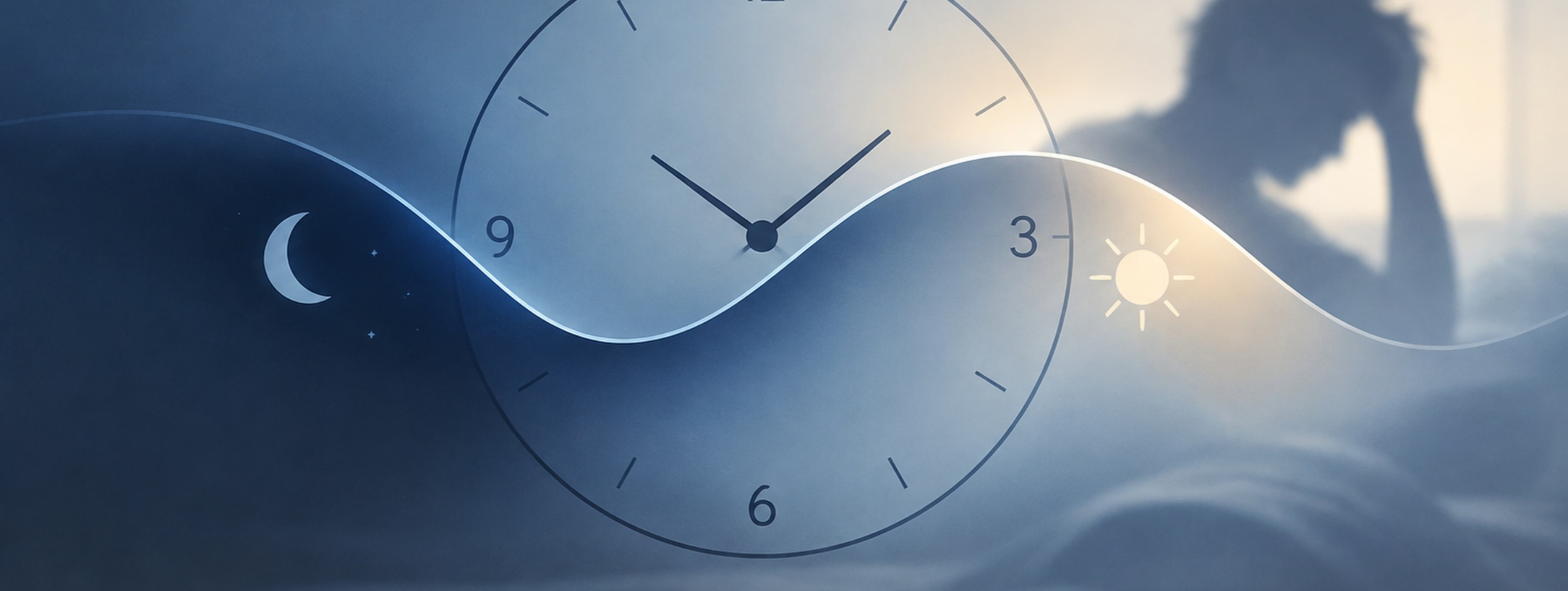
 The circadian rhythm refers to the approximately 24-hour biological cycles that coordinate essential functions throughout the body. These rhythms influence sleep and wakefulness, body temperature, hormone secretion, metabolism and daily fluctuations in alertness.
The body’s primary circadian clock is located in a region of the brain called the suprachiasmatic nucleus, or SCN. This clock receives information about environmental light and helps synchronize biological processes with the daily cycle of day and night. Irregular sleep schedules, nighttime light exposure and shift work can interfere with this timing.
A New Study on Circadian Rhythm and Depression
In the study, researchers analyzed information from the Australian Genetics of Depression Study to determine whether certain circadian-related characteristics could identify a meaningful subgroup of people with depression. They examined six characteristics: evening preference, delayed sleep timing, morning tiredness, excessive sleep, seasonal changes in symptoms and social jet lag. Social jet lag occurs when someone’s natural sleep schedule conflicts with work, school or other obligations.
Participants exhibiting at least three of these characteristics were classified as having a proposed circadian subtype of depression. The researchers identified 2,604 individuals who met these criteria, representing approximately 23% of the study population. They then compared participants’ clinical histories, symptoms, medication experiences and genetic risk profiles with those of individuals who did not meet the criteria.
These findings suggest that circadian-related characteristics may be relatively common among people experiencing depression. However, they do not mean that 23% of everyone with depression has a distinct circadian disorder. The researchers used specific criteria within a particular study population, and the proposed subtype has not yet been established as a separate medical diagnosis.
The Connection Between Circadian Disruption and Depression Severity
One notable finding was that participants in the circadian subgroup generally reported a more complicated clinical history. They tended to experience depression at a younger age and reported greater psychological distress and more physical symptoms. They also had higher rates of suicidal thoughts or behaviors, manic or hypomanic-like symptoms and psychotic-like experiences. Weight gain during depressive episodes was more common in this group.
These findings suggest that circadian-related characteristics may be associated with a more severe or complex pattern of depression. The study cannot determine, however, whether circadian disruption contributes directly to these symptoms or whether other factors explain the association.
Circadian Rhythms and Antidepressant Response
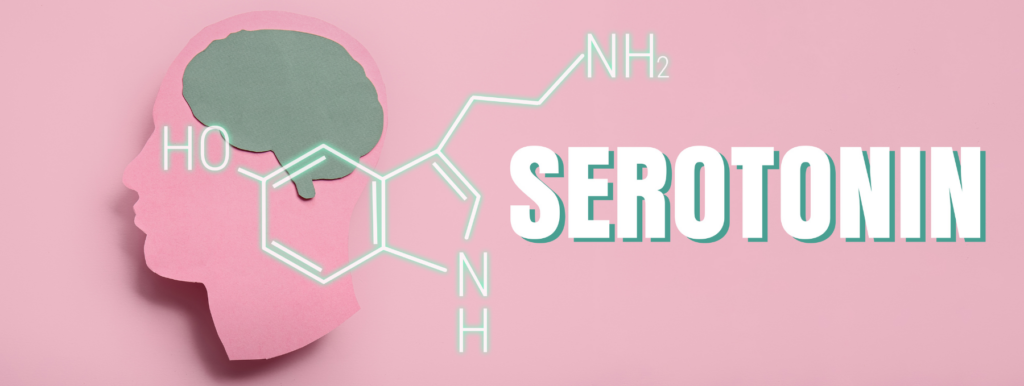
 The researchers also examined whether participants with circadian-related depression reported different responses to antidepressants. They found that this subgroup was somewhat less likely to report favorable responses to selective serotonin reuptake inhibitors (SSRIs) and serotonin-norepinephrine reuptake inhibitors (SNRIs). These medications influence neurotransmitter signaling and are commonly prescribed for depression and anxiety.
Participants in the circadian subgroup also reported more medication side effects, suggesting that treatment experiences may differ among people with certain circadian characteristics. The differences in medication response were relatively modest, however. Because the study relied on self-reported experiences rather than controlled treatment trials, it cannot establish that these medications are less effective for people with circadian-related depression.
Genetic Findings Suggest Broader Biological Connections
Researchers also examined whether the proposed circadian subtype had distinctive genetic characteristics. They found associations with genetic risk factors related to depression, anxiety, bipolar disorder and attention-deficit hyperactivity disorder. The subgroup also showed associations with genetic characteristics related to sleep timing, insomnia and certain metabolic and inflammatory traits.
These findings suggest that circadian-related depression may involve biological processes extending beyond sleep. Genetic associations alone cannot establish cause and effect. Additional research is needed to determine how these characteristics may contribute to depression and whether they can help guide treatment.
Could Circadian Rhythm Treatments Help Depression?
The relationship between circadian rhythm and depression raises an important question: Could treatments targeting biological timing improve depressive symptoms in certain individuals? Researchers are interested in approaches such as carefully timed bright-light therapy, consistent sleep schedules and interventions designed to stabilize sleep-wake patterns. Melatonin-related treatments may also be relevant because melatonin helps signal biological nighttime.
The Australian study did not test these treatments or establish that people meeting the proposed circadian subtype criteria would benefit from them. Further clinical trials are needed to determine whether circadian characteristics can reliably guide treatment decisions.
What the Research Means for People With Depression
Although the findings are promising, the study has several important limitations. Because it was observational and cross-sectional, researchers could identify associations but could not establish cause and effect. The study also relied on self-reported symptoms, sleep patterns and medication experiences rather than direct measurements of participants’ biological clocks. Additionally, the genetic analyses were limited to individuals of European ancestry, and further research is needed to validate the proposed circadian subtype.
Despite these limitations, the findings highlight the potential importance of considering sleep timing and daily rhythms when evaluating depression. Symptoms such as persistent morning tiredness, delayed sleep schedules, excessive sleep and seasonal mood changes may provide valuable information about an individual’s overall condition. Understanding these patterns could eventually help healthcare professionals develop more personalized treatment approaches.
In the meantime, maintaining consistent sleep and wake times, obtaining appropriate daylight exposure and limiting bright light before bedtime can help support circadian health. These habits may complement existing depression treatments, although they should not replace professional care when symptoms are persistent or severe.
A New Perspective on Circadian Rhythm and Depression
 The 2026 Australian study adds to growing research suggesting that depression may involve different biological and clinical patterns rather than one uniform underlying problem. By identifying a subgroup with distinctive circadian characteristics, researchers have opened another avenue for understanding differences in symptom severity, genetic risk and treatment experiences.
These findings do not prove that disrupted circadian rhythms cause depression or that the proposed subtype represents a separate disorder. More research is needed to determine whether these characteristics can help predict treatment outcomes. Ultimately, understanding the relationship between circadian rhythm and depression could help researchers develop more personalized approaches to mental healthcare, taking biological timing into account alongside other factors that influence depression.