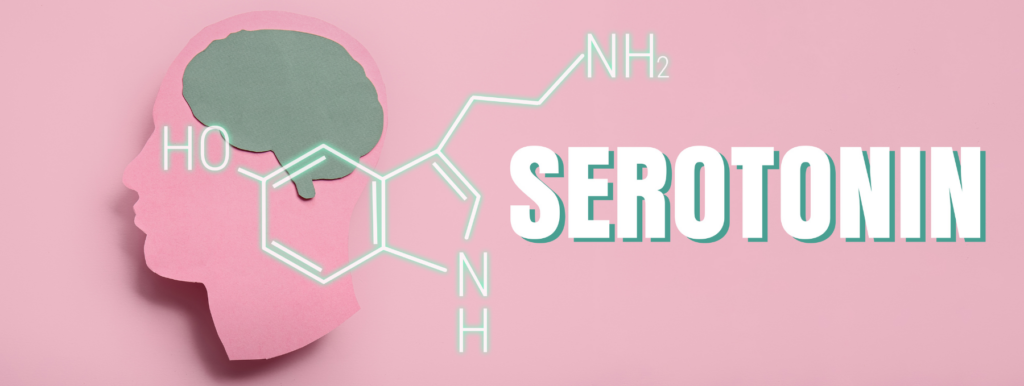

Most people associate serotonin with mood, but this neurotransmitter has a much broader range of functions. In addition to influencing emotional regulation, appetite and behavior, serotonin participates in the biological processes that help coordinate the body’s internal clock. These processes influence when we feel alert, when we become sleepy and how our bodies respond to the daily cycle of light and darkness. Understanding the relationship between serotonin and the circadian rhythm offers insight into how the brain coordinates sleep, wakefulness and other daily physiological rhythms.
Understanding the Circadian Rhythm
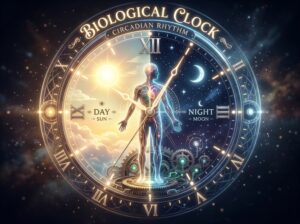 The circadian rhythm refers to the approximately 24-hour biological cycles that regulate numerous functions throughout the body. These include sleep and wakefulness, hormone secretion, body temperature, metabolism and changes in alertness. Although circadian rhythms are generated internally, environmental signals help keep them synchronized with the outside world.
Light is the most important of these signals. Specialized cells in the retina detect environmental light and send information to the brain, helping synchronize the internal clock with the daily light-dark cycle. This explains why morning light exposure can help establish a consistent sleep schedule, while bright light late at night may delay the body’s preparation for sleep.
Circadian rhythms are closely related to sleep, but they are not identical to the need for sleep. The circadian system influences when the body is biologically prepared to sleep, while sleep pressure gradually increases during waking hours. Together, these systems help determine when we feel sleepy and when we feel alert.
How Serotonin Influences the Body’s Internal Clock
The body’s master circadian clock is located in a small region of the hypothalamus called the suprachiasmatic nucleus, or SCN. This group of nerve cells coordinates daily rhythms throughout the body, helping synchronize biological processes with the external environment. The SCN receives serotonin signals from neurons that originate in the brainstem, particularly a region called the raphe nuclei. These signals can influence how the clock responds to environmental information and other timing cues. Serotonin does not create the circadian rhythm itself, but it helps regulate certain aspects of the clock’s activity.
Research suggests that serotonin can influence circadian timing differently depending on the time of day, the receptors involved and the surrounding conditions. In some experimental settings, serotonin signaling can shift circadian rhythms or modify the clock’s response to light. This makes serotonin one of several chemical messengers involved in maintaining biological timing.
The Relationship Between Serotonin, Sunlight and Circadian Timing
Sunlight plays a central role in regulating circadian rhythms because the brain uses light exposure to determine the appropriate timing of biological activities. Morning light generally helps synchronize the internal clock with the daytime environment, while evening light can shift circadian timing later. Serotonin interacts with this system by influencing how the SCN processes certain light-related signals. Experimental studies have shown that serotonin can modify the clock’s sensitivity to light, although its effects depend on the specific receptors activated and the timing of exposure.
This does not mean that sunlight regulates the circadian clock simply by increasing serotonin. Light reaches the brain’s master clock through specialized retinal pathways, and these pathways provide the primary information used to synchronize daily rhythms. Serotonin acts more as a regulator of the system than as its main driving force.
How Serotonin Contributes to Melatonin Production
One of the clearest biochemical connections between serotonin and the circadian rhythm involves melatonin. Melatonin is a hormone produced primarily by the pineal gland that helps communicate biological nighttime to the body. The body produces melatonin through a series of chemical reactions beginning with tryptophan, an essential amino acid obtained from food. Tryptophan is converted into serotonin, which is subsequently transformed into melatonin through additional enzymatic steps.
However, melatonin production does not simply increase whenever serotonin levels rise. Its synthesis is carefully regulated by the circadian system, particularly through signals associated with darkness. During the biological night, the body increases the activity of enzymes involved in melatonin production, while light exposure at night can suppress this process. This distinction is important because serotonin and melatonin perform different functions. Serotonin participates in numerous processes throughout the nervous system and body, while melatonin primarily acts as a biological signal that helps coordinate nighttime physiology.
Does Serotonin Affect Sleep and Wakefulness?
 Serotonin also participates in the brain networks responsible for regulating sleep and arousal. Serotonin-producing neurons in the brainstem generally show greater activity during wakefulness, reduced activity during non-REM sleep and relatively little activity during REM sleep. These activity patterns suggest that serotonin contributes to the regulation of sleep-wake states.
However, its effects are complicated because different serotonin receptors and neural circuits can produce different responses. Depending on the circumstances, serotonin signaling may influence wakefulness, sleep continuity or particular stages of sleep. It is also important to distinguish between regulating sleep and controlling circadian timing. A substance can affect how easily someone falls asleep without necessarily changing the timing of the body’s internal clock. Serotonin influences both sleep-related networks and circadian pathways, but these effects are not interchangeable.
Can Changes in Serotonin Disrupt Circadian Rhythms?
Because serotonin interacts with the brain’s biological clock, researchers have investigated whether changes in serotonin signaling contribute to circadian disruption. Experimental studies suggest that altering serotonin activity can affect the timing of biological rhythms and the way the circadian clock responds to environmental signals.
However, these findings do not establish that common circadian problems are caused by serotonin deficiency. Circadian disruption can result from numerous factors, including irregular sleep schedules, nighttime light exposure, shift work, travel across time zones and certain medical conditions. The relationship between serotonin and the circadian rhythm is therefore best understood as one part of a larger regulatory network. Serotonin may influence circadian processes, but the body’s biological clock depends on multiple interacting systems rather than a single neurotransmitter.
How Antidepressants May Affect Sleep and Circadian Rhythms
Some antidepressants influence serotonin signaling, particularly selective serotonin reuptake inhibitors, or SSRIs. These medications are commonly prescribed for depression and anxiety because they alter the way serotonin is transmitted between nerve cells. SSRIs can affect sleep in different ways. Some people experience insomnia, vivid dreams or changes in sleep quality, while others report increased sleepiness. Research also shows that certain antidepressants can alter sleep architecture, including aspects of REM sleep.
Although serotonin-related medications can influence sleep and potentially interact with circadian mechanisms, their effects on sleep do not necessarily indicate that they have shifted the internal biological clock. Medication responses vary considerably, and anyone experiencing persistent sleep problems while taking an antidepressant should discuss them with a healthcare professional rather than stopping treatment abruptly.
Serotonin, Circadian Rhythms and Mental Health
 Researchers have also explored the relationship among serotonin, circadian rhythms and mental health. Sleep disturbances and altered daily rhythms are common in depression, and disruptions in circadian timing may contribute to changes in mood, energy and cognitive function. Serotonin is involved in mood regulation and also interacts with circadian pathways, making it a potential connection between these processes.
However, depression cannot be explained simply by low serotonin, and circadian disturbances are not necessarily caused by abnormal serotonin levels. Maintaining regular sleep and wake times, obtaining daylight exposure and limiting bright light before bedtime can support circadian stability. These habits help reinforce the environmental signals that regulate the biological clock, although they should not be viewed as substitutes for appropriate treatment of depression or sleep disorders.
Understanding the Connection Between Serotonin and the Circadian Rhythm
The relationship between serotonin and the circadian rhythm demonstrates how closely interconnected the body’s chemical signaling systems are. Serotonin influences the brain’s master clock, modifies certain responses to light, contributes to melatonin synthesis and participates in the neural networks that regulate sleep and wakefulness. Yet serotonin is not the body’s primary circadian timekeeper. Light exposure, the suprachiasmatic nucleus, melatonin signaling and other biological mechanisms all work together to maintain daily rhythms. Serotonin helps regulate parts of this system rather than controlling it independently. Understanding these interactions provides a more complete picture of serotonin’s role in human physiology. Beyond its familiar association with mood, serotonin contributes to the complex biological processes that help the body adapt to the daily cycle of day and night.