For decades, depression has frequently been explained as the result of a chemical imbalance in the brain, particularly a deficiency of serotonin. This explanation became widely accepted because serotonin plays an important role in mood regulation, and many commonly prescribed antidepressants work by altering serotonin signaling. However, researchers now recognize that the relationship between depression and serotonin is considerably more complicated. Although serotonin participates in emotional regulation, scientific evidence does not establish that depression is simply caused by low serotonin levels. Understanding what researchers have discovered can help clarify why the chemical imbalance theory became popular, where it falls short and how modern treatments work.
What Is Serotonin, and How Does It Affect Mood?
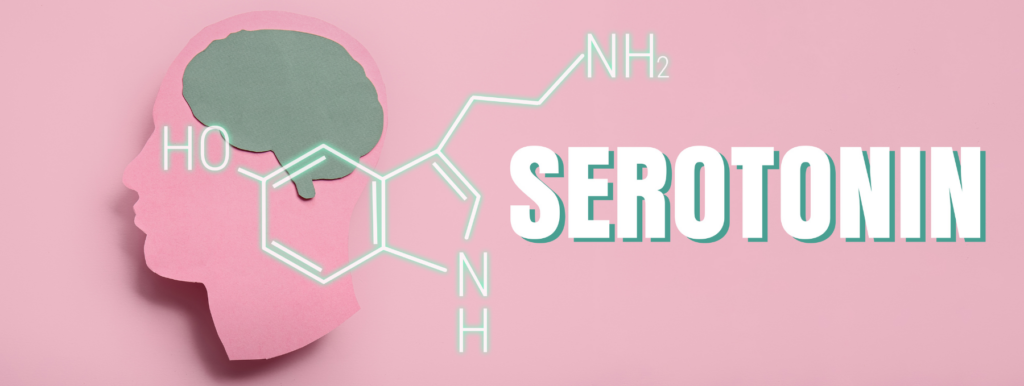
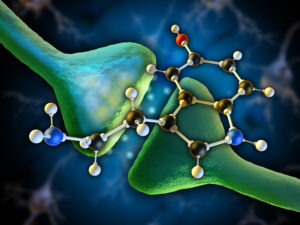 Serotonin, also known as 5-hydroxytryptamine or 5-HT, is a neurotransmitter that helps nerve cells communicate. It participates in several important functions, including mood regulation, sleep, appetite, pain perception and cognitive processes. In the brain, serotonin influences networks involved in emotional responses, stress regulation and behavioral flexibility. Its effects depend on the specific receptors activated, the brain regions involved and its interactions with other neurotransmitters, including dopamine and norepinephrine. Because serotonin influences mood, researchers have long investigated whether changes in its activity contribute to depression. However, serotonin’s involvement in emotional regulation does not necessarily mean that people experiencing depression have insufficient serotonin.
Where Did the Chemical Imbalance Theory Come From?
The idea that depression results from a chemical imbalance emerged during the twentieth century as researchers investigated how medications affected neurotransmitter signaling. Early observations suggested that drugs influencing serotonin and norepinephrine could improve depressive symptoms, leading scientists to propose that abnormalities in these chemicals might contribute to depression. The theory gained widespread attention with the development of selective serotonin reuptake inhibitors, or SSRIs, which increase serotonin availability between nerve cells by slowing its reabsorption. Their effectiveness reinforced the public perception that depression was caused by a serotonin deficiency.
However, this reasoning has an important limitation. The fact that a medication changes a biological process and improves symptoms does not establish that the condition was caused by a deficiency in that process. Although antidepressants can influence brain function and help relieve depression, their effectiveness does not necessarily mean they are correcting a preexisting chemical imbalance.
What Does Research Say About Depression and Serotonin?
A widely discussed 2022 umbrella review published in Molecular Psychiatry examined evidence from multiple research areas investigating the serotonin hypothesis of depression. The researchers evaluated findings involving serotonin concentrations, receptor activity, serotonin transporters, genetic research and experimental studies. The review concluded that the available evidence did not consistently support the idea that depression is caused by reduced serotonin concentrations or activity, challenging the simplified chemical imbalance explanation that had become familiar to the public.
These findings do not mean that serotonin is irrelevant to depression. Researchers continue to investigate how serotonin signaling contributes to mood regulation, stress responses and antidepressant treatment. The important distinction is that questioning the theory of serotonin deficiency does not dismiss serotonin’s involvement in depression. Instead, it highlights the complexity of the condition and the need to look beyond a single neurotransmitter to understand its underlying causes.
If Depression Isn’t Simply Low Serotonin, What Causes It?
Depression is generally understood as a multifactorial condition involving numerous interacting influences. Genetic susceptibility, stressful experiences, medical conditions, hormonal changes and environmental circumstances may all contribute to its development. These factors can interact in different ways, helping explain why some individuals develop depression while others facing similar circumstances do not.
When it comes to depression, researchers also study differences in brain circuits involved in motivation, reward processing, emotional regulation and responses to stress. Neurotransmitters such as serotonin, dopamine and norepinephrine participate in these networks, but none operates independently or explains every case of depression. Changes in how these brain systems communicate and respond to experiences may contribute to depressive symptoms, although the specific mechanisms can vary considerably from person to person.
Inflammatory processes, sleep disturbances and circadian rhythm disruption are additional areas of investigation. These factors may contribute to depressive symptoms in certain individuals, although their importance varies considerably. Rather than having one universal cause, depression may arise through different combinations of biological and environmental influences.
The Role of SSRIs in Depression
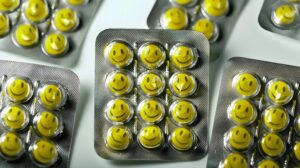 One of the most common questions about depression and serotonin concerns the effectiveness of SSRIs. If depression is not simply caused by low serotonin, why do medications that increase serotonin signaling help some people feel better? SSRIs alter serotonin transmission relatively quickly, but meaningful improvements in depressive symptoms often take several weeks. Researchers believe that their therapeutic effects involve more than the immediate increase in serotonin availability.
Over time, antidepressant treatment can produce changes in receptor signaling, neural connectivity and processes associated with brain plasticity. These adaptations may contribute to improvements in emotional regulation and other symptoms. Although the exact mechanisms remain incompletely understood, clinical research supports the effectiveness of antidepressants for many people, particularly those with more severe depression.
Can Someone Have Depression Without Low Serotonin?
There is no established requirement that someone must have low serotonin to experience depression. In fact, researchers have not identified a consistent serotonin deficiency that can reliably distinguish people with depression from those without it. Depression is diagnosed through an evaluation of symptoms, their duration and their effects on everyday functioning.
Common symptoms include persistent sadness, loss of interest or pleasure, fatigue, sleep disturbances, changes in appetite, difficulty concentrating and feelings of hopelessness. These symptoms can arise through several different pathways. Two people may receive the same diagnosis while having different contributing factors. This is one reason depression treatment often requires an individualized approach rather than assuming that everyone has the same underlying biological problem.
Does the New Research Mean Antidepressants Don’t Work?
Questioning the chemical imbalance theory does not mean antidepressants are ineffective. These are two separate scientific questions: what causes depression and whether a particular treatment can reduce its symptoms. Clinical trials show that antidepressants can provide meaningful benefits, although responses vary. Some people experience substantial improvement, while others benefit more from psychotherapy, a different medication or a combination of treatments. Antidepressants can also cause side effects, and their potential benefits should be weighed against individual circumstances and preferences. People taking these medications should not discontinue them abruptly because withdrawal symptoms or a return of depressive symptoms may occur. Any medication changes should be discussed with a healthcare professional.
 Modern depression treatment recognizes that no single approach works for everyone. Depending on symptom severity, medical history and personal circumstances, treatment may include psychotherapy, medication or a combination of both. Evidence-based therapies, including cognitive behavioral therapy, can help people identify unhelpful thought patterns, develop coping strategies and change behaviors that may contribute to depression. Antidepressants may also be appropriate, particularly when symptoms are persistent, severe or significantly interfere with daily life.
In addition to professional treatment, certain lifestyle habits can play an important role in managing depression and supporting emotional well-being. Regular physical activity, consistent sleep schedules, supportive relationships and addressing underlying medical conditions may help improve mood and overall quality of life. Although these strategies can complement psychotherapy or medication, they are not necessarily substitutes for professional care, particularly when depressive symptoms are severe or significantly affect everyday functioning.
Rethinking the Relationship Between Depression and Serotonin
The connection between depression and serotonin is real, but it is not accurately described by the idea that depression simply results from insufficient serotonin. Although serotonin participates in mood regulation and antidepressant medications can alter its signaling, researchers have not established a universal serotonin deficiency underlying depression. Modern research points toward a more complex understanding involving brain circuitry, neurotransmitters, genetics, stress, sleep and other biological and environmental influences. These systems interact differently among individuals, helping explain why depression varies in its symptoms and response to treatment.