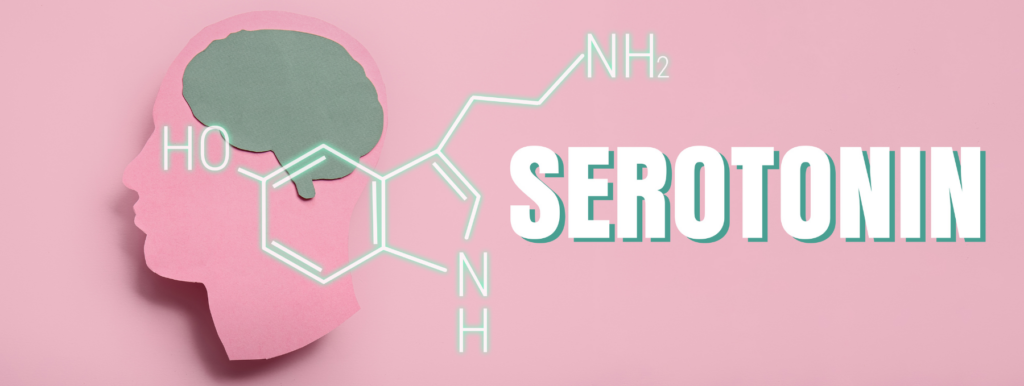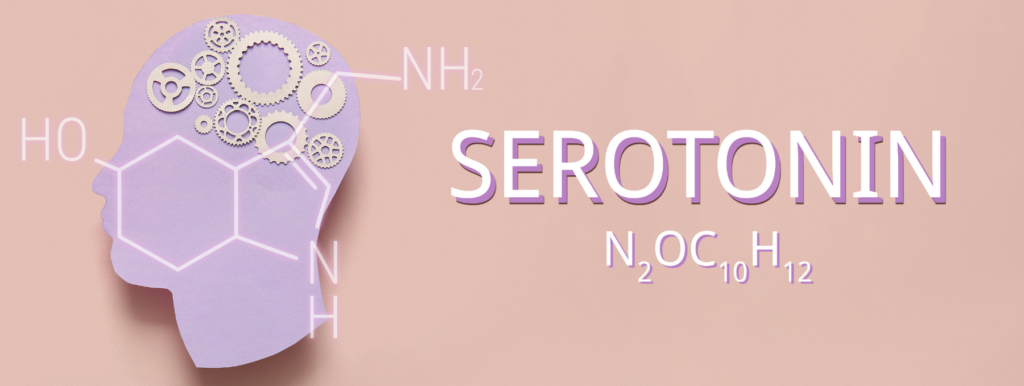

Serotonin is often described as the brain’s “feel-good chemical” because of its association with happiness, emotional well-being and depression. However, this description overlooks the many other functions serotonin performs throughout the body. From regulating digestion and appetite to influencing sleep, pain perception and sexual function, serotonin participates in a surprisingly wide range of biological processes. This raises an important question: does low serotonin affect more than just mood? The answer is potentially yes, but the relationship is more complicated than it might seem.
What Is Serotonin, and Why Is It Important?
 Serotonin, also known as 5-hydroxytryptamine or 5-HT, is a chemical messenger that helps cells communicate. In the brain, it functions primarily as a neurotransmitter, influencing the activity of neural circuits involved in emotion, behavior, sleep and cognition. Outside the brain, serotonin participates in processes such as intestinal movement and blood platelet function.
The body produces serotonin from tryptophan, an essential amino acid obtained through food. Its effects depend on where it is released, which receptors it activates and how those receptors interact with other signaling systems. Different serotonin receptors can produce very different physiological responses.
An important distinction is that serotonin circulating outside the brain does not readily cross the blood-brain barrier. Consequently, serotonin activity in the digestive system and serotonin signaling in the brain are regulated somewhat independently. This helps explain why serotonin can influence so many functions without acting as one uniform chemical signal throughout the body.
How Does Serotonin Influence Mood and Emotional Regulation?
Serotonin participates in brain circuits involved in emotional regulation, stress responses, anxiety and behavioral flexibility. It interacts with other neurotransmitters, including dopamine and norepinephrine, to influence how people respond to experiences and changing circumstances. Because certain antidepressants increase serotonin signaling, serotonin has long been associated with depression. However, research does not support the simple explanation that depression results from insufficient serotonin.
Depression involves multiple biological, psychological and environmental factors, and researchers have not identified a consistent serotonin deficiency that explains the condition. This does not mean serotonin is irrelevant to mood. Rather, its role is more complex than the familiar chemical imbalance explanation. Changes in serotonin signaling may influence emotional processes, but low serotonin cannot be assumed to be the cause of depression or anxiety.
Can Serotonin Affect Sleep and Circadian Rhythms?
Serotonin participates in the neural networks that regulate sleep and wakefulness. Serotonin-producing neurons in the brainstem generally become more active during wakefulness and less active during sleep, particularly during rapid eye movement, or REM, sleep. Serotonin also interacts with the body’s circadian system, which coordinates approximately 24-hour biological rhythms. The brain’s master clock receives serotonin signals that can influence how it responds to timing cues, including light exposure. Additionally, serotonin serves as a biochemical precursor to melatonin, the hormone that helps signal biological nighttime.
These connections demonstrate that serotonin contributes to sleep regulation. However, insomnia, excessive sleepiness or an irregular sleep schedule does not necessarily indicate low serotonin. Sleep problems can arise from numerous factors, including stress, medical conditions, medications and disrupted circadian timing.
Serotonin’s Role in Digestion
One of the most surprising facts about serotonin is that approximately 90–95% of the body’s serotonin is found in the gastrointestinal tract. Much of it is produced by specialized intestinal cells called enterochromaffin cells, which release serotonin in response to activity within the digestive system. Serotonin helps coordinate intestinal movement, secretion and communication with nearby nerves. It also participates in signaling pathways associated with nausea and vomiting. These functions help explain why medications that influence serotonin can sometimes cause digestive side effects.
Changes in serotonin signaling have been investigated in gastrointestinal conditions, including irritable bowel syndrome. However, digestive symptoms do not necessarily indicate a serotonin deficiency. Constipation, diarrhea, bloating and abdominal discomfort have many possible causes, and serotonin’s effects vary depending on the receptors and pathways involved.
Does Serotonin Influence Appetite and Eating Behavior?
 Serotonin helps regulate appetite, satiety and aspects of eating behavior through its effects on brain circuits involved in hunger and energy balance. Certain serotonin receptors participate in signaling that influences when someone feels full and how much food they consume. However, appetite is regulated by a much larger network involving hormones such as leptin and ghrelin, as well as dopamine and other neurotransmitters. Stress, sleep, physical activity, medications and metabolic conditions can also influence hunger and food preferences.
Although experimental research demonstrates that serotonin signaling affects appetite, scientists cannot reliably determine someone’s brain serotonin status from changes in eating habits. Increased hunger, reduced appetite or carbohydrate cravings should not automatically be interpreted as signs of low serotonin.
How Serotonin Affects Pain Perception
Serotonin participates in the nervous system’s regulation of pain. Certain serotonin pathways travel from the brainstem to the spinal cord, where they help modify how pain signals are processed before reaching higher brain regions. Interestingly, serotonin can either reduce or increase pain signaling, depending on the receptors activated and the circumstances. This means its relationship with pain is not as straightforward as assuming that more serotonin always produces greater pain relief.
Some medications used to treat chronic pain influence serotonin and norepinephrine signaling. However, their effectiveness does not prove that chronic pain is caused by a serotonin deficiency. Pain perception involves numerous interacting neural pathways, inflammatory processes and psychological factors.
The Effect of Serotonin on Sexual Function
Serotonin also plays an important role in sexual desire, arousal and orgasm. In certain neural pathways, serotonin signaling can inhibit aspects of sexual response, particularly orgasm. Its effects depend on the receptors involved and interactions with other neurotransmitters. This helps explain why selective serotonin reuptake inhibitors, or SSRIs, can cause sexual side effects. Some people taking these antidepressants experience reduced libido, decreased genital sensitivity, delayed orgasm or difficulty achieving orgasm. However, the relationship works in more than one direction. Depression itself can interfere with sexual function, and successful treatment may improve sexual well-being. Sexual symptoms therefore cannot be used to determine whether serotonin activity is too high or too low.
The Influence of Serotonin on Learning, Memory and Motivation
Serotonin influences brain processes involved in learning, memory formation, decision-making and adapting behavior in response to experience. It participates in neural plasticity, the brain’s ability to change and reorganize connections over time. Serotonin also interacts with dopamine, which plays an important role in motivation and reward processing.
Together with other neurotransmitters, these systems influence how people evaluate outcomes, respond to rewards and adjust their behavior. Although serotonin contributes to cognitive function, difficulties with concentration, memory or motivation do not necessarily indicate low serotonin. Sleep deprivation, stress, depression, medical conditions and many other factors can produce similar symptoms.
How Can You Tell If Your Serotonin Levels Are Low?
 Despite the popularity of the term “low serotonin,” there is no widely accepted clinical test that reliably determines whether someone has insufficient serotonin activity in the brain. Blood serotonin measurements primarily reflect serotonin outside the central nervous system and cannot establish brain serotonin levels. Serotonin’s effects also depend on receptor sensitivity, signaling pathways and interactions with other chemical messengers. Two people could experience similar symptoms for entirely different reasons, even when serotonin-related processes are involved. For these reasons, symptoms such as fatigue, poor sleep, digestive discomfort, low mood or reduced motivation should not automatically be attributed to serotonin deficiency. Persistent symptoms deserve evaluation based on their specific characteristics and possible underlying causes.
Understanding Serotonin’s Role Beyond Mood
So, does low serotonin affect more than just mood? Changes in serotonin signaling can potentially influence numerous functions, including sleep, digestion, appetite, pain perception, sexual response and cognition. Serotonin is involved in many biological systems, making its importance extend well beyond emotional well-being. However, serotonin’s involvement in these processes does not establish that common symptoms are caused by low serotonin levels. Its effects depend on complex interactions among receptors, neural circuits, hormones and other physiological systems. Ultimately, understanding serotonin requires looking beyond the idea of a single chemical responsible for happiness. It is a versatile signaling molecule that contributes to many aspects of human health, and researchers continue to investigate how changes in its activity influence the brain and body.