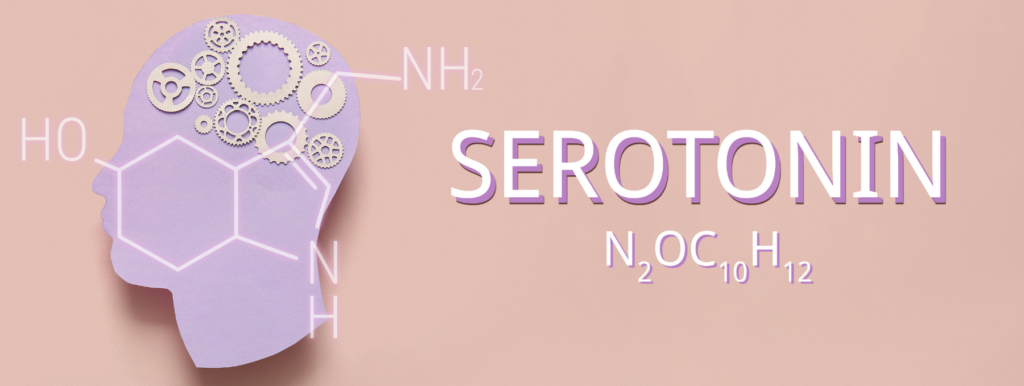
Serotonin is a chemical messenger that helps regulate mood, sleep, appetite and other important functions in the body. Because serotonin is associated with emotional well-being, people often look for dietary ways to support its production. Carbohydrates have attracted particular interest because eating them can influence the availability of tryptophan, an amino acid the brain uses to make serotonin.
But do carbs increase serotonin, and can eating carbohydrate-rich foods help improve your mood? The answer involves a fascinating interaction between blood sugar, insulin, amino acids and brain chemistry. Although research supports a biological mechanism through which carbohydrates may influence serotonin production, the effects on mood are more complicated than simply eating carbs to feel happier.
Do Carbs Increase Serotonin?
 Do carbs increase serotonin? In short, carbohydrates may influence serotonin production by changing the balance of amino acids circulating in the bloodstream. After a carbohydrate-rich meal, insulin helps regulate blood glucose and promotes the uptake of several amino acids into muscle tissue. This can increase the relative availability of tryptophan, potentially allowing more of it to enter the brain.
Tryptophan is necessary for serotonin production, so this process could support serotonin synthesis under certain conditions. However, eating carbohydrates does not automatically increase brain serotonin levels or improve mood. The effect depends on factors such as the meal’s protein content, the body’s metabolic response and the availability of tryptophan. Researchers also continue to investigate how significant this mechanism is under typical dietary conditions.
How the Body Makes Serotonin
Serotonin is a neurotransmitter, a chemical messenger that allows cells to communicate. It participates in regulating mood, sleep-wake cycles, appetite, digestion and other physiological processes. Although serotonin is often called the body’s happiness chemical, emotional well-being depends on many interacting biological and environmental factors. The body makes serotonin from the amino acid tryptophan, which must come from food because humans cannot produce it themselves. Foods containing tryptophan include poultry, eggs, dairy products, fish, nuts, seeds and soy products.
Once tryptophan enters the brain, it can be converted into serotonin through a series of biochemical reactions. However, tryptophan must compete with other large neutral amino acids to cross the blood-brain barrier. The relative availability of these competing amino acids helps determine how much tryptophan can enter the brain. This competition is important for understanding how carbohydrates may affect serotonin production.
How Carbohydrates May Influence Serotonin Production
The proposed connection between carbohydrates and serotonin involves insulin and the balance of amino acids in the bloodstream. The process involves several steps, outlined below, that help explain how eating carbohydrates may influence the availability of tryptophan for serotonin production in the brain.
1. Carbohydrates Stimulate Insulin Release
When you eat carbohydrate-containing foods, your digestive system breaks down many of their carbohydrates into glucose, which enters the bloodstream. As blood glucose rises, the pancreas releases insulin to help regulate blood sugar and move glucose into cells. Insulin also influences the uptake of amino acids by muscle tissue. Several amino acids that compete with tryptophan for transport into the brain may be taken up by muscles in response to insulin.
2. Tryptophan May Gain a Relative Advantage
When the concentrations of competing amino acids decrease relative to tryptophan, the ratio of tryptophan to those amino acids in the blood may increase. This can make it easier for tryptophan to cross the blood-brain barrier. The important factor is not simply how much tryptophan is present in the bloodstream but how much is available relative to the amino acids competing for the same transport system.
3. Serotonin Synthesis May Increase
If more tryptophan enters the brain, it may become available for serotonin synthesis. This provides a plausible biological explanation for why carbohydrate consumption has been investigated in relation to mood, relaxation and food cravings. However, this mechanism does not guarantee a measurable increase in serotonin or an improvement in emotional well-being. Brain chemistry is complex, and the relationship between serotonin production and mood is not straightforward.
Why Not All Carbohydrates Have the Same Effect
 When it comes to the question of whether eating carbs can boost serotonin levels, the proposed mechanism is most relevant to meals that are relatively high in carbohydrates and low in protein. Eating protein supplies tryptophan, but it also supplies other amino acids that compete with tryptophan for entry into the brain. Consequently, a protein-rich meal may not produce the same shift in the tryptophan-to-competing-amino-acid ratio as eating carbs.
Carbohydrate-rich foods include rice, potatoes, oats, bread, fruit and many other plant foods. Their effects on blood glucose and insulin vary according to the type of carbohydrate, portion size, fiber content and what else is eaten with them. Sugary foods can also stimulate insulin release, but that does not mean eating candy or other sweets reliably increases brain serotonin or improves mood. Rapid changes in blood glucose may affect energy and hunger, and frequent consumption of nutrient-poor foods is not a substitute for a balanced diet. It is also important to recognize that the carbohydrate-serotonin mechanism is not equally effective under every dietary condition. Researchers continue to examine whether the changes in amino acid availability are large enough to produce meaningful effects on brain serotonin during ordinary eating.
Can Eating Carbs Improve Your Mood?
Some people report feeling calmer, more satisfied or more relaxed after eating carbohydrate-rich foods. The proposed effects on tryptophan availability may help explain some of these experiences, but they are not the only possible explanation. Carbohydrates provide glucose, an important energy source for the brain and other tissues. Eating enough carbohydrate-rich food to meet the body’s energy needs can also help prevent hunger and the irritability or the difficulty concentrating that may accompany it. In addition, eating can be associated with pleasure, comfort and familiar routines.
However, evidence that carbohydrate consumption directly improves mood by increasing serotonin remains limited. Mood is influenced by sleep, physical activity, stress, hormones, social connections and numerous biological processes. It would be inaccurate to conclude that feeling better after eating a carbohydrate-rich meal proves that serotonin levels have increased. Persistent depression or anxiety also cannot be explained simply by a lack of carbohydrates or serotonin. Anyone experiencing ongoing mental health symptoms should seek appropriate professional guidance rather than trying to manage them through dietary changes alone.
Do Low-Carb Diets Reduce Serotonin?
Following a low-carbohydrate diet does not necessarily lead to low serotonin levels or depression. Although carbohydrate intake can influence the availability of tryptophan to the brain, serotonin production depends on multiple factors, including overall nutritional status, tryptophan availability and the body’s metabolic processes. People following low-carbohydrate diets can still obtain tryptophan from protein-containing foods. Adequate intake of other essential nutrients is also important for normal nervous system function.
Some people experience changes in energy, sleep, appetite or mood when substantially changing their carbohydrate intake. These effects can have several explanations, including changes in total calorie intake, fluid balance, food choices and adaptation to a different eating pattern. They do not necessarily indicate that brain serotonin has decreased. Rather than assuming that carbohydrates must be increased to support serotonin, it is more useful to focus on a sustainable eating pattern that provides adequate energy and a variety of nutrient-rich foods.
The Best Way to Eat Carbohydrates for Overall Health
If you want to include carbohydrates in a balanced diet, prioritize nutrient-rich sources such as whole grains, vegetables, fruit and legumes. These foods provide carbohydrates along with fiber, vitamins, minerals and other beneficial compounds. Combining carbohydrates with protein, healthy fats and fiber can help create satisfying meals and moderate the rate at which glucose enters the bloodstream. Although this combination may not maximize the proposed tryptophan mechanism, it can support overall nutritional quality and help maintain steady energy levels. There is no established carbohydrate intake specifically proven to increase brain serotonin or improve mood. Individual nutritional needs vary depending on activity level, health conditions, preferences and other factors.
Can Carbohydrates Actually Improve Mood?
 So, do carbs increase serotonin? Carbohydrates can influence the availability of tryptophan for serotonin production by changing the balance of competing amino acids in the bloodstream. This mechanism is biologically plausible, particularly after carbohydrate-rich meals containing relatively little protein. However, researchers have not established that eating more carbohydrates reliably increases serotonin levels in the brain or improves mood.
The relationship between diet and emotional well-being involves many interacting factors, and the effects of carbohydrates vary depending on the overall dietary pattern. Including nutrient-rich carbohydrates in a balanced diet can support general health, but there is no need to consume large amounts of sugar or carbohydrates specifically to boost serotonin. A varied diet, adequate sleep, regular physical activity and appropriate support for mental health offer a more comprehensive approach to emotional well-being.