
Chronic pain is more than a signal coming from an injured muscle, joint or nerve. When pain persists, the nervous system can change the way it processes pain signals. At the same time, inflammation, cellular metabolism and neurotransmitters may become involved. One area of growing scientific interest is the relationship between oxidative stress, chronic pain and serotonin. Oxidative stress can contribute to inflammation and changes in nerve function, while serotonin is involved in brain and spinal cord pathways that regulate pain. Inflammation can also influence the way the body metabolizes tryptophan, an amino acid used to make serotonin. Therefore, these systems may interact in ways that help explain why some pain becomes chronic. However, the science is more complicated than attributing chronic pain simply to low serotonin levels or implying that oxidative stress is the single cause of pain. Instead, chronic pain is increasingly understood as the result of interacting systems involving the nervous system, immune system, metabolism and neurotransmitters.
What Is Oxidative Stress?
 Oxidative stress occurs when the production of reactive molecules—often called reactive oxygen species, or ROS—outpaces the body’s ability to regulate them. ROS aren’t inherently harmful. They are naturally produced during normal metabolism and have important roles in cellular signaling and immune function. However, problems can arise when oxidative activity becomes excessive or prolonged. Oxidative stress can affect proteins, cell membranes, DNA and mitochondria, the structures responsible for producing energy inside cells. Because nerve cells have high energy requirements, disturbances in cellular metabolism may be particularly relevant to the nervous system.
Research has linked oxidative stress with processes involved in several types of chronic pain, particularly nerve-related pain. Oxidative stress may influence inflammatory signaling and the excitability of pain-sensing neurons, potentially making the nervous system more sensitive to pain. This doesn’t mean oxidative stress is necessarily the original cause of someone’s pain: It may instead be one part of a biological cycle that helps maintain pain.
How Can Oxidative Stress Contribute to Chronic Pain?
Acute pain is normally protective. If you injure yourself, pain encourages you to protect the affected area while it heals. But chronic pain can be different. When pain persists, the nervous system can undergo changes known collectively as central sensitization. In central sensitization, neurons involved in processing pain may become increasingly responsive, so signals that once produced a relatively mild response can eventually trigger a much stronger one.
Oxidative stress may contribute to this process by affecting nerve-cell function, inflammatory pathways and mitochondrial activity. Inflammatory signals can also activate glial cells within the nervous system. These cells normally perform essential supportive functions, but prolonged activation can contribute to neuroinflammation and changes in pain processing. The result can be a nervous system that becomes increasingly sensitive to incoming signals.
What Does Serotonin Have to Do With Pain?
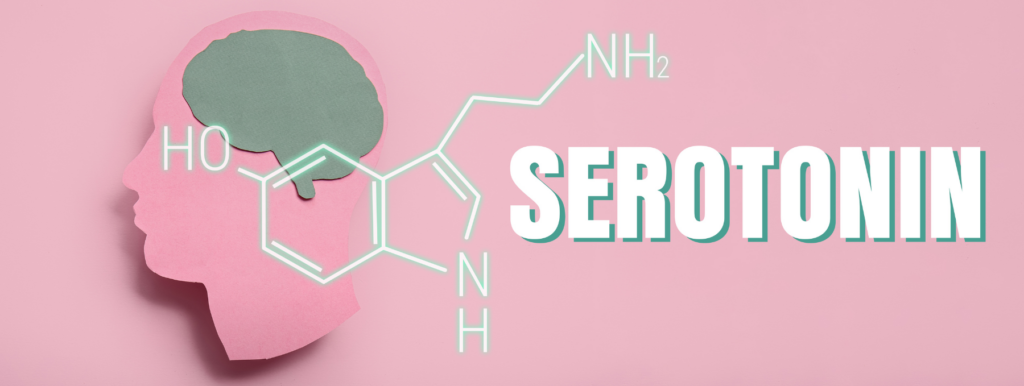
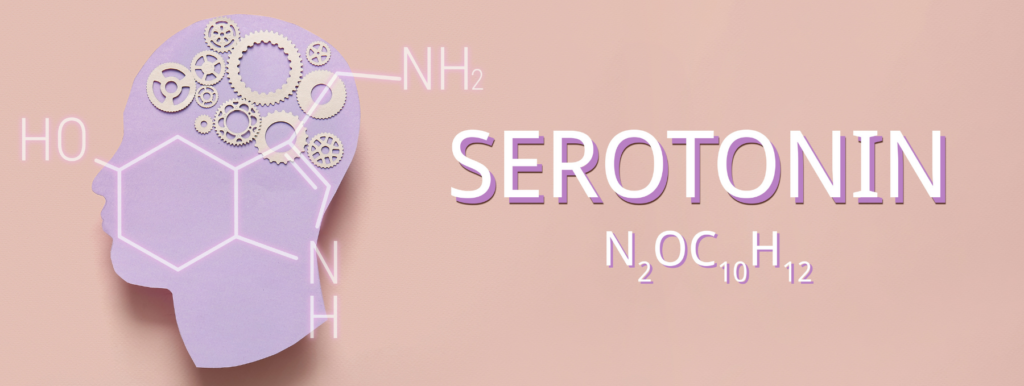
Serotonin, or 5-hydroxytryptamine (5-HT), is commonly associated with mood, sleep and appetite. But serotonin also plays an important role in pain regulation. The brain contains descending pain-modulation pathways that travel toward the spinal cord and influence how strongly incoming pain signals are transmitted. Serotonin is one of the neurotransmitters involved in these pathways.
Importantly, serotonin doesn’t simply “reduce pain.” Depending on the location and type of serotonin receptor activated, serotonergic signaling can either inhibit or facilitate pain transmission. In other words, serotonin can sometimes help turn pain down and, under different circumstances, contribute to turning it up. This is why chronic pain cannot simply be explained by having “too little serotonin.” The location of serotonin signaling, the receptor involved and the state of the nervous system all matter.
Serotonin and Chronic Pain
Chronic pain can alter the function of the body’s descending pain-control systems. In some chronic pain conditions, the balance between pain-inhibiting and pain-facilitating pathways may become disrupted. Research into neuropathic pain, for example, suggests that altered serotonergic signaling can contribute to abnormal pain processing. The problem may therefore involve not just how much serotonin is present, but how serotonin is produced, released and detected by different receptors and neural circuits. This distinction is important because serotonin doesn’t work in isolation. It interacts with other neurotransmitters, inflammatory signals and metabolic pathways.
 One of the most interesting links between inflammation, serotonin and chronic pain involves tryptophan. Tryptophan is an essential amino acid obtained from food and is required for the production of serotonin. Through this process, tryptophan is converted into 5-HTP, which is then converted into serotonin. However, serotonin is not the only destination for tryptophan. It can also enter another major metabolic pathway known as the kynurenine pathway, in which tryptophan is converted into kynurenine and then into various kynurenine metabolites.
Inflammation can influence activity in this pathway, potentially affecting how tryptophan is metabolized and how much is available for serotonin production. This matters because some kynurenine metabolites affect the nervous and immune systems. Certain metabolites can influence pathways involving glutamate and NMDA receptors, which are involved in neuronal excitability and pain sensitization. Researchers are therefore investigating whether altered tryptophan metabolism could provide a biochemical link between inflammation, neurotransmitter regulation and chronic pain. However, this remains an active area of research. Findings from laboratory and animal studies don’t automatically establish that the same mechanism causes chronic pain in humans.
Could Oxidative Stress and Serotonin Form a Feedback Loop?
One way to understand the relationship between oxidative stress, inflammation, serotonin and chronic pain is as a potential feedback loop rather than a simple chain of cause and effect. Inflammation and cellular stress can contribute to oxidative stress and mitochondrial dysfunction, which may in turn affect nerve excitability and inflammatory signaling. These changes can increase pain sensitivity and alter nervous-system and stress responses, potentially leading to further metabolic and inflammatory changes. Over time, these processes may reinforce one another and contribute to the persistence of pain.
This process does not occur in exactly the same way for everyone. Chronic pain can result from many different conditions, including nerve injury, arthritis, migraine and other disorders, and each condition may involve a different combination of biological mechanisms. Nevertheless, this model helps explain why pain can sometimes continue even after the original injury or trigger has healed.
Do Serotonin-Related Medications Help Chronic Pain?
Some medications that affect serotonin signaling are used to treat certain chronic pain conditions. For example, serotonin-norepinephrine reuptake inhibitors (SNRIs) such as duloxetine and milnacipran are used for certain forms of chronic pain. Their pain-relieving effects aren’t simply due to the fact that they improve mood. These medications alter serotonin and norepinephrine signaling in neural pathways involved in descending pain modulation.
This illustrates an important point: Treating pain isn’t necessarily about “raising serotonin.” Instead, changing neurotransmitter signaling can influence the balance of activity within neural circuits that regulate pain. Medication should always be individualized with a healthcare professional because these drugs can have side effects and interactions.
Can Antioxidants Reduce Chronic Pain?
Because oxidative stress is associated with chronic pain, it may be tempting to assume that antioxidant supplements should automatically reduce pain. The evidence isn’t that straightforward. Reactive oxygen species have normal biological functions, and more antioxidants aren’t necessarily better. High-dose supplementation can also have unintended effects.
Researchers are studying oxidative stress, mitochondrial function and antioxidant approaches as possible targets for chronic pain, but antioxidant supplements should not be considered a universal treatment. The underlying cause of pain matters. Someone with nerve damage may have a very different biological problem from someone whose pain is primarily associated with a joint disorder.
Chronic Pain as an Interconnected Network
 The relationship between oxidative stress, serotonin and chronic pain highlights a broader understanding of how pain works. Pain isn’t simply an alarm signal coming from damaged tissue. The nervous system actively processes, amplifies and suppresses pain signals. Inflammation can change nerve behavior. Cellular metabolism can influence inflammation. Neurotransmitters can alter pain pathways. Persistent pain can, in turn, influence stress and nervous-system function. These systems form an interconnected network.
Understanding that network could eventually help researchers identify different biological subtypes of chronic pain and develop more targeted treatments. Rather than looking for one universal cause of chronic pain, the future may involve identifying which combination of mechanisms is most important in each individual.
The Bigger Picture: Oxidative Stress, Serotonin and Chronic Pain
There is a growing scientific connection between oxidative stress, serotonin and chronic pain, but it isn’t a simple cause-and-effect relationship. Oxidative stress may contribute to inflammation, mitochondrial dysfunction and increased nerve sensitivity. Chronic pain can alter the nervous system’s ability to regulate pain signals. Serotonin plays an important role in pain-modulation pathways, but its effects depend on the receptor, location and biological context. Inflammation may also influence tryptophan metabolism, potentially changing the balance between the serotonin and kynurenine pathways.
Together, these findings suggest that chronic pain can involve a complex interaction between oxidative stress, inflammation, metabolism and neurotransmission. The important takeaway is that chronic pain is biological—but it is also complicated. Understanding these interconnected systems may eventually lead to more personalized approaches to treating persistent pain.