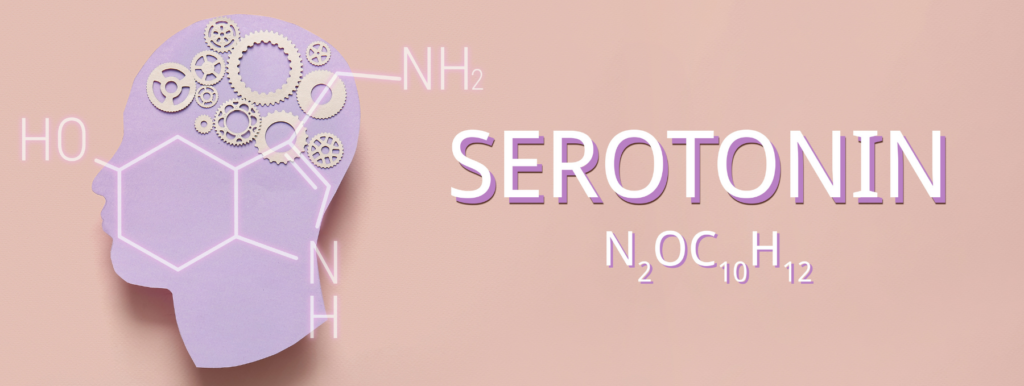

Most people know serotonin as the brain’s “feel-good” chemical because of the role it plays in mood, emotional well-being and mental health. However, serotonin does much more than influence how you feel. It also plays a critical role in regulating sleep, digestion, appetite, pain perception and even body temperature. The relationship between serotonin and body temperature is an important but often overlooked aspect of human physiology. Every day, your body works continuously to maintain a relatively stable internal temperature despite changes in weather, physical activity, illness or stress. Serotonin is one of the key neurotransmitters that helps coordinate this process by communicating with the brain’s temperature control center. Understanding how serotonin influences body temperature can also help explain why some medications affect heat tolerance, why serotonin syndrome can cause dangerously high fevers and why changes in serotonin signaling may alter how people respond to hot or cold environments.
 What Is Serotonin?
Serotonin, also known as 5-hydroxytryptamine (5-HT), is a neurotransmitter that enables nerve cells to communicate with one another. It is involved in numerous biological processes throughout the body, including:
- Mood and emotional regulation
- Sleep and circadian rhythms
- Appetite and satiety
- Digestion
- Pain perception
- Sexual function
- Memory and learning
- Body temperature regulation
Although serotonin is often associated with the brain, approximately 90–95% of the body’s serotonin is produced in the gastrointestinal tract, where it helps regulate intestinal movement. The remaining serotonin is produced in the brain and central nervous system, where it influences behavior, mood and many automatic bodily functions, including thermoregulation. Importantly, serotonin produced in the gut cannot cross the blood-brain barrier, so brain serotonin and gut serotonin perform different functions.
How the Body Regulates Temperature
Humans are homeotherms, meaning we maintain a relatively stable core body temperature regardless of changes in the external environment. This process, known as thermoregulation, is coordinated primarily by the hypothalamus, a small region near the base of the brain. Often described as the body’s internal thermostat, the hypothalamus constantly receives information from temperature-sensitive nerve receptors located throughout the skin, spinal cord and internal organs. Based on these signals, the hypothalamus determines whether the body needs to conserve heat or dissipate it.
When body temperature rises, the hypothalamus activates cooling mechanisms such as sweating and widening blood vessels near the skin’s surface to release excess heat. When body temperature falls, it initiates warming responses such as shivering, narrowing blood vessels and increasing metabolic heat production. Serotonin helps regulate many of these responses by influencing communication within the hypothalamus.
How Serotonin Helps Regulate Body Temperature
The connection between serotonin and body temperature centers on its effects within the hypothalamus, the brain’s primary temperature control center. Neurons that produce serotonin send signals to areas of the hypothalamus involved in temperature regulation. These signals help establish the body’s temperature “set point” and coordinate responses that keep internal temperature within a healthy range.
Serotonin plays a role in regulating several key thermoregulatory functions, including sweating during heat exposure, the dilation and constriction of blood vessels, shivering during cold exposure and balancing heat production with heat loss. It also helps integrate body temperature regulation with sleep and circadian rhythms. Rather than directly raising or lowering body temperature, serotonin fine-tunes the nervous system’s responses to changing internal and external conditions, allowing the body to maintain a stable internal environment.
Serotonin Receptors and Thermoregulation
Serotonin exerts its effects by binding to specialized proteins known as serotonin receptors. Scientists have identified more than a dozen receptor subtypes, each of which produces different physiological effects depending on where it is located in the body. Several of these receptors play a role in regulating body temperature. For example, 5-HT1A receptors can help lower body temperature under certain conditions, 5-HT2A receptors are involved in heat production and are particularly important in serotonin syndrome and 5-HT2C receptors contribute to the regulation of metabolism, appetite and body temperature.
Because different serotonin receptors can produce opposing effects, changes in serotonin activity do not always result in the same temperature response. Instead, the body’s reaction depends on which receptors are activated, where they are located and the degree to which they are stimulated. This complexity also helps explain why medications that affect serotonin can influence body temperature differently from one person to another.
Serotonin and Sweating
Sweating is one of the body’s most effective cooling mechanisms. When core temperature rises, the hypothalamus signals sweat glands to produce perspiration. As sweat evaporates from the skin, it removes heat from the body. Serotonin helps coordinate the brain signals that activate sweating. Changes in serotonin activity may therefore influence how easily someone begins to sweat or how effectively the body cools itself. Some medications that alter serotonin signaling list increased sweating as a common side effect. Although this can be uncomfortable, it often reflects serotonin’s normal involvement in temperature regulation rather than an underlying health concern.
 Serotonin, Blood Flow and Heat Loss
Another important way the body controls temperature is by adjusting blood flow near the skin. During hot weather or exercise, blood vessels close to the skin widen through a process called vasodilation. This allows more heat to escape into the surrounding air. During cold exposure, blood vessels narrow in a process called vasoconstriction, reducing heat loss and helping preserve core body temperature. Serotonin interacts with the nervous system pathways that regulate blood vessel tone, helping coordinate these responses as part of the body’s overall thermoregulatory system.
Sleep, Circadian Rhythms and Temperature
One reason serotonin is especially important for body temperature regulation is its close relationship with sleep. Core body temperature naturally fluctuates over a 24-hour period. It typically decreases during the evening to promote sleep and gradually rises before waking. Serotonin contributes to regulating circadian rhythms and serves as the biochemical precursor for melatonin, the hormone that helps control the sleep-wake cycle. Because sleep and body temperature are closely linked, disruptions in serotonin signaling may indirectly affect both processes.
Exercise and Heat Production
Physical activity generates substantial amounts of heat as muscles convert chemical energy into movement. During exercise, serotonin helps coordinate several physiological adjustments that prevent excessive overheating, including increased sweating, greater blood flow to the skin, cardiovascular adjustments and behavioral responses, such as reducing activity when overheating occurs. These coordinated responses help maintain a safe core temperature even during strenuous physical activity.
When Serotonin Regulation Goes Wrong
Although serotonin normally supports healthy temperature regulation, excessive serotonin activity can become dangerous. The best-known example is serotonin syndrome, a rare but potentially life-threatening condition caused by excessive serotonin signaling in the nervous system. It most often occurs when multiple medications or supplements that increase serotonin are taken together, such as selective serotonin reuptake inhibitors (SSRIs), serotonin-norepinephrine reuptake inhibitors (SNRIs), monoamine oxidase inhibitors (MAOIs), certain migraine medications called triptans, some opioid medications, St. John’s wort or supplements containing 5-hydroxytryptophan (5-HTP) or tryptophan.
Symptoms can range from mild to severe and may include high fever, excessive sweating, a rapid heart rate, muscle rigidity, tremors, dilated pupils and agitation or confusion. Because serotonin syndrome can cause dangerously elevated body temperatures and potentially lead to organ damage, severe cases require immediate medical attention. Fortunately, serotonin syndrome is uncommon and is typically associated with medication interactions or overdoses rather than the routine use of a single prescribed antidepressant.
Can Low Serotonin Affect Body Temperature?
Researchers continue to study whether serotonin deficit alters body temperature regulation. Some evidence suggests that lower serotonin signaling may influence the body’s ability to adapt efficiently to hot or cold environments. It may also contribute to changes in heat perception, altered sweating patterns or differences in thermoregulatory responses.
However, body temperature is regulated by many overlapping systems, making it difficult to attribute changes solely to serotonin. Hormones, cardiovascular function, hydration, environmental conditions, age, illness and medications all influence thermoregulation.
Supporting Healthy Serotonin Function
While no single food or supplement can dramatically increase brain serotonin levels, several healthy lifestyle habits support normal serotonin function and may contribute to healthy temperature regulation. These include eating a balanced diet that provides adequate protein, consuming foods rich in tryptophan  such as poultry, eggs, dairy products, legumes, nuts, and seeds, exercising regularly, getting sufficient sleep, managing chronic stress and spending time outdoors during daylight hours to help maintain healthy circadian rhythms.
Some people also use tryptophan or 5-hydroxytryptophan (5-HTP) supplements because 5-HTP serves as a precursor for serotonin production. However, these supplements are not appropriate for everyone and should not be combined with serotonin-enhancing medications unless recommended by a healthcare provider because doing so can increase the risk of serotonin syndrome.
Understanding the Connection Between Serotonin and Body Temperature
Serotonin is far more than a neurotransmitter involved in mood—it also plays an essential role in regulating body temperature. By helping the hypothalamus coordinate sweating, blood flow, shivering and other thermoregulatory responses, serotonin helps maintain a stable internal environment. Although it is an important part of the body’s temperature control system, serotonin works alongside many other hormones, nerves and organs to keep body temperature within a healthy range. Disruptions in serotonin signaling can affect heat tolerance and, in rare cases such as serotonin syndrome, contribute to dangerously high body temperatures. Understanding the connection between serotonin and body temperature highlights the many vital roles this versatile neurotransmitter plays in maintaining overall health and balance.